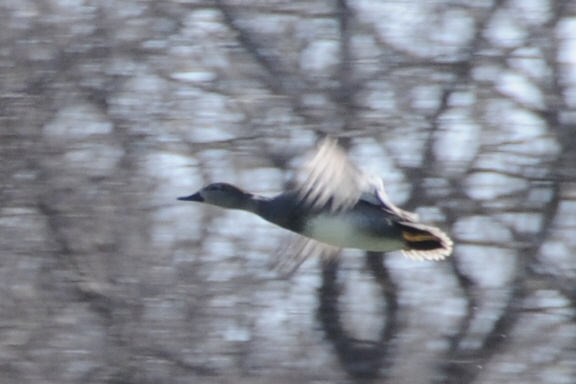
Typing duck in flight

Since so much of our ranch is a Texas Cross Timbers habitat with one large pond, I find ducks most interesting since they have uncommon presence and seasonally come and go.  I do not know with graceful skill the typing of these water creatures.  I tentatively identify the duck below as Canvasback (Aythya valisineria).  Peterson’s Field Guide to Western Birds states, “A very white-looking duck with a rusty-red head and neck, black breast, long blackish bill.”  I am not sure and will correct my identification if anyone can discern factors I have missed.  In any case, here is what I regard as a Canvasback.  Please let me know in the comment section of this post or e-mail me at matthewsranch@msn.com or tweet @sage2m if you have an opinion.  Thanks for your help and assistance.

March 17, 2011, 1:00 p.m., CDT.  Wild Bill of Wild Ramblings blog has opined it may be a redhead duck.  The short bill of this duck indicates something other than a Canvasback.

Tentatively a Canvasback.

11 Comments

Filed under Canvasback, Ducks

No more rodeo


Texas Cowboy Reunion rodeo opening scene.

Received news today after doctor’s examination that I had an acute (severe) irritation of the cartilage in my left knee caused by arthritis.  No surgery is planned, nor  M.R.I.  The warning signs of the knee giving way, freezing up or ballooning the size of a grapefruit will necessitate further action, but for now, no more running or rodeo.

Not that I ever got caught up in rodeo.  The last one I participated in was back in 1958 when Brian Bettis and I scrambled for calves at the Comanche County Rodeo.  We came in second, bruised and somewhat bloody by the calf.  Calf won, we lost.  Since then, I’ve always worked cattle using a squeeze chute.  The simplest squeeze chute is to block both ends of the chute with heavy timber.  The cattle I handled were not abused and came to be accustomed to the chute to the point they stood calm while I doctored or vaccinated.  I will continue to work cattle with the chute since it doesn’t require heavy labor, just patience.

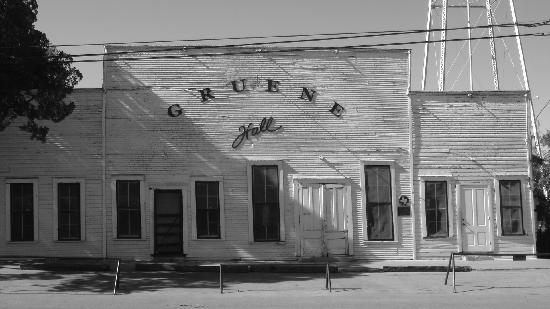
In any case, Sawbones said that I could not run or sprint again and that I would have to wait awhile to go back to the dance hall.  I love to dance.  I hear fiddle music and I am carried away.  But I have to wait awhile.

Gruene dance hall, oldest in Texas.

Further, the Doc said I needed to get some riding shoes or boots with soft soles.  After leaving his office, we went to Cavenders and I bought some Ariats with soft soles.  I wore them out of the dry goods store and they feel really good.

The cane?  Well, yes, I bought a cheapie at Walgreens and will use it for infrequent occasions.  My first use of it was to poke Brenda in the backside.  She did not appreciate that.

It is a bench mark to be told that “the running days are over.”  I ran occasionally in the pastures for exercise, but it was never a habit pattern.  Still, it’s a solemn note on the music score today.  Yet, I hear music and it’s a band with fiddle and guitar.  Come on, Brenda, let’s waltz across the floor!  You’re not a widow yet.

10 Comments

Filed under Dancing

Sandhills, Lilly and clumsy me

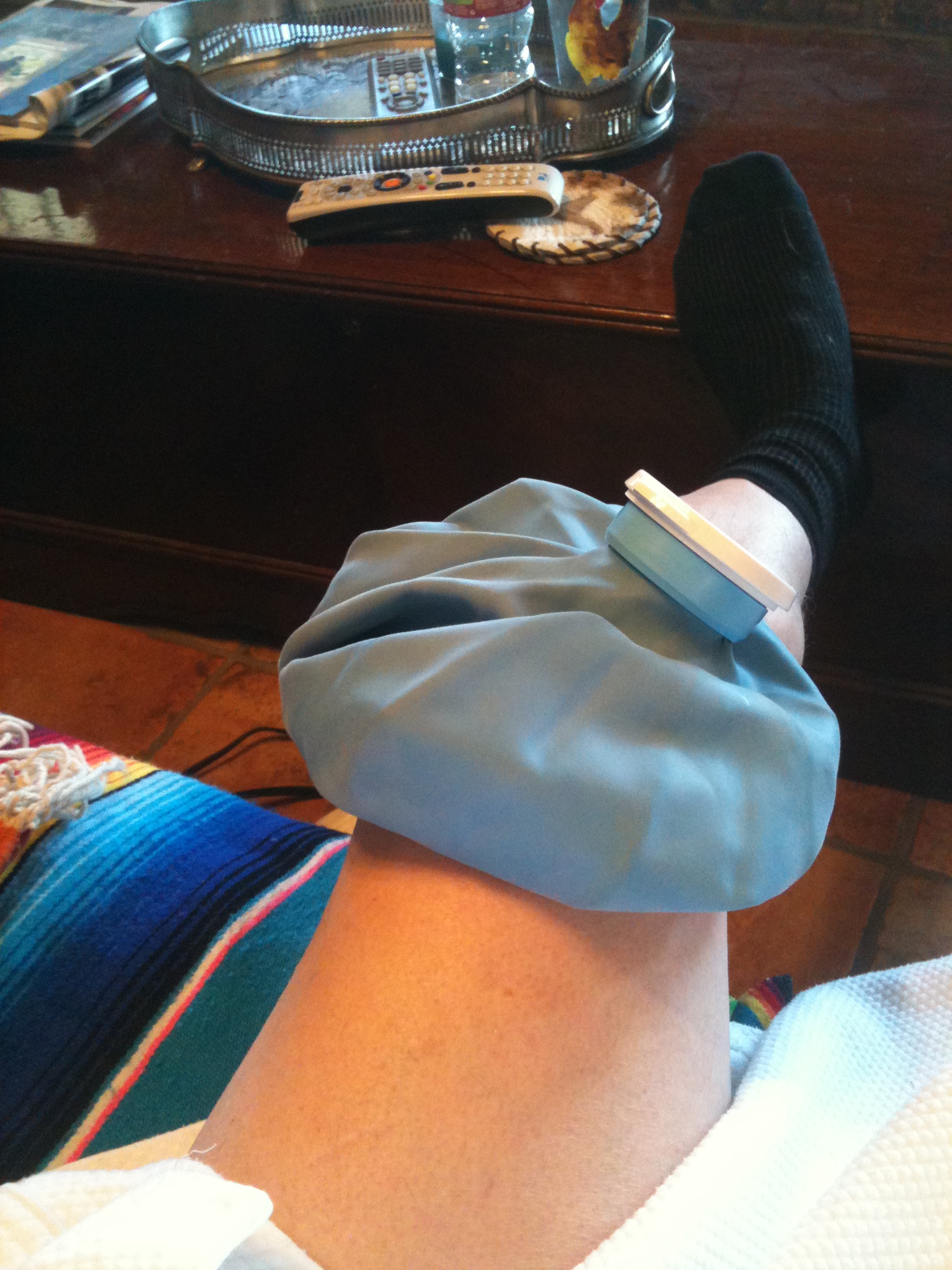
Left knee with icebag

Given the fact it’s a Saturday and most people want a calm and relaxing — well, maybe some activity — after a hectic week, the last thing a person needs to see is a knee with icebag.   My apologies, readers, but here it is or rather up there is the knee.

I was chasing Sandhill cranes most of the day to photograph them.  It was Wednesday and I divided my time between working on Blackboard (I teach five online classes of history) and going into the field of 53 acres of Flying Hat Ranch (FHR).  As my posts indicate from Wednesday, I was hearing but not seeing the elusive, high-flying bird.  It was a good day and I got work done, issues resolved on Blackboard and shot a number of photos for fieldwork.

I found and marked with an engineer’s flag several lithic tools in the field.  But every time! I heard the Sandhills, the camera was either in the truck or at the house.  Besides, until late afternoon, I didn’t see any.

Brenda comes home from work and I am walking back to the ranch house from the barn and I hear the Sandhills and look above me and what to my wondering eyes should appear but about 300 Sandhills, in at least two V-formations.  Beautiful and they were calling.

So, I broke into a sprint.  On my first or second spring up the lane, something popped or snapped in my leg.  I skipped, not sprinted, to the house and got the camera, but the cranes had their throttles to the wall and I missed the shots with the camera.  But I did see them.

My leg hurt and in the middle of the night, at two o’clock, I woke up in pain and by Thursday morning, I could barely walk.  I went to Fort Worth to the clinic and they sent me to Harris Methodist hospital for x-rays.  The P.A. told me I might be looking at an orthopedic surgeon!  Or rather, he would be looking at me with a scalpel in hand.

As it turned out, Friday I learned (after icebags and pain pills) that nothing was broken or torn, but it was arthritis!  Good news?  Bad news?  How in the dickens can arthritis bring me down to jumping on one leg from bed to bathroom, for crying out loud?  I don’t know, but next Wednesday I have an appointment with my Primary Physician for a yearly checkup and in addition to him invading my body cavity without mercy, he will enlighten me on the knee.

Brenda is taking care of the dogs and Star.  I’m looking at walking canes on the web.  Ever Google “canes”?  Well, live long enough, you will.  There are all sorts of canes.  Canes that fold, canes that have stupid heads on them, curved canes, canes with swords and even canes with risque girls painted along the stem and nose (there’s a whole glossary of cane nomenclature).  I’ve not picked my cane.  I have some nice looking cedar staves down along the barn I may craft upon and develop an Etsy Shop for homemade canes.

Lilly, the good old girl that we had to put down in January, had osteoarthritis too, and in the left knee really bad.  But, you know what?  She got up with a struggle and ate and walked and even pranced in the snow despite her knee.  She’s taught me a lesson about arthritis among many I’ll eventually churn out on Sage to Meadow.  I’m up and I’ll be in class Tuesday.  Star will be fed — I’ll do it slowly.  I’ll continue to contemplate canes.  If my knee continues to be painful, I’ll have to hire a person to do some seasonal work.  I’ll do a jig in the snow.

Frankly, if I had to hurt myself, I’m glad I was chasing Sandhills rather than tripping over the cat.  And, if I had to learn a lesson about dealing with the pain, who better to be my teacher than Lilly?  When the student is ready, the teacher will appear.  She did and doesn’t even know it.

Enough of this!  Now, where’s that pain killer I used to give Lilly?  Oh, yes, it’s in the tack room next to the saddles.

38 Comments

Filed under Adventure, Lilly, Sandhill Crane

Seen, heard, but not photographed

I heard the Sandhill, but did not photograph. But they were 2,000 feet above me. Got the camera, but they were pushed by the wind so fast. I estimate 80+ mph. Now I stand in the lane, sun setting, I hear, but do not see.

14 Comments

Filed under Bluestem Field Log (Live)

Sandhill Crane heard

I’ve heard several Sandhill in the sky above me right now. I cannot see them, but I hear their gentle calls up in the sky. It’s 70 degrees and pleasantly warm. Mail has come and I fired up the F-250 so its cylinders can warm. Star has come running up to the front pasture. Hawks cry in the sky.

8 Comments

Filed under Bluestem Field Log (Live)

Little bluestem with iPhone

On February 26, Saturday last, when in the field, I applied the iPhone to take photographs and upload for a field test: short bursts of field notes and photographs as I surveyed 53 acres of Cross Timbers prairie, creek and woodland. I attempted to snap a photograph and upload it with commentary as I went about my survey. While in the field, miles from cell towers, I was unable to coordinate photos and commentary. In addition, the “thumbing” of data on the iPhone was too slow. I was absorbing data much, much faster than I could thumb the phone. I did send a few in-the-field updates onto my blog, but later trashed them. I composed a long post with photographs taken with the Nikon when I got back to the ranch office.  In the field I did not think the photographs had been uploaded.

Today, however, as I was going through the media library on Sage to Meadow blog, I discovered that the photographs with the iPhone had been uploaded! I uploaded one photograph twice, thinking it had not been uploaded the first time. And, here it is, Little bluestem grass that is coming back on the prairie.

Little bluestem grass, Pecan Tree Pasture, Flying Hat Ranch, Texas, February 2011.

I think the utility of the iPhone in field work is evolving.  It is portable and lighter than a camera.  Composing commentary can exceed 140 characters.  It’s not going to replace the steno pad and camera, but it may have some further use.  I like the idea of field work live, or with a minimum of time lapse, as a light and useful activity.

3 Comments

Filed under Bluestem Field Log, Plants and Shrubs

High grass in the pasture 1:46 pm

Big bluestem (Andropogon gerardii), Flying Hat Ranch, Texas, February 2011.

[February 27, 2011, added comment.  In my field work, the constant tools (carried in pockets or small rucksack) are stenographer’s pad, pens, tape measure, compass, topographical map and watch.  Close by in the pickup are engineering graph tablets, colored flags, binoculars and camera.  The camera is ofttimes carried around the neck.  I have also been using a GPS lately.  I’ve not used a laptop in the field, but I can see its utility with uploaded topo maps and data entry.  The iPhone may have some applications in field work, but the fundamental tools are steno pad, topo map, compass and tape measure.]

The experiment with in-the-field short note taking has come to an end.  I am back up at the ranch office and am writing on the desktop, not the iPhone.

The use of the iPhone in the field for short bursts of updates works, but the photographic uploads into my blog via iPhone did not work.  Part of the problem is that our ranch is way out in the brush and our cell towers are at Bluff Dale and Morgan Mill, Texas, miles and miles away.  For any extended commentary, a laptop with a wireless connection is much preferable to the iPhone although I will try the iPhone mode again.

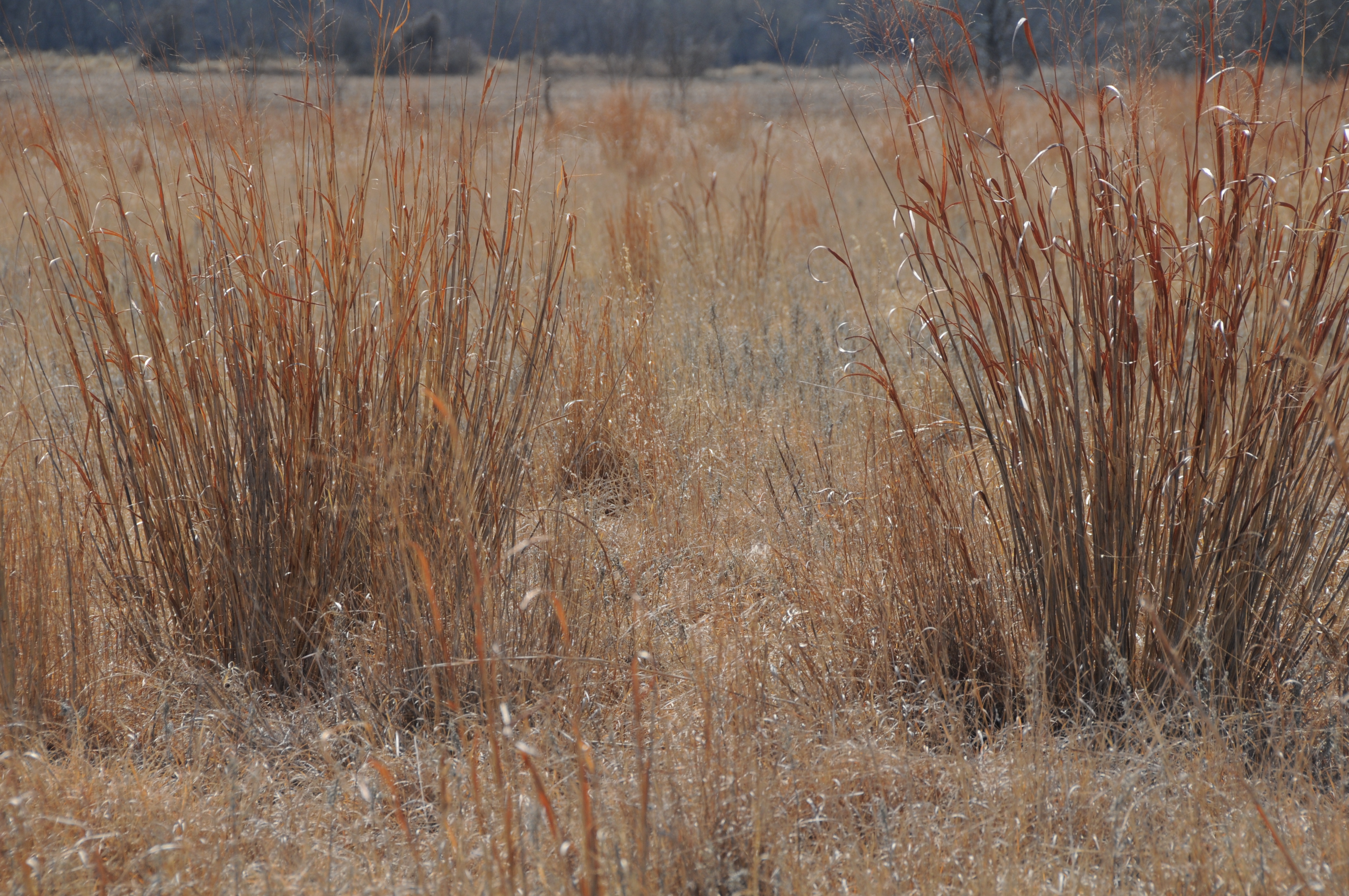
While in the field today I kept a written journal and took photographs with another camera.  I am posting the photographs of high grass in the pasture.  The Big bluestem is “big,” reaching six-feet tall.  The Little bluestem is about three-feet tall.  For now, enjoy the field photographs.


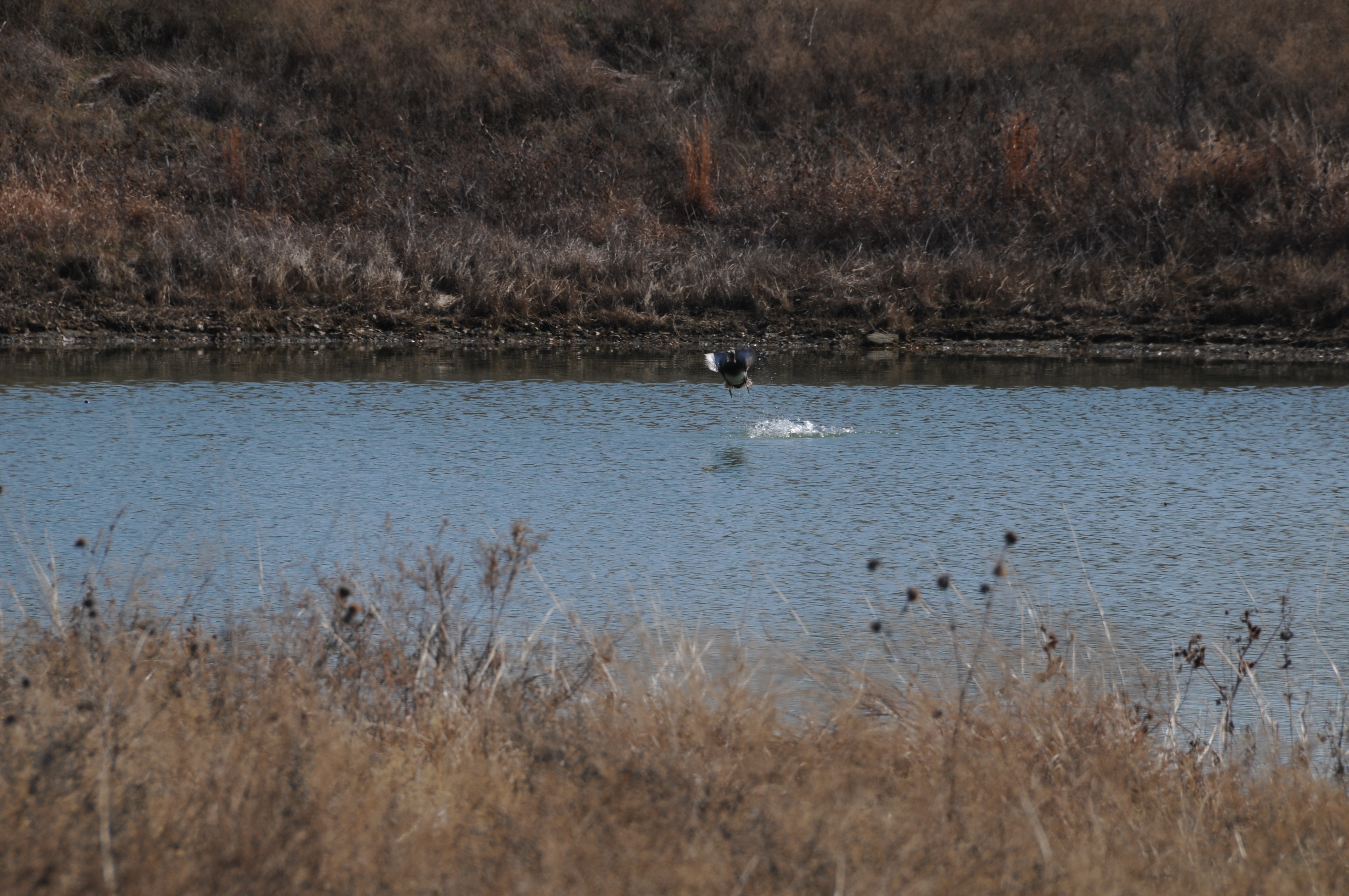
Unidentified duck taking flight from the stock pond.

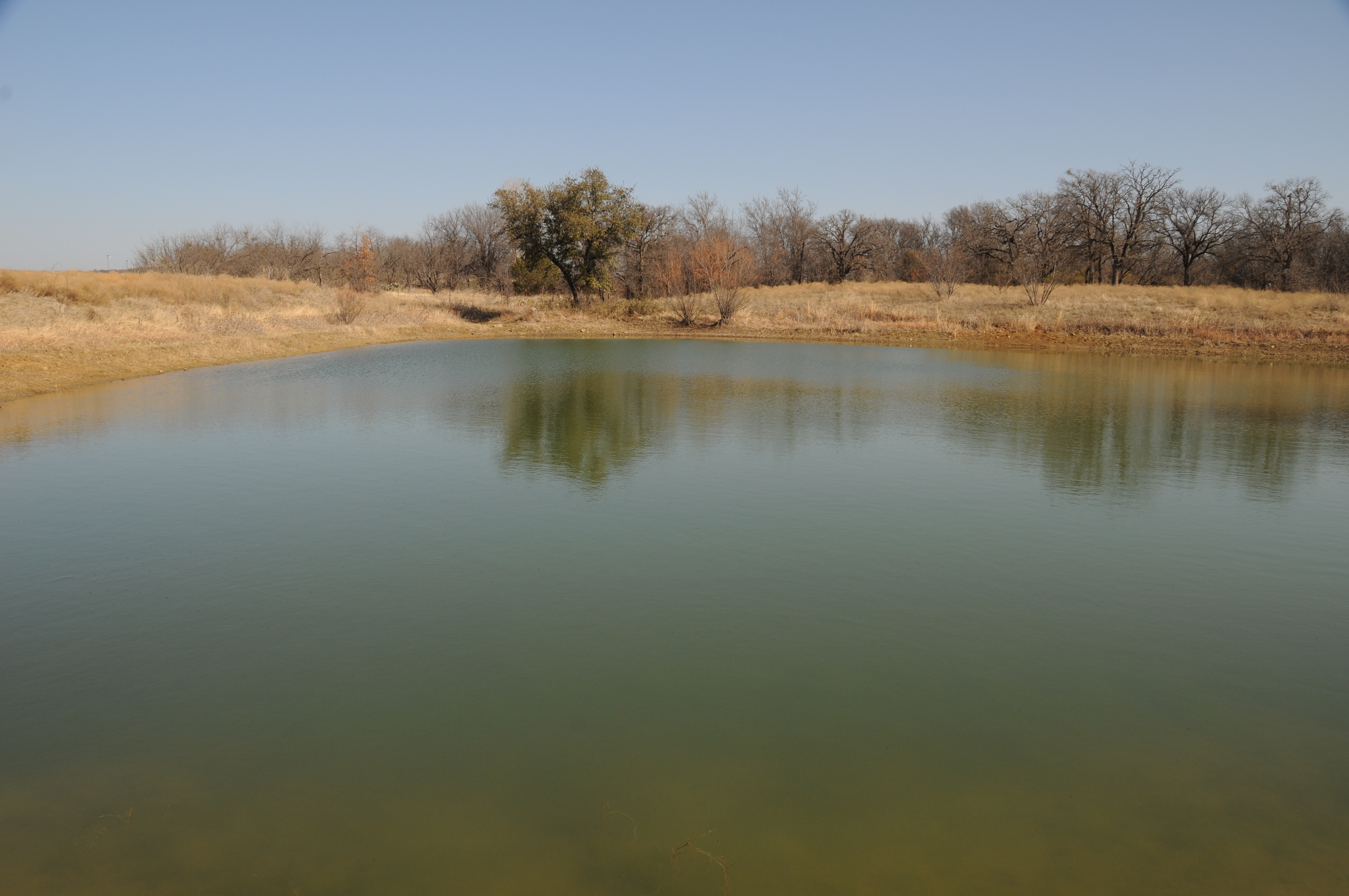
Still waters on the stock pond, ducks have taken flight to Blue's pond to the north.

A typical Cross Timbers life zone that has been harvested and cut for several generations. The tree grove is rebuilding itself.

Big bluestem, Flying Hat Ranch, Texas, February 2011.

15 Comments

Filed under Bluestem Field Log (Live)

Kiowa wind, grass, colors

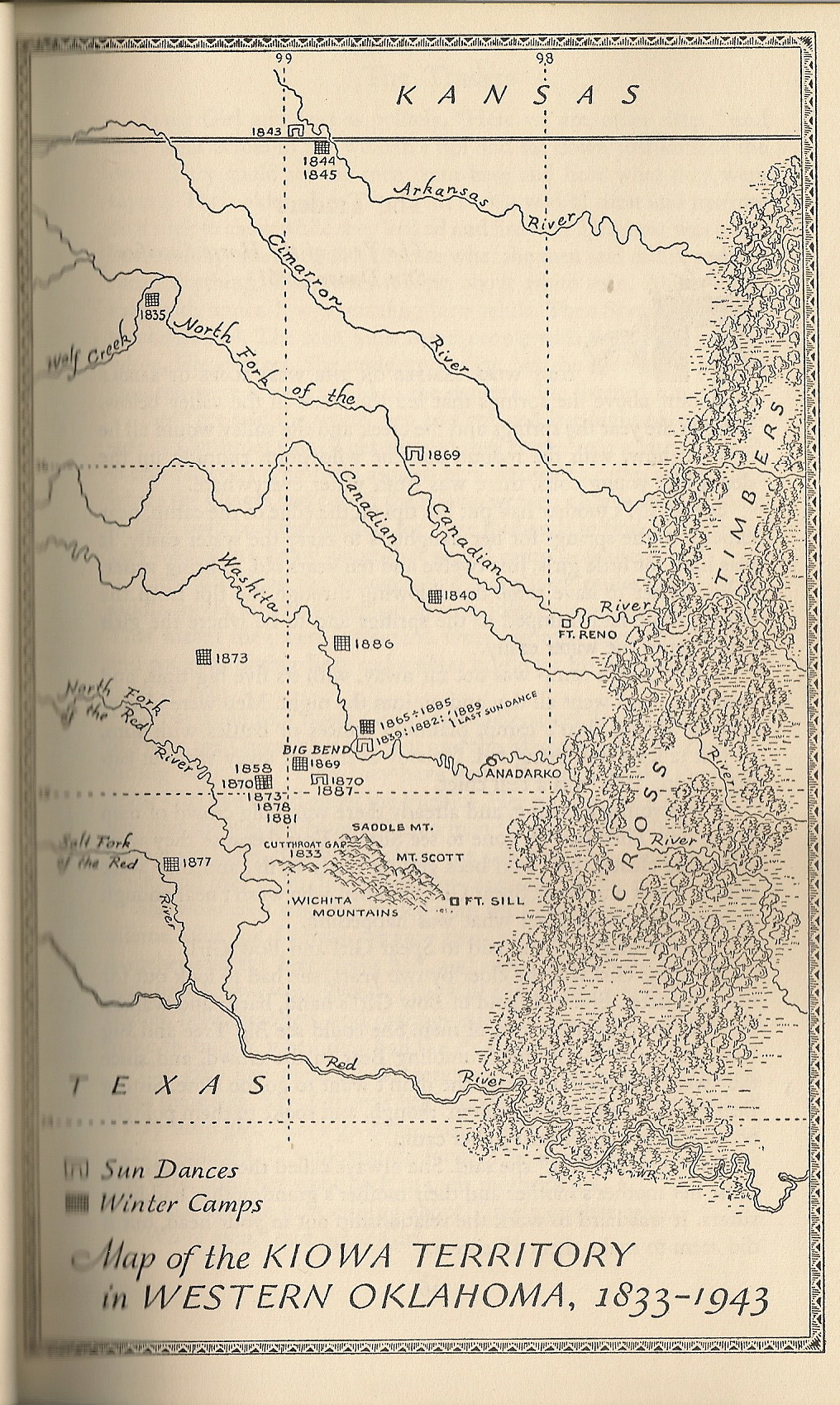
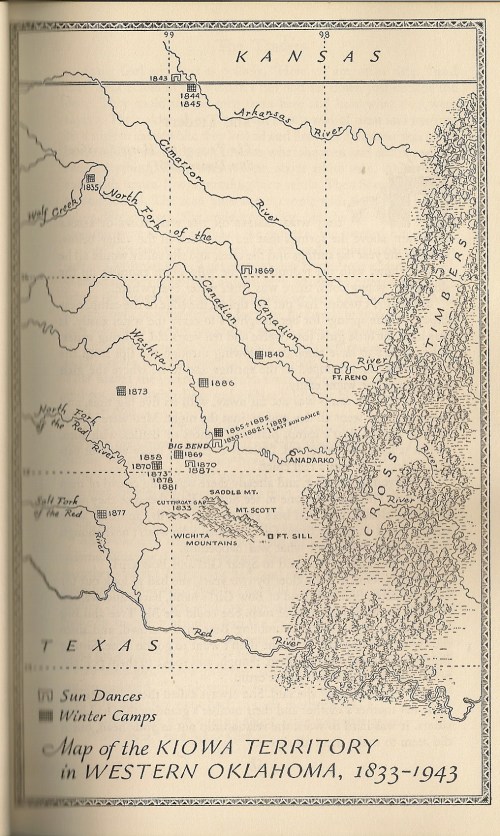
Map of the Kiowa Territory in Western Oklahoma, 1833-1843, from Alice Marriott, The Ten Grandmothers, p. 15.

In 1944, Alice Marriott in her book, The Ten Grandmothers, recorded Kiowa Spear Woman’s narrative of the motion and color changes of prairie grasses.  The “Ten Grandmothers” are ten Kiowa medicine bundles.  The bundles still exist, but they have not been opened since the 1890s when the last person who had the right to see the contents died.

For Leah the south porch of the big house was the best part of home.  Here you could sit and watch sunrise or sunset; watch the shapes of the earth change and move as the sun moved.  Then you knew, when you sat out there, that the earth was alive itself.

Spear Woman sat beside her granddaughter and thought that the earth had gone dead.  Lights played and moved, and cloud shadows came and went, but the earth itself had somehow died.  It was all one color now; not like the old days when its shades really changed and flickered like flames under the wind.  She stirred and sighed and spoke.

When the buffalo moved across it, there were other colors and other lights.

The thought was near enough Leah’s own to startle her.  There are lots of colors there now.

Her father spoke behind them.  Not like there used to be.  In the days that even I remember, there was one color when the wind was from the north and another when it was from the south, one from the east and another from the west.  Now the grass is all one color on every side, and it doesn’t change with the wind.

Sometimes the colors change.  Down near Lawton there is a prairie where the grass takes different colors.

* * *

[Spear Woman insists they travel to Lawton (Fort Sill, Oklahoma), fifty miles away.]

She brought her best Pendleton blanket from the trunk and spread it over the seat.  She put on her very best clothes and painted her face….

Two lines of high, tight fence spread across the prairie from a gate, and Spear Woman sat stiff, suddenly.  What is that!  That is grass like the old days.  Real grass.  All different colors.

It was, too.  It was like changeable silk, the kind the Delawares used to trim their blankets.  Yellow as the wind struck it; rose-color as it died away; then a sort of in-between color, with patterns that moved like patterns in silk when you folded it….

Shade was not even in sight, and when they had driven through the gates, with the lines of the fence on either hand, it was still not easy to find.  Spear Woman didn’t care.  She sat and watched the grass turn over in the sun, flickering and bending and straightening like little campfire flames, and was happy.  It was the old kind of grass, the old, rippling, running prairies, even if there were fences.  She was glad her eyes were dim, because she didn’t always see the fences, and could forget about them.  It was all peaceful and alive again.

From Alice Marriott, The Ten Grandmothers, pp. 285-288.

* * *

When I was a boy, my grandmother drove between Brownwood and Bend, Texas, near San Saba to visit relatives.  I watched fields of grass sway in the wind on either side of the road, a narrow two-lane highway.  She would point out to me where she and her family had camped and where she had seen buckboard wagons ascend a hill along the creek, the hubs carving their initials along the cliffs.  I saw them and put my hands in wagon-hub grooves when we stopped to rest.  The prairie wind flowed over the grass, moving stems and leaves in a rhythm, a wave of motion like water I saw in Corpus Christi Bay.

* * *

Last year I planted six acres of native grasses in the Pecan Tree Pasture.  The grasses are native to the Cross Timbers of Oklahoma where Spear Woman found peace again, and the grasses are native to our ranch that is also designated as Cross Timbers.  The grasses in our pastures grow waist-high, chest-high in some areas, and when the prevailing wind, a southwest flow from Mexico, crosses the pastures, grasses move and bend and change color.  As I go up the road towards Huckabay, Texas, about six miles away, I always notice a very old stand of Bluestem that turns reddish-brown in the Fall and Winter, but becomes blue and green in the Spring.  The stand of Bluestem is only an acre in size and machines have not touched it in many years for it is on the side of a hill.  It is old, that family, and I care for it.  If I could move that acre of old Bluestem to my ranch, I would.  I can’t.  But I have planted its relatives in the Pecan Tree Pasture and there I shall attend to their health and growth.

______________________________

Notes:

The citation is: Alice Marriott, The Ten Grandmothers, Norman: University of Oklahoma Press, 1945.  I have the fourth printing, October, 1951.  In the excerpt, I have omitted quotation marks and substituted italics for the spoken words.

Lawton, Oklahoma, is also the home of Fort Sill, Oklahoma, that is seen in the map above.  If you click on the map, then enlarge it with your computer, you can see more clearly the locations of encampments and the Sun Dance locations.  The Cross Timbers designation flows all the way down into Texas and includes our ranch, Flying Hat Ranch, Mingus, Texas.

12 Comments

Filed under Flying Hat Ranch, Life in Balance, Life Out of Balance, Nature Quote of the Day

Lilly’s Mound: early Winter morning


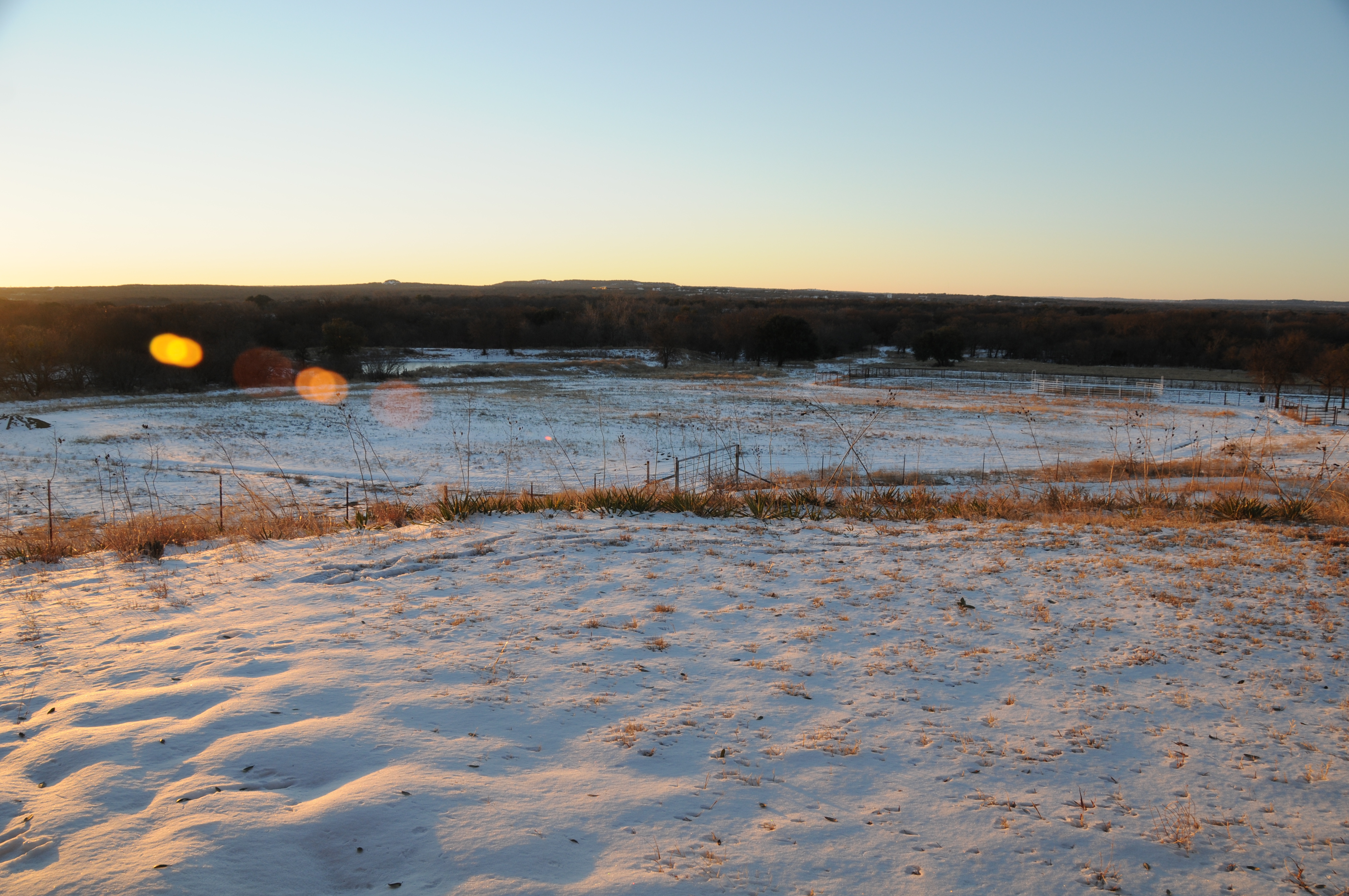
Lilly's Mound in an early Winter morning at Flying Hat Ranch, Texas, 2011 (click to enlarge)

In the far background are the Twin Mountains of north Erath County, Texas, 1,400 feet. Ducks swim and feed upon and beneath the pond in the middle of the photograph even in this cold weather.  The gate opens into the arena pasture.  The small mound with cedar posts upon it, to the far, far left in the photograph (you may have to enlarge), is Lilly’s Mound, 1,065 feet.  The mound is small and does not stand out in the photograph — in fact, hardly noticeable — , but it is a meaningful part of this good earth to me and Brenda and Star.

21 Comments

Filed under Cedar, Flying Hat Ranch, Horses, Juniper, Lilly, Star

New Mexico natural gas emergency

Here is a link with news about the natural gas emergency in Taos and Espanola, New Mexico.  The blog also has a list of the most recent articles and news concerning the Arctic blast in New Mexico.  If you use Twitter, @streamtaos is tweeting up-to-date items.

What’s The Word ?: Martinez dispatches more guardsmen to assist gas company.

19 Comments

Filed under Life Out of Balance