Restoration

This is how you restore the environment.  Begin with the plot of land in front of you. Be the steward with the grass and animals in front of you. Take care of the water in front of you. I write of sagebrush in California, grouse in Colorado and the fir in Washington — magnificent places. And, I will continue to do so, but the 53 acres upon which I reside in North Erath County, Texas, is my first responsibility. From what I learn and observe here, I can extrapolate to other communities and families of living things, beyond Texas.  You may, as a reader, trust my observations — and corroborate — my conclusions if I write of prickly pear and sagebrush that I live with everyday, like a brother or sister, those plants. I encourage you to be the steward to the plot or the trellis of climbing vines in front of you. It’s right there, within your care.  Please read on and don’t forget the list of restorative goals for Flying Hat Ranchito.  Through the cycle of seasons, I will write about attaining or failing the objectives.  Yes, it is an imperfect world, but some ways of behaving are less imperfect than others.
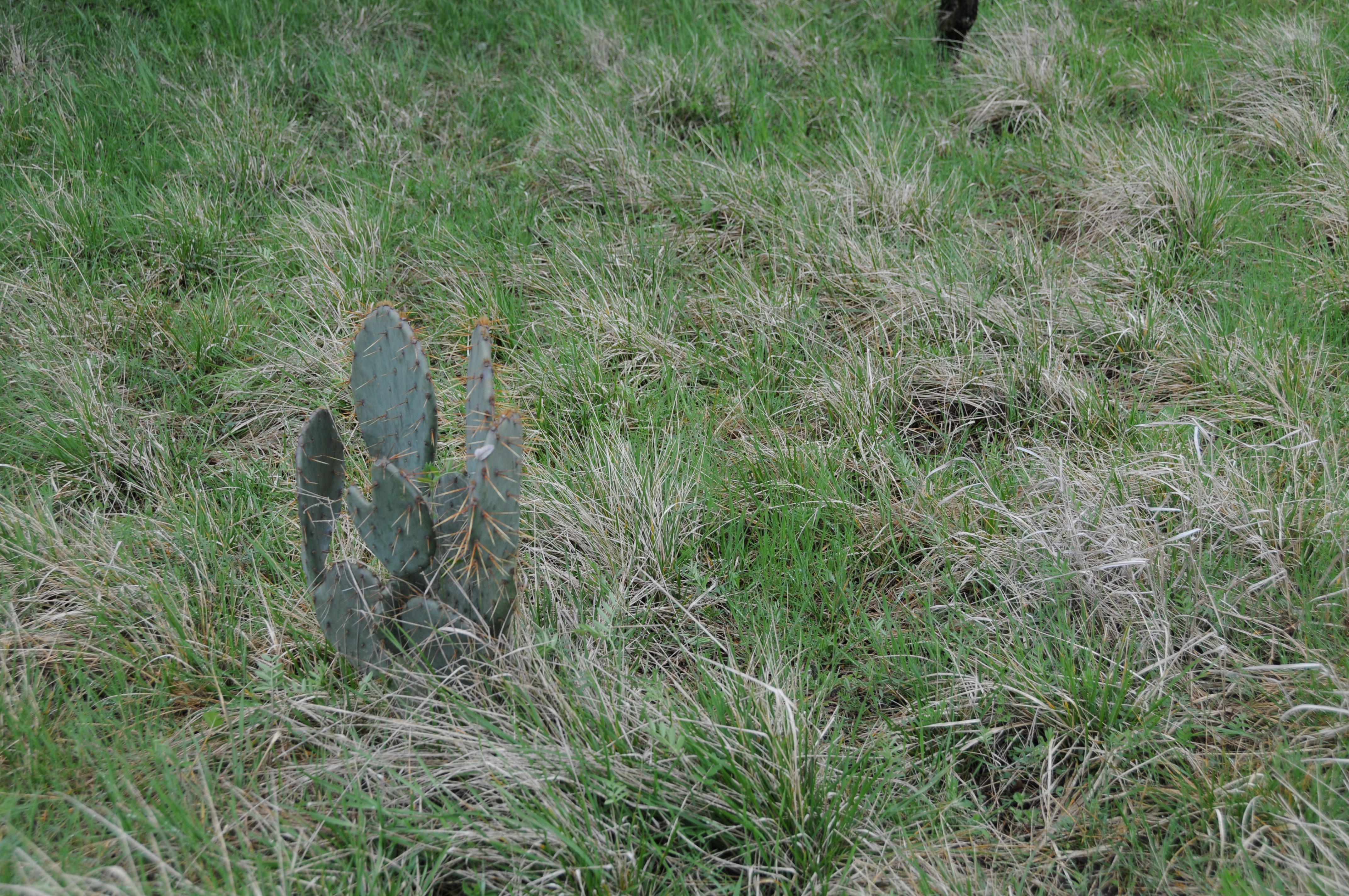
Buffalograss (Buchloe dactyloides) with Prickly Pear (Genus Opuntia, species untyped), March 20, 2010 (click to enlarge)

What I seek to accomplish in Sage to Meadow blog is to write about nature, wild and domesticated living things, people that live with the land and the constant cycles of the seasons that envelop our lives. It is not all pleasant, this nature writing, because life is abundant and green one season, gone and brown the next.  Today is the first day of spring in North America and other northern latitudes. We now evolve into abundance and the green, but not so far removed from winter, it seems, as the season this year seemed unusually long and cold — and we’re not completely through with winter as snow dust falls here at the ranch.

Vetch Without Blossom, Poprock Pasture (Vicia orobus), March 20, 2010 (vetch is the frond-looking plant, click to enlarge)

Predictably, the cycle into spring yields abundance for our consumption:  De Leon peaches in July for our nutrition, Gulf of Mexico warm wind for face and neck, Texas bluebonnet for the eye, the peeps of newly-hatched sparrow chicks and the scent of fresh vetch in field.  Polymorphously, we are plunged into nature.  Like it or not, we are here.  Yet, to every description I present, another can be stated to counter:  mosquitoes, allergies, April the cruelest month, and so on — come the spring.  So true:  ant and butterfly in our midst, pain and beauty within a day’s toil.
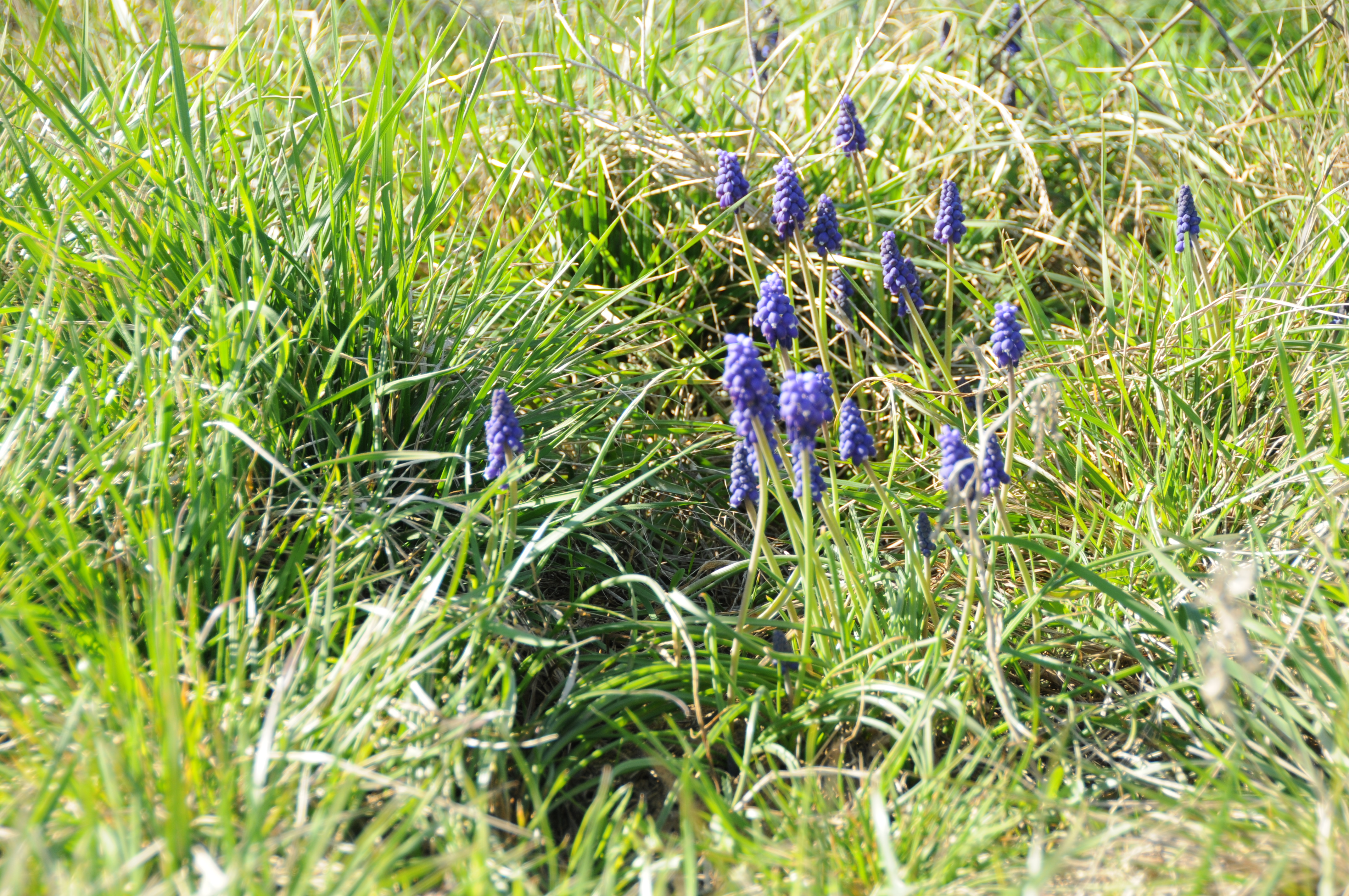
Grape Hyacinth on County Road, Front of Ranch House, March 19, 2010 (click to enlarge)

For the moment, however, this first day of spring, I want to mark the restoration of nature — oh, it’s not ever been that far away — with respect:  respect that The-Incomprehensible-Spirit-That-Moves-In-All-Things still animates the world despite corporate and individual behaviors that injure and destroy.  I include nothing mystical nor religious in using the word, “Spirit,” but rather I intend to refer to a force, an urging in nature and physical forces we encounter and do not completely understand.  I do not want to lose what we have, incomprehensible or not.  I seek restoration and preservation.
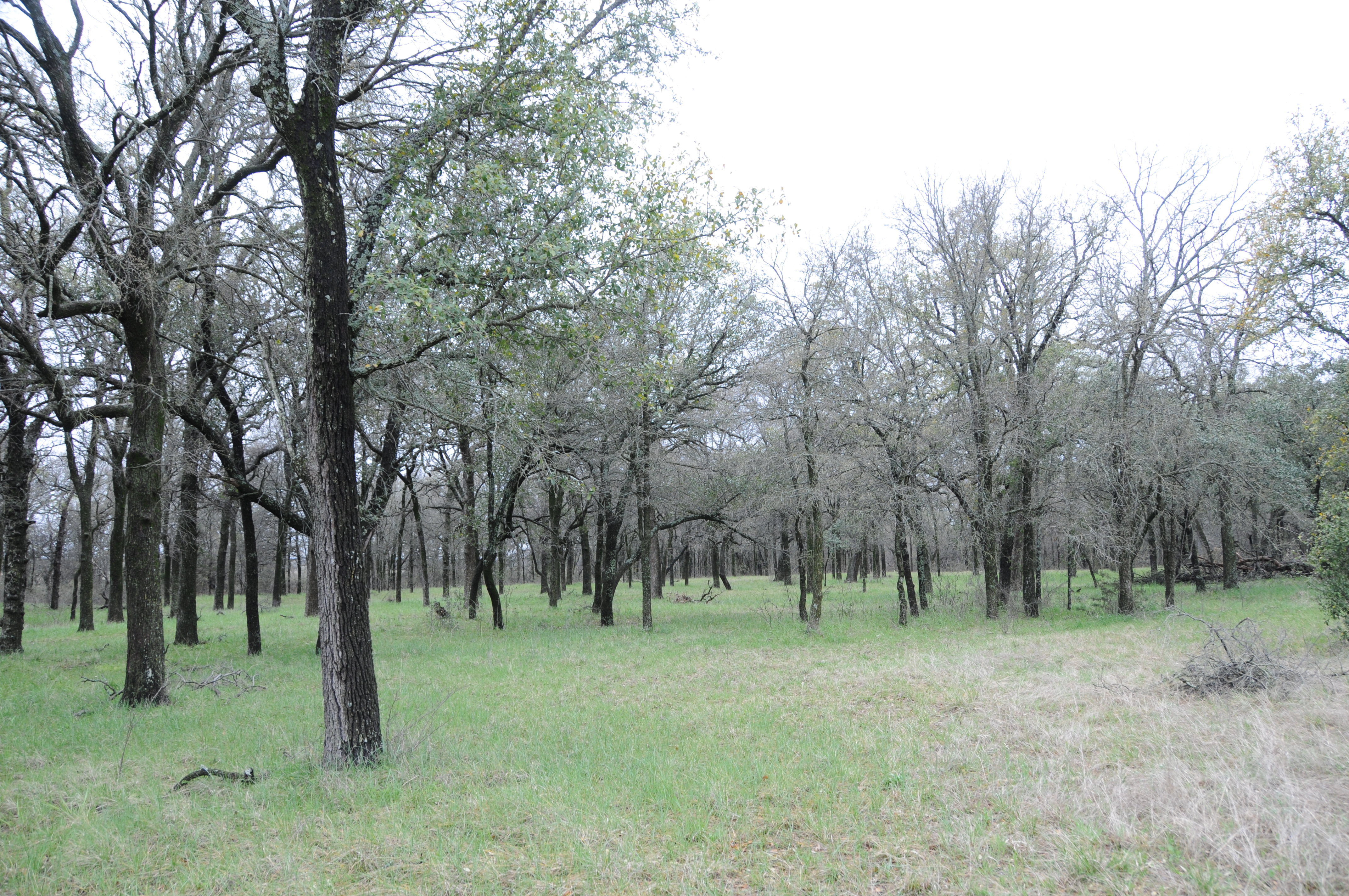
The Grove, March 20, 2010 (click to enlarge)

I think we can restore natural families we have damaged:  sagebrush, grouse, deer, shortgrass and fir.  I may, at the end of the day, be proven wrong in assuming we could correct ourselves, but for today I will walk with respect for spring in my pasture, stride through shrubs a’blooming in The Grove, and fervently hope that the restoration of nature will be fulfilled.

Restoration Short List for Flying Hat Ranchito

1.  Retard and prevent soil erosion in pasture with planting of native grasses.

2.  Give protection for deer migration in The Grove: allow brush to obscure their loafing areas.

3.  Seed native wildflowers in lanes and bypaths.

4.  Encourage pair of roadrunners return to arena area and cactus grove.

5.  Shred not high native grasses:  allow cover for birds and fox.

6.  Find strategy to encourage return of wild turkeys in pastures.

7.  Limit shredding substantially: allow grasses to seed out, encourage field mice, hawks.

8.  Build new brush piles to harbor wildlife.

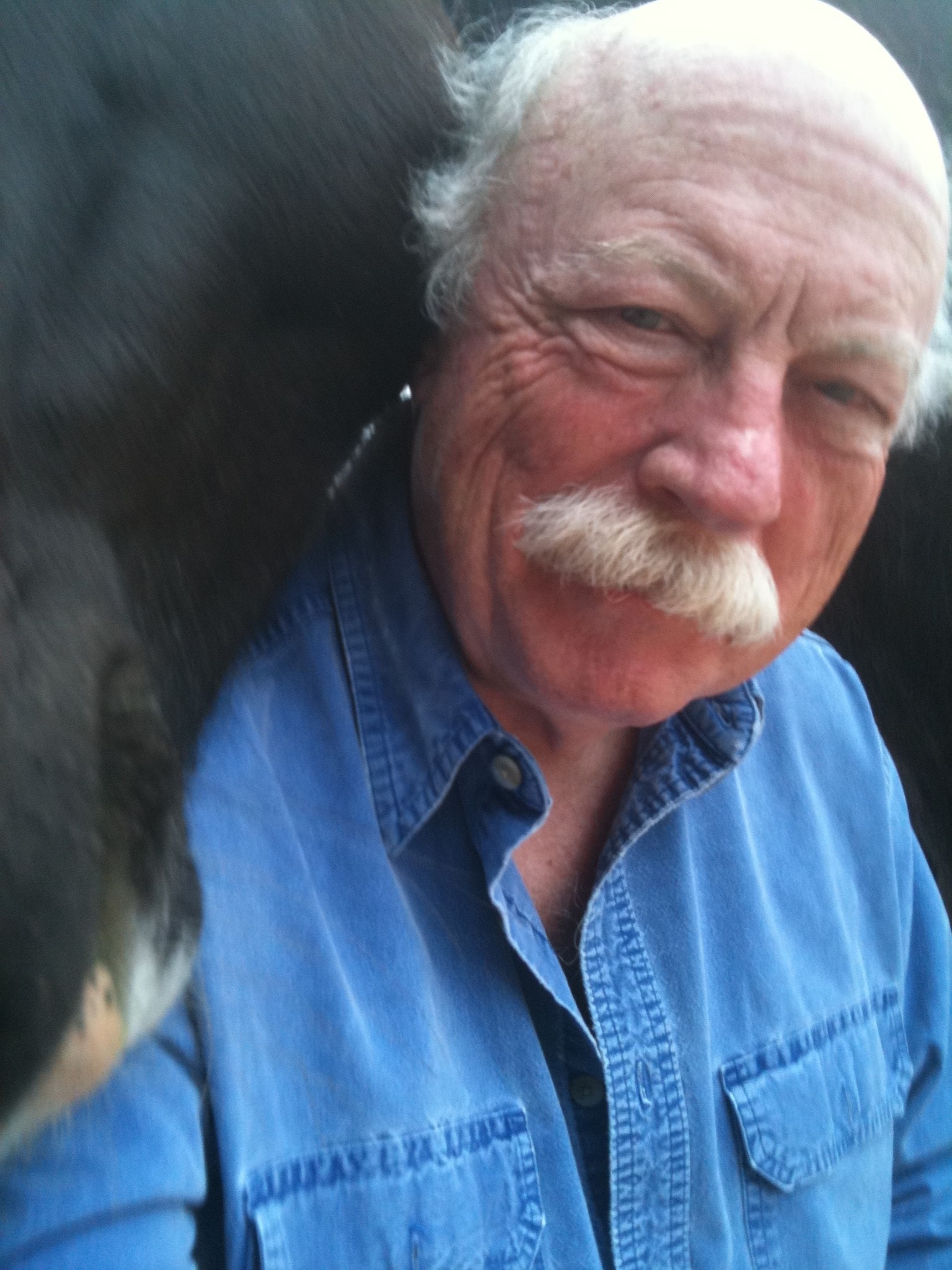
Jack Matthews, March 17, 2010, Fredericksburg, Texas, Author of Sage to Meadow Blog (click to enlarge)
2 Comments

Filed under Life in Balance

Field Log 3/20/2010 (Deer Track)

North Erath County, Texas, 32.43 lat., -98.36 long. Elev. 1,086 ft.  Turkey Creek Quad.

Windy from north, intermittent slight snow mist, 34 deg. F.  Heavy rain last night.  Rain gauge not measured.

Drove DX-55 tractor to arena area.  Slippery, used four-wheel drive.  Walk to grove revealed no track.  Camera tucked under zipped field coat.

Hawk sighted, soaring low from north to south along pasture.  No definite typing.  Voice resembles a high-pitched shrill pweeeeeee; diminishing (see Peterson, A Field Guide to Western Birds, p. 68, under Broad-Winged Hawk (Buteo platypterus) [2nd ed., 1969]).  Tailbanding verification is ambiguous.

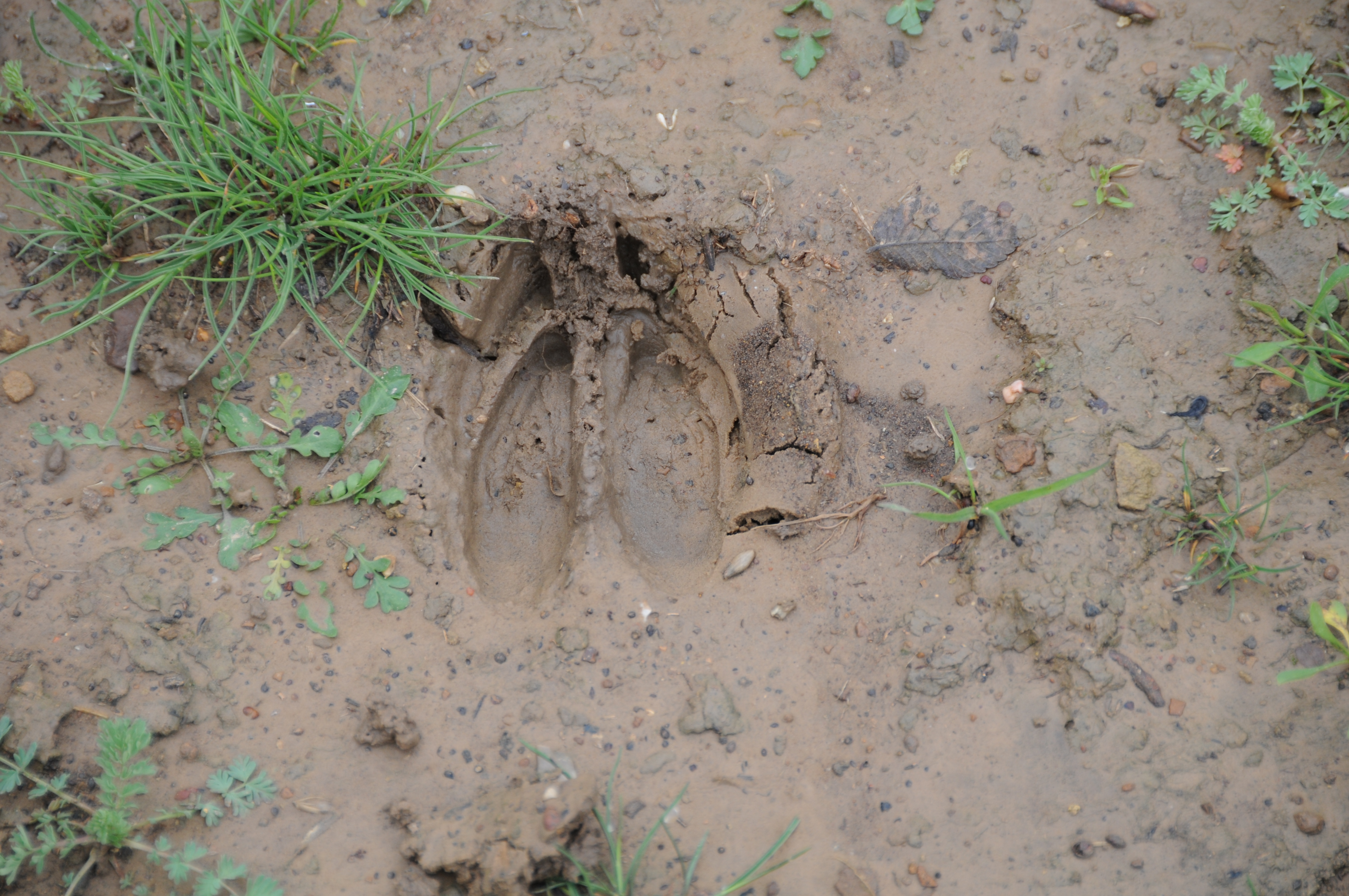
Deer track found on north side of The Grove, near corn site.  No corn set out for five days.  One deer track.  Mature.  Headed southwest.

Deer Track North Side Grove, March 20, 2010 (approx. 2.5 in. length, click to enlarge)

Deer Track North Side Grove Large View, March 20, 2010 (click to enlarge)

Scouting to creek area revealed no deer track.  Creek running high at approx. three (3) feet above normal.

Salt Creek After Rain, March 20, 2010 (click to enlarge)

Upon returning to house, deer track discovered along Poprock Hill Pasture, near the Blue place pond.  This indicates the one deer is still browsing between Blue’s pond, our pasture and the grove area.  No track emanates from Hall place to the southeast, as it used to.  Note: talk to Blue and verify continued support of brush growth around his pond.

One or two deer, not fifteen.

Returned to house at 11:15 a.m.

10 Comments

Filed under Deer, Field Log

Deer Tracks Vanishing

Neighbors surround our place and new arrivals have built homes and constructed fences and water gaps.  Changing things, the habitat for wild things, most of all.  Not any of the change has been good for me.  Oh, I can look closer at settlement patterns and see loneliness overcome, socializing more frequent and assistance rendered when needed — but I would not depend on it.

Deer tracks vanish.  The fox are gone.  Wildlife disappears.  Within seven years since our arrival here in the country, human settlement has pushed wildlife to an endangered status on our place.

Yesterday, I scouted the south side of The Grove for deer track.  I found none.  Since 2003, I have found deer track every day I have looked on the south side of The Grove.  Not yesterday.  The new neighbors to the southeast cut and burned brush that harbored deer.  For what purpose?  Better view from their house?  To loose their dogs into the clearings for exercise?  To give horses a open area for turnout?  A person can use their property as they see fit — an English-American axiom.

And, to the west, our neighbor has permitted two more families to reside on their place.  Target practice occurs.  The creek bank and bed where shots are fired in practice are pathways for deer migrating through our place and onto adjacent ranches.  Last Sunday, I stopped counting the rounds fired in the creek bed.  A person can use their property as they see fit — an English-American axiom.

In 2003, I regularly saw a herd of twelve-to-fifteen deer migrate and browse in our pasture.  Our farrier, Allen Gaddis of Wyoming, marveled at the deer on a misty morning as he trimmed hooves.  Deer used to graze with our horses.  Last year, I saw no more than three deer in a grouping.

I will go tomorrow to the north side of The Grove and seek deer track.  I will take the camera.  If there is track, I want a record in the future of how things used to be and how people use their property as they see fit — an English-American axiom.

I may post photographs.  I may not.

6 Comments

Filed under Deer, Life Out of Balance

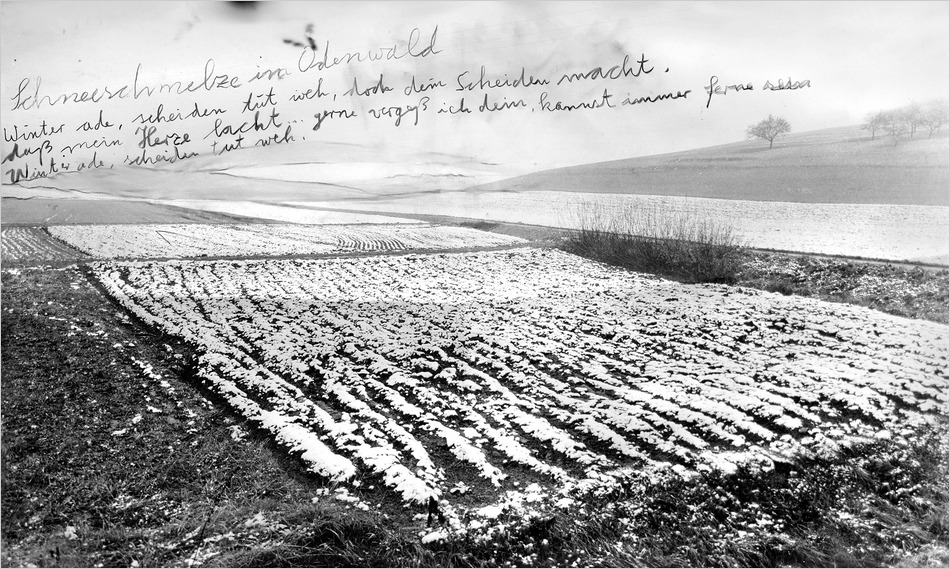
The Seasons | Anselm Kiefer – Before Spring

The Seasons | Anselm Kiefer – Before Spring – NYTimes.com.

Text on the work is translated as follows: Snow melt in the Odenwald. Goodbye, winter, parting hurts but your departure makes my heart cheer. Gladly I forget thee, may you always be far away. Goodbye, winter, parting hurts.

Anselm Kiefer, "Snow Melt in Odenwald," 2010, gouache on photographic paper (click to enlarge)

The snow is melting and trees are sprouting.  I have applied the disc to the field in order to soften the ground for grass seed.  Not the above field, but our field here in Texas.  Warmer here.

9 Comments

Filed under Life in Balance

Harry’s of San Saba, Texas

In 1950, Aunt Lennie bought me a pair of jeans and a straw hat at Harry’s Store in San Saba, Texas, a dry goods store near the corner of East Wallace and Highway 16.  As I was growing up, I visited Aunt Lennie and Uncle Floyd many times, spending weeks at their Cherokee, Texas, ranch near San Saba.

Harry’s purveyed hats, boots, shirts, Levis, jackets, coats and all associated accouterments to farm and ranch living in central Texas.  The smell of leather, felt, and Levis surrounded a customer as they shopped.  The dry goods were new and unbroken by weather and work.  Trading at Harry’s was serious shopping, not browsing or spending time checking out the newest fashions, rubbing the fabric for quality. You bought jeans that withstood brush and barbed wire; hats that shielded you from a sun that blistered the fair-skinned into pain; coats that were warm and gave enough room to twist, turn and lift sacks of feed and drag cedar posts; and boots that had high-heels enough to keep the foot from plunging through the stirrup in a tight turn or a moment of fright.

I wasn’t riding horses or lifting cedar posts into holes in the ground.  I was eight or nine-years-old and tagging along with my uncle into the pastures and fields, making a nuisance of myself, asking too many questions.  Nonetheless, I had jeans and a hat from Harry’s after that trading day in San Saba.  The possession of country dry goods to protect myself from brush and sun signified a boy’s development into life on farm and ranch.  I dressed the part and looked like my uncle and cousin.  Not a poser.  You are not a poser when you buy from Harry’s and work on your uncle’s ranch.

Now in 2010, Harry’s has expanded into several adjacent stores, including the old San Saba Hardware store.  Four buildings comprise Harry’s, not the one or two rooms I remembered.  The expansion into the hardware store revealed a weather history.  A clerk had recorded San Saba’s weather patterns, writing data on the wall for remembrance, prediction, or both.  Today, the tin ceiling remains intact.  The hat area is on the second floor.  Silk western shirts are now sold with short-sleeved cotton work shirts and Levis.

Harry’s still evokes the same scent as years gone by.  As my wife and I toured on Highway 16 to Fredericksburg this week, we went into Harry’s to purchase jeans and shirts.  Opening the door to the new entryway, the smell of leather and new jeans surrounded us and I felt comforted that life may be, for a short time, comprehensible and integrated.  I bought a pair of Wrangler jeans — a change from the past — that the sales girl said were pre-washed and less stiff to begin with.  My wife looked at the shirt section and selected one for me: a Ryan brand, silk type that I would never wear in the field, but under my field jacket in winter it would give me flexibility in the barn as I fed the horses.

As I stood in the middle of Harry’s breathing a history, a friend and colleague came up to me.  Surprise!  He had seen me and and Brenda enter the store and had parked his car to come in and say, Hello — he was on the way to Austin down Highway 16 to visit his son on spring break.  We talked and chatted about politics and the weather, the recent death of a colleague and her funeral.

I need to buy you a shirt, I said.

Oh, no, he said.

Oh yes, a work shirt.  Come over here.  Which one do you like?  This one?

Well, yes.

Then, it’s yours.

I paid for it and told him the story of my first visit to Harry’s.  I fetched him a business card from the sales clerk.  Then, he looked down at the shirt and Harry’s store label was attached to the lower flap.

Oh, I’ll remember Harry’s, from the label on the shirt, he said, as he walked out the door.

So will I.

10 Comments

Filed under Cedar, Juniper, Recollections 1942-1966

Poppies in El Paso

Spring Poppies Near El Paso March 2010

Within the last few days, the Texas Mountain Trail Photo a Day blog site has taken photographs of poppies near Franklin Mountain at El Paso, Texas.  This photo was taken on March 8, 2010.  The type of poppy here is the Argemone mexicana, native in a triangle of Webb, Val Verde and Travis counties.  These poppies are also known as Texas Prickly-poppies, as the stems are prickly.  Of the twenty species in North America, eight species are in Texas.  (Please see Mary Motz Wills and Howard S. Irwin, Roadside Flowers of Texas, Austin: University of Texas Press, 1961, pp. 117-118.)

Poppies Near El Paso March 2010

Notice the Franklin Mountains in the distance.  Click the link below for more information. 

Website and blog for Texas Mountain Trail Daily Photo.

6 Comments

Filed under Plants and Shrubs

St. Patrick’s Day

Irish Tri-color Flag

Happy St. Patrick’s Day to all.  My father sent a postcard to my mother in 1942, from a Georgia paratroop training camp, urging my mother, “Keep flying that Irish green, Blondie!”  She flew the Irish green, converted to Catholicism before marriage to my father and basically accentuated her Irish heritage for as long as she lived.  My mother always introduced me as, “Little Jack, the first and only heir to my property!”  Later, I found out that the introduction was as Irish as the shamrock.

So, in remembrance of St. Patrick, let us fly the Irish green for a time.  ‘Twould be good.

4 Comments

Filed under Recollections 1942-1966

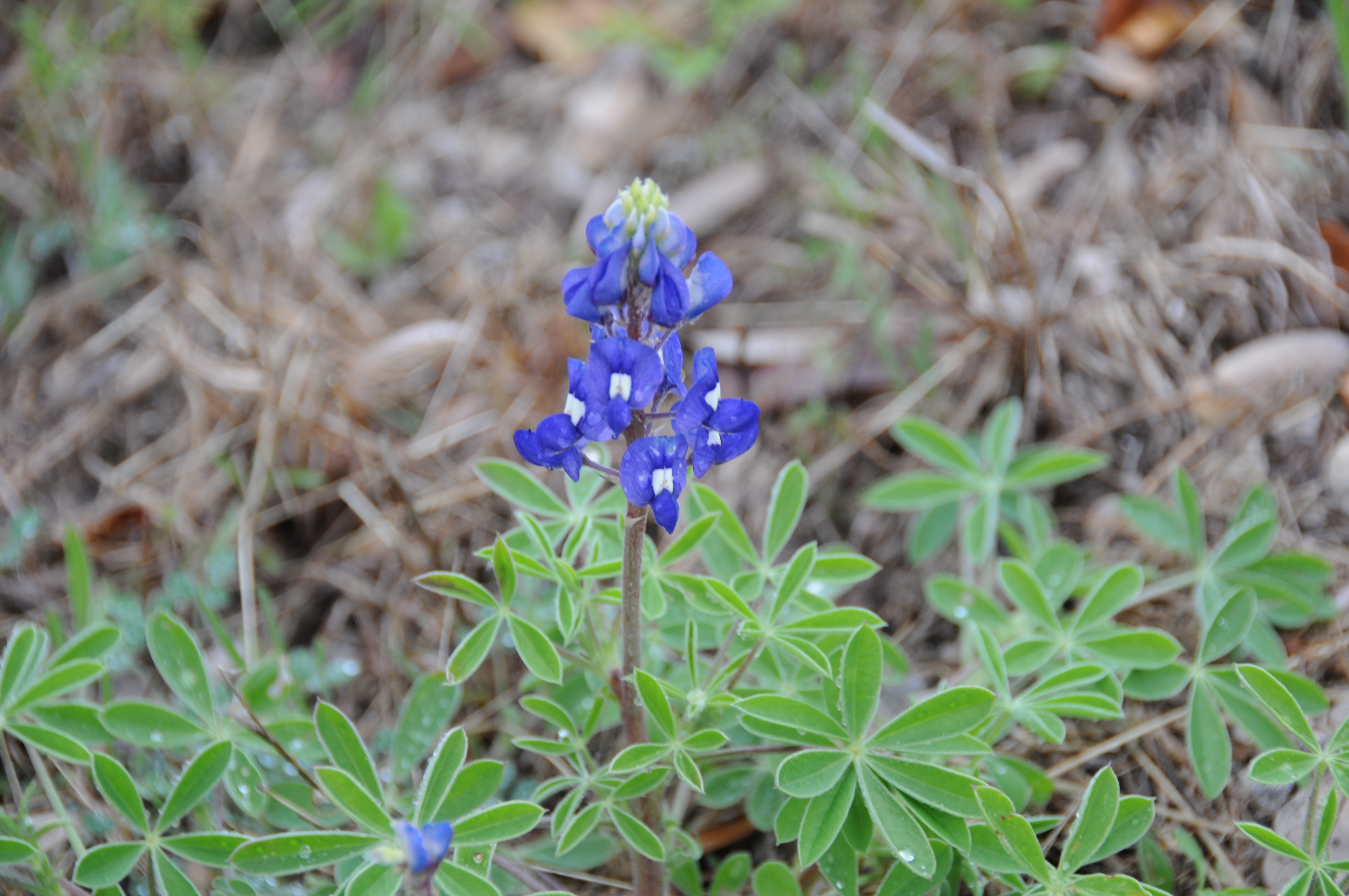
Bluebonnet in Texas, March 16, 2010

[Please note that this post was published last year on March 16, 2010.  I have brought it to the front page since it is an anniversary of the bluebonnet.]

We toured to Fredericksburg, Texas, today for a two-day vacation.  This was the first bluebonnet (Lupinus texenis) I saw this spring.  No large fields, yet just one blossom.  It’s here, at least, a bluebonnet twixt Llano and Fredericksburg.


Texas Bluebonnet (click to enlarge) March 16, 2010, Twixt Llano and Fredericksburg, Texas

All the way down Highway 16, we had seen few signs of spring.  Winter still dominated the landscape and roadside.  One significant greening area was south of De Leon, Texas, where the trees showed green leaves beginning to sprout, but not full emergence.  That was along the River Sabanna.  Past Llano on Highway 16,we stopped beside the road for a rest.  As we paused, I saw this one bluebonnet and got the camera out.  About the time I started shooting photographs, cars and pickups whizzed by.  I stopped, then took several shots.  This shot was without a flash.  Just natural.  Shouldn’t it be that way?  Natural?  In springtime?  In America?

Oh, I think so.

12 Comments

Filed under Life in Balance

Field Log 3/15/2010

North Erath County, Texas, 32.43 lat., -98.36 long. Elev. 1,086 ft.  Turkey Creek Quad.

Cooler today than expected, lower 50s F. most of day.  Partly cloudy.

Re-checked horses for nicks, scratches and punctures.  None found.

Moved hay bin in arena for easier access by tractor and pickup.  Shiney the colt thinks it’s play.  Gallops around and rears up several times, challenging the black hay bin and noise.  Brenda climbs over arena fence to assist, adding to his fun and excitement.

Edited sale information for Shiney.  Gave a copy to Cooper’s Feed-store in Stephenville.  Amber looked carefully at the flyer and said, “Beautiful.”  Bought three (3) alfalfa, two (2) coastal bermuda, one sack of Senior feed for Lilly and one Country Times cat feed for barn.  Hay consumption is down with spring grass.  Linsey, manager, gone for lunch.  No sales tax for feed for barn cats, Bubbles and Paint.

One Barn Swallow (Hirundo rustica) sighted on front fence.

Composed operational instructions for caretaker, Jeannie Chisolm, while on trip to Fredericksburg, Texas, March 16-17.

Lilly has taken up a new habit.  Without halter, she walks to her stall through the alleyway from the corral, avoiding up-and-downs of terrain.  She waits for me to open the gate to the alleyway, then slowly brings her twenty-five-year-old body down the alleyway, pausing at her stall door, then turning into the stall, exhaling loudly.  I make sure that in her grain, she has her arthritis medicine, Active-X, the powder with ground yucca.  (Note: I took my flex medicine this morning.  Correlate man and horse in article.)

Worked with Shiney on ground manners: grooming, full-body touching with hands, approaches on flanks, lead rope, halter.  Has habit of wanting lead rope or halter in his mouth when I first approach.  Nervous habit deflects tension?

Unloaded hay and feed.  Barn cats, Bubbles and Paint, not amused that I took away their scanning area on the hay in the pickup.


6 Comments

Filed under Field Log, Lilly, Shiney (Shiners Fannin Pepto)

Field Log 3/14/2010

North Erath County, Texas, 32.43 lat., -98.36 long. Elev. 1,086 ft.  Turkey Creek Quad.

Four Barn Swallows (Hirundo rustica) soaring about house and Poprock Hill.  First sighting this spring.  (Note: clean off mud nest on front porch.  Verify type again.)

Resident hawk(s) is not a red-tail.  Unable to verify type.   Possible Goshawk (Accipiter gentilis). Conventional scream or call.  Same resident hawk with sibling I have seen in the grove.  Nest high.

Grasses emerging in Pecan Tree pasture.  Side-oats gramma is approx. three (3) inches high.  Dead grass has given cover for small untyped birds and gramma sprouts.

Three flocks of Sandhill Crane (Grus canadensis) seen in afternoon.  Tuk-tuk alert to look up.  Flocks flying 75-100 m.p.h. ground speed est.  Altitude est. 2,000 feet above ground level.  Wind south-southeast.  Three stragglers.  Again, only a few tuk-tuks, indicates leader or alpha call?  These flocks number 200-300, but only few calls.  Why?  Evangeline Chavez in at Bosque Apache in New Mexico sights Crane flights today.  She is 600+ miles away.

Shiney the colt has twenty (20) mane hair samples with roots sent to U. of C., Davis for DNA typing and registration with AQHA.  Brenda reached through corral fence for mane hair.  He’s a good boy.

Nephew of Kelly Dooley, the Dooley place, shoots .22 caliber pistol or rifle to the west of us.  Bullets whiz through corral near Hija and me.  Emergency call to Kelly.  She gets nephew to orient himself away from corrals.  Four (4) bullets pass through air while I am in corral.  Brenda on porch has one bullet pass by.  Bullets sound like big, fast mosquitoes:  low tones, not high tones, buzzing.  Nephew is from town, goes goofy in country.  Deeply apologetic.

Native brush sprouting buds and yellow blossoms in grove.  Gathered two (2) large stones from grove.  Filled Pecan Tree water trough that Olivia helped me fill at Christmas.

2 Comments

Filed under Field Log, Sandhill Crane