River lights contentment


River lights by Montana Outdoors, December 13, 2010.

Montana Outdoors is a photography blog and the above photo is one of many excellent shots of nature’s grandeur in winter.  Its author wrote the following in his introduction to his blog that has been published since 2006,

I am privileged to live in western Montana, close to the wilderness and roadless areas that I love so much, and I’m thankful that I am still able to venture up into them and spend much of my time there.

Most of the photos that I post are of scenes that cannot be seen from from roads or highways. There is a very beautiful world out there in the wild country and it is my wish to make it visible, by words and photographs, to those who are interested in enjoying it.

It seems that many folks have all but forgotten that we are part of that natural world and that ultimately it sustains us in both body and spirit. My hope is that we will have the wisdom and the discipline to preserve it for future generations, for once the wilderness has vanished, mankind will soon vanish as well.

Readers, you must go to Montana Outdoors website for it is a beautiful paean to all things, big and small, in the outdoors.

* * *

In concord with Montana and the holiday season, Sam Travers, Christmas in the Old West: A Historical Scrapbook, has a note about Christmas at the Saleesh House in Montana in 1813, from the pen of trader Ross Cox,

Our hunters killed a few mountain sheep, and I brought up a bag of flour, a bag of rice, plenty of tea and coffee, some arrowroot, and fifteen gallons of prime rum.  We spent comparatively happy Christmas and, by the side of a blazing fire in a warm room, forgot the suffering we endured in our dreary progress through the woods.

* * *

From The San Saba News (Texas), December 15, 1883, here is a comment about Christmas and the progress of time,

Christmas is near at hand — two weeks from Tuesday — and each day between now and the great event will drag wearily away to the little folks.  What a pity it is men cannot experience on this day of peace and good-will to all the unalloyed happiness they did as boys.  But then years bring experience and ofttimes misery, and happy is he who can retain even until middle life a touch of boyhood’s pleasures.

The editor of The San Saba News wrote columns upon columns of prose each week for a frontier community far removed from trolley cars and opera houses.  In other news, the little town of San Saba celebrated Christmas by gift giving and church gatherings.  Several advertisements listed gifts men and women might enjoy, such as colognes and mustache cups.

Whether Montana or Texas, people seem to find a way to transcend their discontent by celebration and looking upon light from a river in winter.

______________________________

Notes:

The San Saba News from the nineteenth century is found on Chronicling America The Library of Congress link on the sidebar under small town newspapers in Texas.

I had pulled together the San Saba editorial and the Old West scrapbook piece for two separate posts, but when I came across River Lights by Montana Outdoors, I brought them together in one post.  I think we all find a way to get by the holidays, be it “prime rum” or family gatherings.  Since my family is scattered in Texas and Florida, I go to Santa Fe more often than not at Christmas.  This Christmas of 2010 I am not sure where my wife and I will be.  In any case, and this is my point, nature is outside my window and there I can find a measure of contentment — River Lights always beckon.  Always.


7 Comments

Filed under Christmas, Santa Fe

Saving a drowning Roadrunner

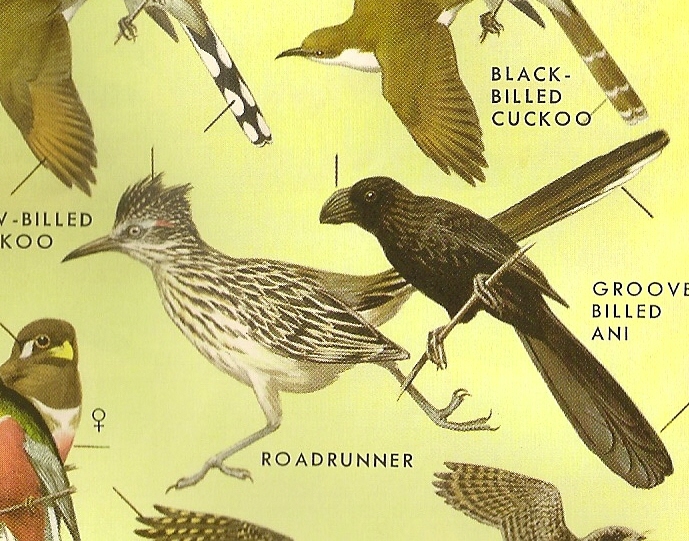
Roadrunner (Geococcyx californianus), Petersen Field Guide

In the summer of 2009, I rescued a roadrunner (Geococcyx californianus) from drowning in the circular water trough in the Well House Corral.

Roadrunners occupied a minor niche in my bird and animal kingdom as I grew up in central Texas.  My Aunt Lennie McRorey who lived on a ranch with her husband in San Saba County, Texas, kept a minor collection of roadrunner figurines and commissioned a small oil painting of a roadrunner that my daughter displays on her end table in Lubbock.  Driving down highways and especially back roads, roadrunners flew or ran across the road in front of the car.  I never saw any remains of roadrunners beside the road, attesting, I think, to their agility and speed.  They were big and seemed amusing the way they ran and picked at insects along the highways.  In a way, the roadrunner to me seemed unique among birds, more of an ostrich-like being than a flight creature — a miniature ostrich, for sure.

When we moved to our ranch in 2003, I saw roadrunners occasionally along our county road, but in 2008 and 2009, I noticed a pair of roadrunners that nested or habitually occupied the Well House Corral next to the Dooley Pond and mesquite brush to the west of our fence line.  As are most of my discoveries here on the place, my initial observation was accidental.  I was resting in the shade of the barn alleyway one hot summer day in 2008, when I saw a roadrunner dart from well house to the arena and under the trees in the corral.  Initially, I saw only one, but after a few more sightings during the summer, I saw two of them.  They often flew up in the lower branches of the live oaks and sat in the afternoon.  At the most, I spent thirty minutes watching their antics in the lower branches, wallowing and playing in the arena, and then I followed their hunt towards the east and our stock pond.  The summer of 2008 came to a close and I did not see them until the next summer.

Water trough in Well House Corral that ensnared roadrunner.

I had set a circular water trough in the Well House Corral for cattle and horses.  The trough was large, about six feet in diameter and held enough water for two or three days for cattle.  One afternoon in the summer of 2009, I walked down to the trough to check its level and noticed that the water was greenish and appeared disturbed.  Live oak leaves fell in the trough, and algae grew about the leaves and errant grass stems.

As I looked at the level of water I saw a long, log-like thing in the water.  It was listless, dead.  I looked closer and realized it was some kind of animal?   I thought at first a very large squirrel or possum?  Then, the parts all came together and I realized it was a roadrunner, one of the roadrunners I had been observing for two summers.  I thought, How could you have gotten drowned as crafty and smart as you are?  Oh, no, you poor thing.  I beat myself up for a moment, thinking I should have kept the water level higher so that if he had wanted a drink, he could have perched on the edge.

Well, I had to get him out of the water or it would become contaminated.  As I reached over to pick him up, his eye blinked!

Good god almighty, he’s alive!

I gotta get him out of there.  As I reached over to pick him up with my bare hands, I stopped.  The roadrunner could turn and peck me mightily, drawing blood.  Several years ago I had grabbed a mockingbird that had become caught in some netting I used to protect ripening grapes in our vineyard and the mockingbird had turned and pecked my finger in two places, drawing blood before I could let it go.  Pecked by a mockingbird is one injury, but a roadrunner peck may be a wound to the bone.

Seeing that the roadrunner was exhausted and I had to do something fast, I ran back up to the barn and grabbed my sombrero that was large and a couple of warm, fresh towels I used to groom horses.  I hurried back down to the water trough and dipped the sombrero under the roadrunner and lifted him out.  He was still blinking, but not moving at all.  He was huge.  I never knew how big these things were.  He was at least two feet long!  Think a small ostrich.

I put the roadrunner and sombrero on the ground and gently gathered him up in the towels.  With one towel I held him and the other I dried him off thoroughly.  With each stroke of the towel, going from head to tail, he would stretch his neck and extend his body as if running.  As he would stretch, his neck area would reveal sparse feathers and tender skin.  I saw no lesions or breaks or fractures.  I continued for five minutes or so drying him off.

Now what to do?  He was not standing or trying to fly off.  I decided to keep him on the towel and take him to the arena where it was sunny and warm and away from our barn cats.  I placed him down alongside the arena panels, near an area that I had seen him and his mate play.  He remained still, but was beginning to stir a bit.

I walked back up to the alleyway where I could monitor him and watched.  After about thirty minutes, I saw him stand up and begin to fluff his feathers and preen.  This went on for fifteen minutes.  I had to move on to other chores and left him alone.  An hour or so later, I went back to the arena and checked on his condition.  He was gone, most likely over the fence line to the Dooleys and his mate.

I’ve often wondered, fantasy-like, Borges-like, that somewhere in Mexico after he had recovered, this roadrunner told a story to his friends about a sombrero, the marvelous power of a hat that came down out of the sky and carried him out of water to dry land and life again amongst the cactus and creosote of the desert.  Just a fantasy.

The sombrero that was used to rescue the roadrunner.

______________________________

Notes:

This last summer, 2010, I have not seen any roadrunners in the Well House Corral.  Our neighbors to the east have cleared a lot of brush from their property and deer and other critters have moved southward, into the grove and far pasture, so the habitat for the roadrunner has changed.  I continue to look for them.  I know that observing the roadrunner in the wild is most infrequent and I am motivated to observe more when I can.

In the photograph of the hat, you will notice two bite marks out of the rim.  Star, my paint gelding, reached through the stall and took two chunks of straw out of it while I wasn’t looking.  The hat is made by SunBody hats www.sunbody.com and is constructed from palm leaves in Guatemala by Jose Medrano.

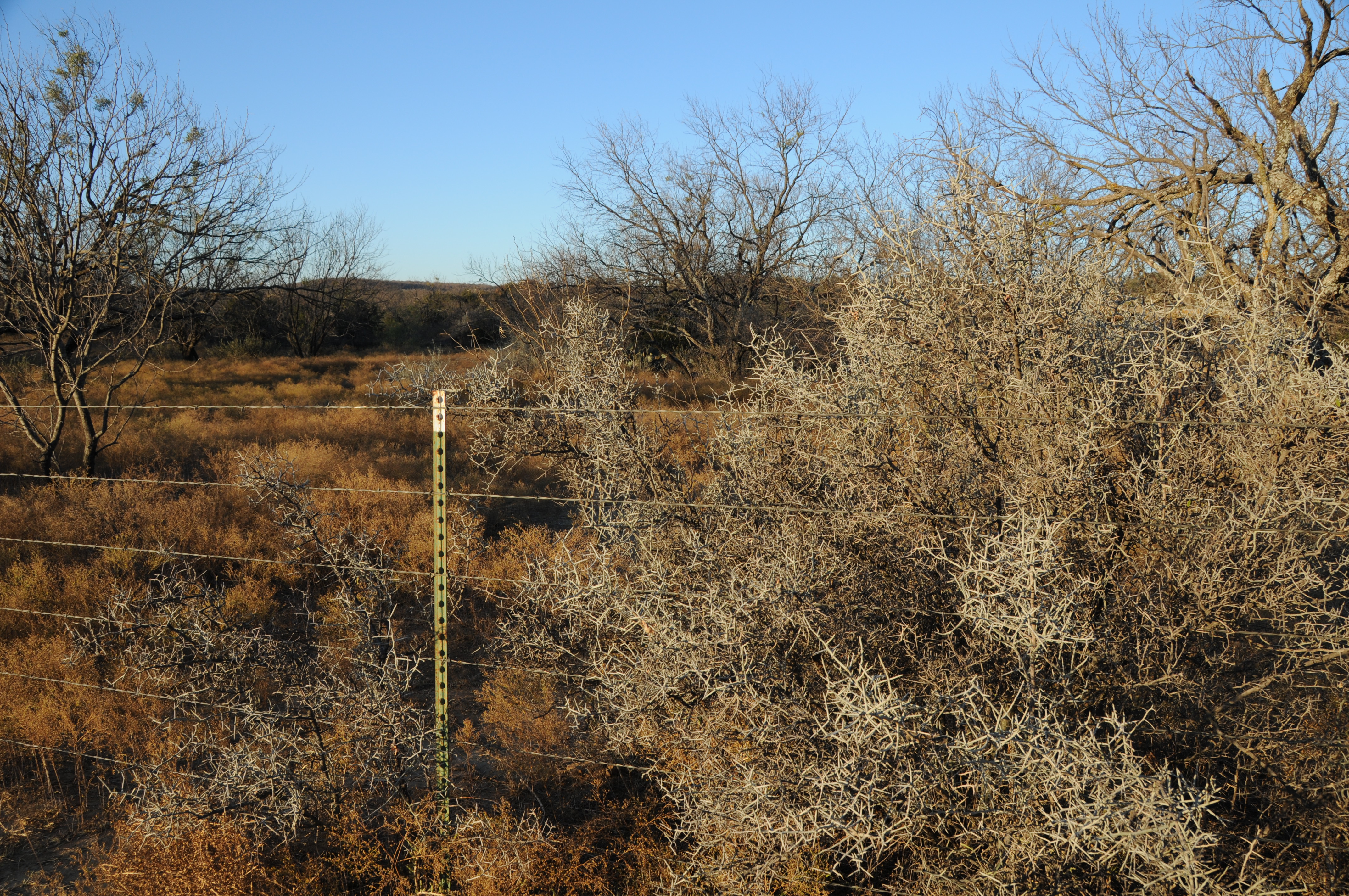
Towards the Dooley Pond where the roadrunners have their nest.

The live oak trees where the roadrunners sat.

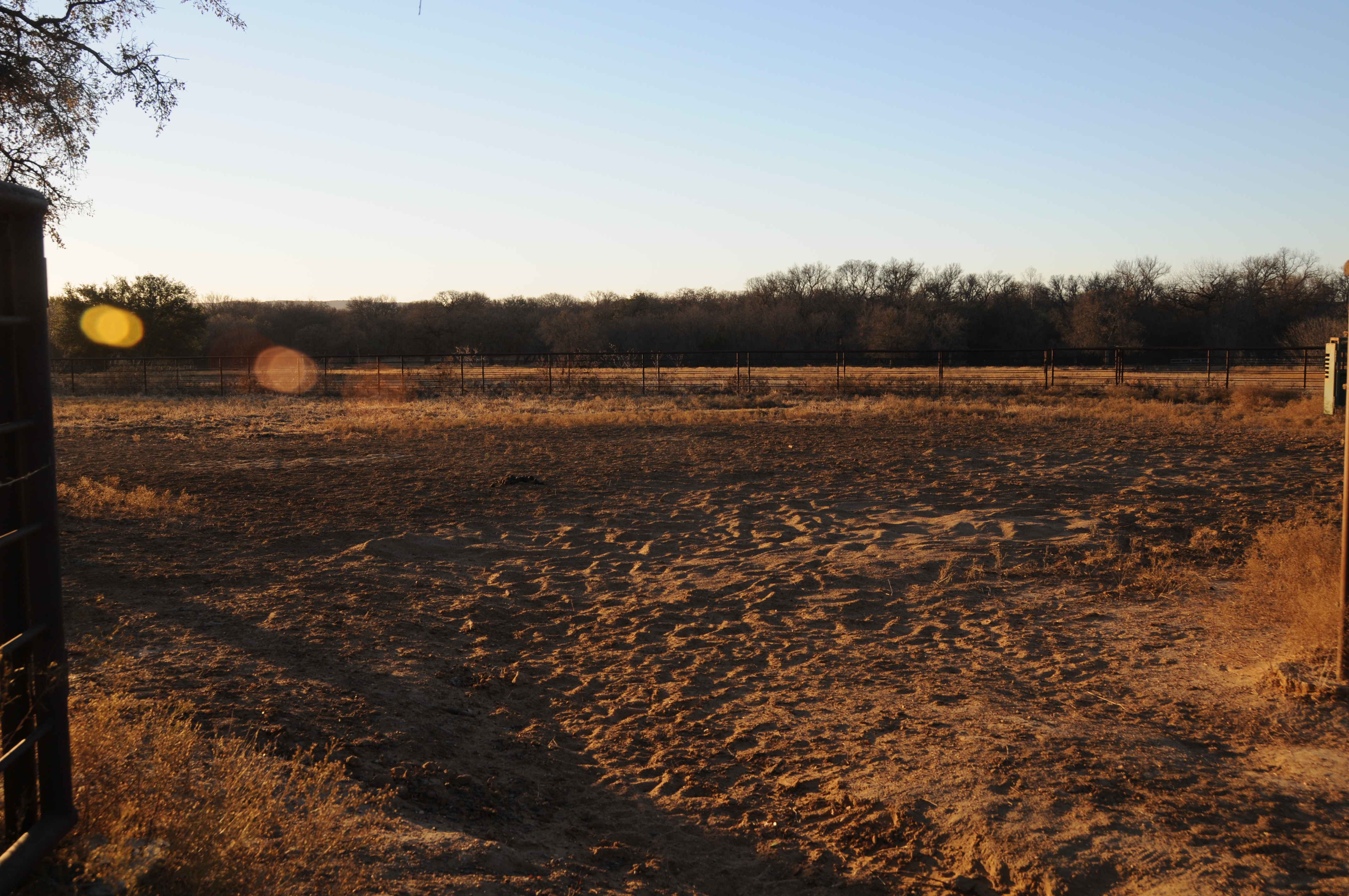
The arena where the roadrunners played.

The spot where I put the roadrunner to dry off.

Senor Jack wearing the hat that saved the roadrunner.

17 Comments

Filed under Flying Hat Ranch, Life in Balance, San Saba Texas

Forthcoming posts


I am not fond of making lists, but I made one today on the posts I want to compose.


I have some posts I want to write, and, once my paperwork has been turned in to Cisco College and Texas Wesleyan University, I want to write something about:

Henry Clay and his fantastic ability to dance.

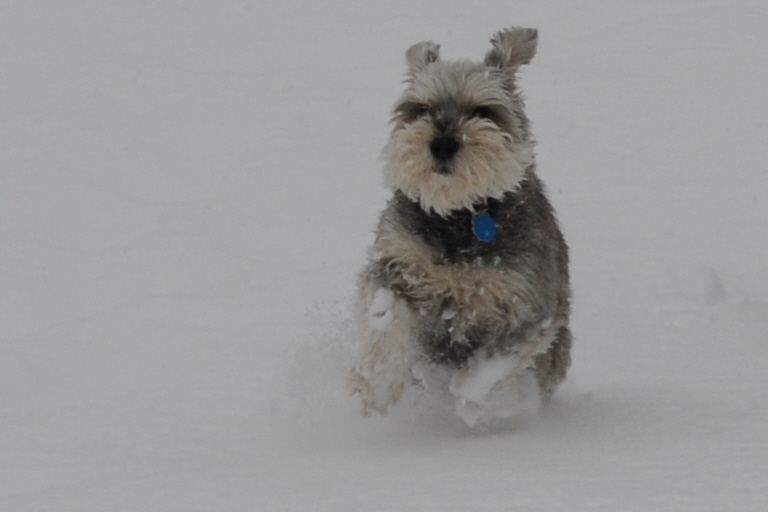
A newly-discovered playful aspect of Lottie (snow-plowing schnauzer).

Lilly, the oldest mare on our place, and her insistence on opening gates that are closed.

The lone coyote that yips over by the Dooley pond.

My rescue of a roadrunner from drowning last summer.

The reconstruction of the Chimayo restaurant with the help of its staff and contractors following their disastrous fire.

Paying for damages for breaking crockery in the morning and writing letters of apology.

But, for now, I must complete my tasks for concluding the semester.


Lottie the snow-plowing schnauzer.


14 Comments

Filed under Adventure, Life in Balance

Pleasant Valley footsteps: naturalist quote

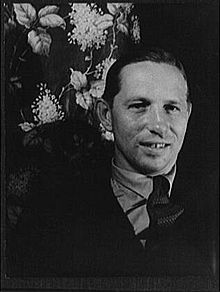
Louis Bromfield, photo by Carl Van Vechten, 1933.

Several mornings during the month I search for a quote, an excerpt, that I can post; an excerpt that illustrates humanity’s vital relationship to nature.  This morning I glanced through — and will use later — works of Gregory Bateson, New Mexico trail guides, historical scrapbooks of the Old West, my old family photographs and the W.P.A. guide to Texas.  The farrier, Dale Lyon, is coming at 9:30 a.m., an hour from now, so I’ve made a selection from Louis Bromfield, Pleasant Valley (1943).  Bromfield’s writing about Malabar, his Ohio farm, is in the tradition of Walden.

A good farmer must be many things — a horticulturist, a mechanic, a botanist, an ecologist, a veterinary, a biologist and any number of other things — but knowledge alone is not enough.  There must be too that feel of all with which nature concerns herself….A farmer knows from day to day, even from hour to hour the state of the weather, of his crops, of his animals….He is the man who learns by farming, to whom the very blades of grass and stalks of corn tell stories.  He is the man to whom good crops sing a song and poor ones convey a painful reproach.  He is the man who knows that out of the soil comes everything, that out of the soil come the answers to the questions that torment him.

…With all the research we have made there still remain many mysteries, not beyond explanation but which have not yet been explained or understood.  In this borderland the “live” farmer finds his place — the man who sees and feels what is going on in the soil beneath his feet and on the earth around him, the man whose footsteps are the best fertilizer for the farm.

Notes:

Louis Bromfield, Pleasant Valley, New York: Harper and Brothers, 1943, pp. 147-148.

See the page under Fine Writing for more information.

4 Comments

Filed under Nature Quote of the Day

Long shadows soaring

Long shadows in the grove

This afternoon I decide to walk into field, grove and far pasture of native grass.  The walk.  What propels me, anyone, to walk into the raw material of nature?  Flying up in my face are three urges: what is changing out there?  Who is out there?  And, what is the surprise, the non-contingent event, large or small, that will stop me, stop us, and reveal the universal in the particular?

Before I walk into the field, from the house on top of Poprock Hill, with the aid of binoculars, I count approximately ten ducks, mallards mostly, feeding at the south end of the stock pond, the same pond that Star, my paint gelding, and his mother, Lilly, drink and cool their feet in mud.  The pond is low this December, the water line two feet below the cockle-burr plants I must root out next Spring.

I walk through the alleyway of the barn and through the two corrals, striding slowly next to the fence line of the Dooleys, our neighbors to the west.  Their stock pond is also low.  Yesterday morning, I heard a lone coyote call and yip near the pond.  (After dark tonight I heard the same coyote near the Dooley pond.)  I walk past the pond, counting vultures and crows in the air.  I see the gray, cocked-tufted, long-tailed bird that builds nests on barn light reflectors, pulling horse hair around the nests, dabbing the nest with feathers and mud.   I must pull down my Peterson and type it when I can.  I walk beside the west fence line, away from the mallards on the pond so as to keep them feeding, turning as they do upside down, their rumps fully exposed, their heads plunging and bills nibbling below the surface for tadpoles and moss.

I see that deer have been licking the salt block I put out last summer in the grove.  I do not see deer in the late evening so they must come after dark.  I see deer hoof prints abounding, more than I have seen in months.  The soil is hard packed from the lack of rain, but hardly any dust is stirred up for the wind is slight and cool from the east.  I believe when the deer walk down the pasture road, their small hooves stir up dust.  The horses and deer as well ducks browse and feed in close vicinity.  I have seen Star and Lilly wade up to their ankles in pond water while five feet away mallards dunk each other and dive for food.  The deer browse for grass alongside the horses.

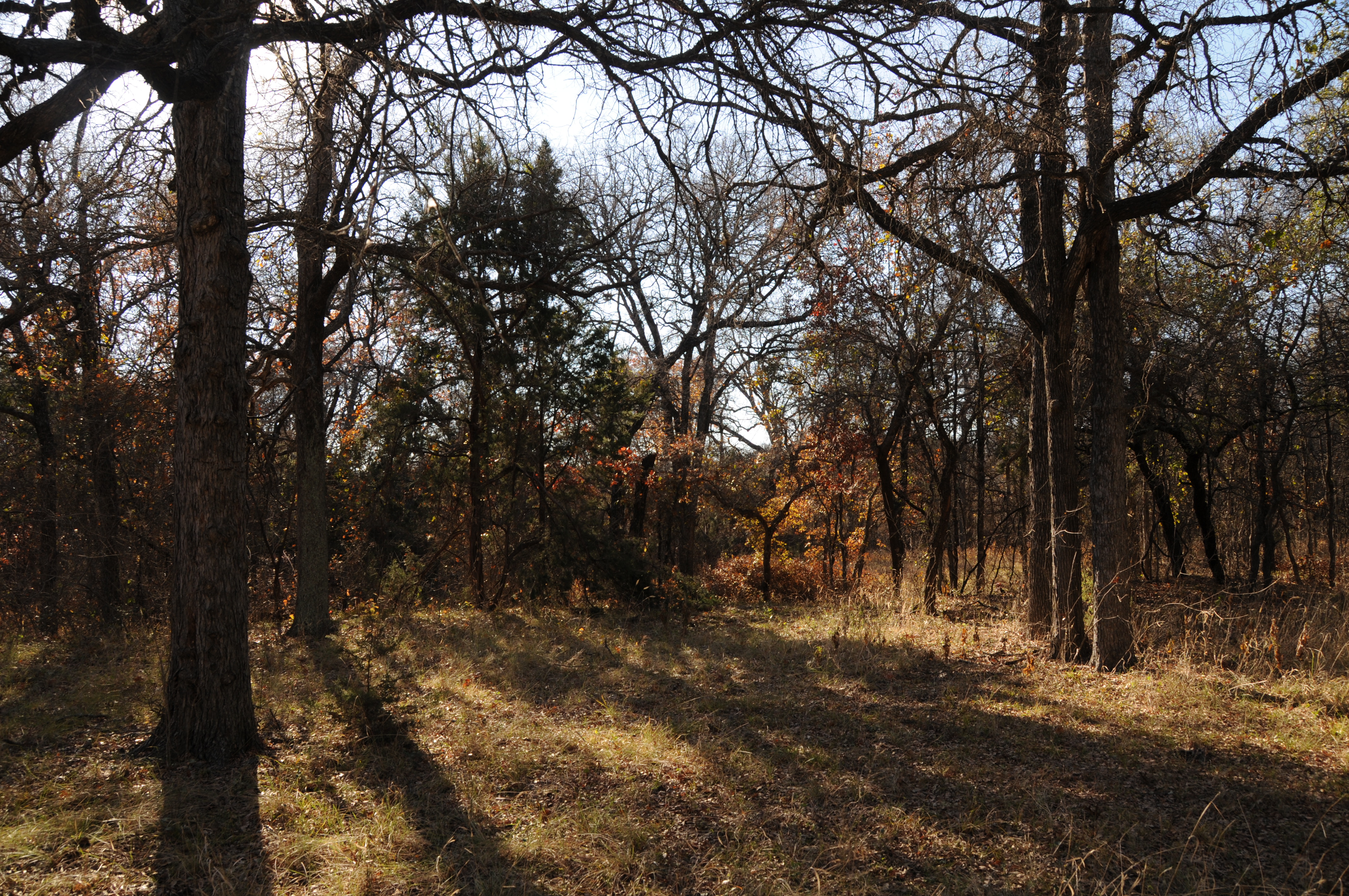
In the tree grove alongside the creek, I notice shadows of trees are long, but it is only two o’clock in the afternoon.  This makes me fully aware, these long shadows, that it is nearly Winter and that the sun sinks lower towards the south until December solstice, a few days away.  In the low underbrush, two wrens feed, each starting at the top of the bush and making their way down towards the ground, spiraling downward, gravity’s pull upon their browsing.  I was aware of the calendar, December it is, but the natural effect of being outdoors and seeing the long, long shadows of elm, ash and oak force my day into the truth of the season changing to Winter.

As I walk with short breaths up the road and into the edge of the far field of native grass, I hear the surprise.  I hear the call of the Sandhill Crane above me — a gentle warble of sorts — and I look intently, but cannot see the flock flying south.  I hear them, once, twice, three times.  I take a photograph of side-oats grama grass, turn around, retrace my path, avoiding the mallards on the stock pond still quacking, and come home.

I come home because I have seen what is out there and what is changing.  And, I have been surprised at life soaring in the wild.

______________________________

Notes:

The date of hearing the coyote at night is December 8, 2010.  This post was composed the next day.

The bird in the barn alleyway is most likely a flycatcher.  I looked it up in the Petersen, but could not find a precise description or photo.

Correction: “Sandhill” Crane, not Sandhills.  Also, “grama” grass, not gramma grass.

10 Comments

Filed under Field Log, Life in Balance

Gathering mistletoe in December

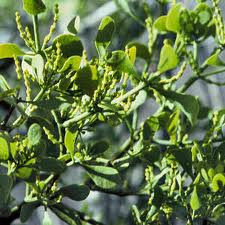
Oklahoma floral image mistletoe

In the 1940s and 1950s, I grew up in central Texas, playing and working about the counties of Brown, Mills, San Saba and Lampasas.

Although born in Brown County, my family spend a great deal of time visiting relatives during the holidays in San Saba and Lampasas Counties.  The Colorado River and San Saba River formed the backdrop of my childhood and early teen years.  During December, I often stayed a week or two with my grandmother who lived first in Bend, Texas, and then Lometa, a few miles away from Bend where she worked as a telephone switchboard operator for the communities.  The switchboard was in her living room.  Her name was Effie Morris Parks and she taught me much about living off the land, or at least using nature’s products from the original source, not a supermarket.

Grandmother Effie, as I called her, steered me in the month of December to harvest and collect two things:  mistletoe and cedar.  Cedar is still harvested, but the gathering of mistletoe with its poisonous berries to frock the door portal seems to have vanished from holiday culture.

She had a green Chevrolet pickup.  We would drive the pickup down dirt county roads and pull up next to a tree, usually mesquite, that would have clumps of deep green mistletoe with white berries.  We would knock down the mistletoe with long bamboo poles that we also used to gather pecans in the Fall.  Either that or I would climb up the tree and break off the fungus.  Then we would gather the mistletoe and place it in the bed of the pickup until the pile topped the rails.  We had to be careful to preserve the white berries because that improved the price we would receive.  We drove to San Saba or Lometa and would sell the mistletoe at the mohair and wool congregating store.  We would make upwards of twenty dollars and during the rest of the season, I often thought I saw what we had collected in small, cellophane packages sold in grocery stores in Brownwood.  I doubt that was the case, but I felt rather pleased that I had helped make holidays brighter for someone.

I chopped cedar only once or twice as a boy and it was grueling work, but during December the weather was cold and going into the cedar breaks to cut wood did not seem as brutal as it was chopping cedar in the summer.  Grandmother’s friends would take my cuttings — not very much, I’m afraid — and I would have a few dollars to spend during the holidays.  The cedar choppers I worked around were all muscled and strong and I envied their chopping expertise.  I learned how to cut staves versus good thick fence poles.

My grandmother Effie also gathered water cress, pecans, killed and plucked her own chickens, and during the late summer we would take the green Chevrolet and collect wild Mustang grapes that she would turn into jelly to consume on our breakfast table and give to friends.  The tartness of the Mustang grape is like no other.

But it is the memory of harvesting and gathering of mistletoe and cedar with Grandmother that stays with me today during the holiday stretch.  I scraped my arms and got stuck by mesquite thorns.  Despite it all, I grew up knowing nature intimately during the cold of December with my grandmother as teacher.

17 Comments

Filed under Bend Texas, Cedar, Christmas, Juniper, Life in Balance, Plants and Shrubs, Recollections 1942-1966, San Saba Texas

Magpies Coming Day

Magpie photo by Martin Meyers of sierrabirdbum.com

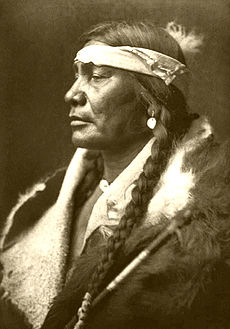
COMING DAY.  A favorite among the Gros Ventre near Fort Belknap, Montana, was Coming Day, who in 1937 was more than eighty years old and still maintained his reputation for fearlessness.  In his prime he rode joyously in the white man’s “devil-bug,” that sputtered and smoked and traveled like the wind without the use of ponies.  In August 1936, he boarded the white man’s “thunder bird” during the reservation fair and waved gaily to his quaking comrades.  When the plane was at an altitude of several thousand feet he exhorted the pilot in the Gros Ventre tongue to go higher.  “As yet,” he shouted scornfully, “we are not to the height where flies the common magpie!”

Montana: A State Guide Book, Works Progress Administration Guide Book Series (1939)

Fort Belknap sat on the lower lands of Montana, but the magpie inhabits the mountain, higher in elevation than the fort.  Coming Day spoke to that fact and more.  I have seen magpies at 9,000 feet in the Sangre de Cristo Mountains of New Mexico, as I laboriously put one foot in front of the other, daring to the climb the Truchas Peaks.  The magpie is a creature of nature, the plane an invention of man, each finding ways to cut through air and soar.  Both bird and plane are worthy of praise, but for me and probably for Coming Day, the magpie will always fly higher.

* * *

Flying on an extended world vacation in the 1960s, Georgia O’Keeffe painted Sky Above Clouds IV after she returned to the United States.  It is her largest painting (8 x 24 feet) and is at the Art Institute of Chicago.  When I flew to France in 1996, I saw ice floes, glaringly-white, in the far North Atlantic that looked like clouds on the ocean, reminding me of O’Keeffe’s painting and stripes of white on magpie wings.

______________________________

Notes:

See also Archie Hobson (ed.), Remembering America: A Sampler of the WPA American Guide Series, New York: Columbia University Press, 1985.

In this quote are themes worthy of extended commentary — technology collides with Native American interpretation, native language re-describes new technology in colloquialisms and the valuable capture of local color in the American Guide Book Series by writers in the 1930s.

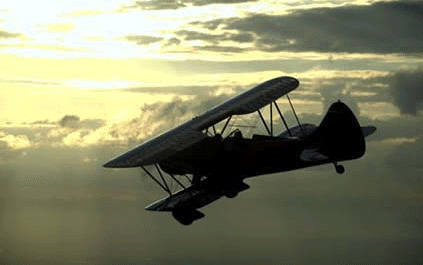
The published Montana guide book did not have a description of the plane that carried Coming Day into the sky, but the Waco biplane inserted below would have been a possible aircraft  since the Waco was being built in the 1920s, a decade before the Gros Ventre fair of 1936.

Waco biplane photo by Mike Fizer freylia.net (2003)

9 Comments

Filed under Nature Quote of the Day

Naturalist quote of day: Krakauer on Devils Thumb

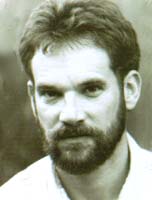
John Krakauer by newhum.com

All that held me to the mountainside, all that held me to the world, were two thin spikes of chrome molybdenum stuck half an inch into a smear of frozen water, yet the higher I climbed, the more comfortable I became.  Early on a difficult climb, especially a difficult solo-climb, you constantly feel the abyss pulling at your back.  To resist takes a tremendous conscious effort; you don’t dare let your guard down for an instant.  The siren song of the void puts you on edge; it makes your movements tentative, clumsy, herky-jerky.  But as the climb goes on, you grow accustomed to the exposure, you get used to rubbing shoulders with doom, you come to believe in the reliability of your hands and feet and head.  You learn to trust your self-control.

Jon Krakauer, climb on Devils Thumb, Alaska, Into the Wild, p. 142 (1996)

_____________________________

Notes:

Jon Krakauer, Into the Wild, concerns the wilderness trek of Christopher McCandless into the Alaskan back country, ending in his death.  Krakauer, in the quote I have excerpted above, juxtaposes his own experience on the side of Devils Thumb with that of McCandless.  Krakauer came out alive.  Unfortunately, McCandless did not.

Addendum, November 27, 2010:  If you have not clicked on the hyperlink to Devils Thumb, do so because it takes you to the Google map in Alaska.

9 Comments

Filed under Adventure, Nature Quote of the Day

Naturalist quote of day: Aldo Leopold on danger of not owning a farm

There are two spiritual dangers in not owning a farm.  One is the danger of supposing that breakfast comes from the grocery, and the other that heat comes from the furnace.

To avoid the first danger, one should plant a garden, preferably where there is no grocer to confuse the issue.

To avoid the second, he should lay a split of good oak on the andirons, preferably where there is no furnace, and let it warm his shins while a February blizzard tosses the trees outside.

Aldo Leopold, A Sand County Almanac (1949)


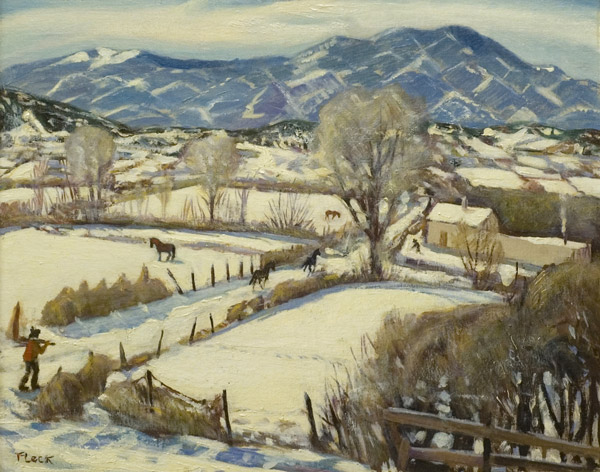
Winter by Joseph Fleck (Taos Art Museum and Fechin House)

______________________________

Notes:

Painting of Joseph Fleck associated with the Taos Art Museum and Fechin House.

See also Taos Painter Joseph Fleck.

Related Articles

7 Comments

Filed under Life in Balance, Life Out of Balance, Nature Quote of the Day

Listening to the Fredericksburg Cypress

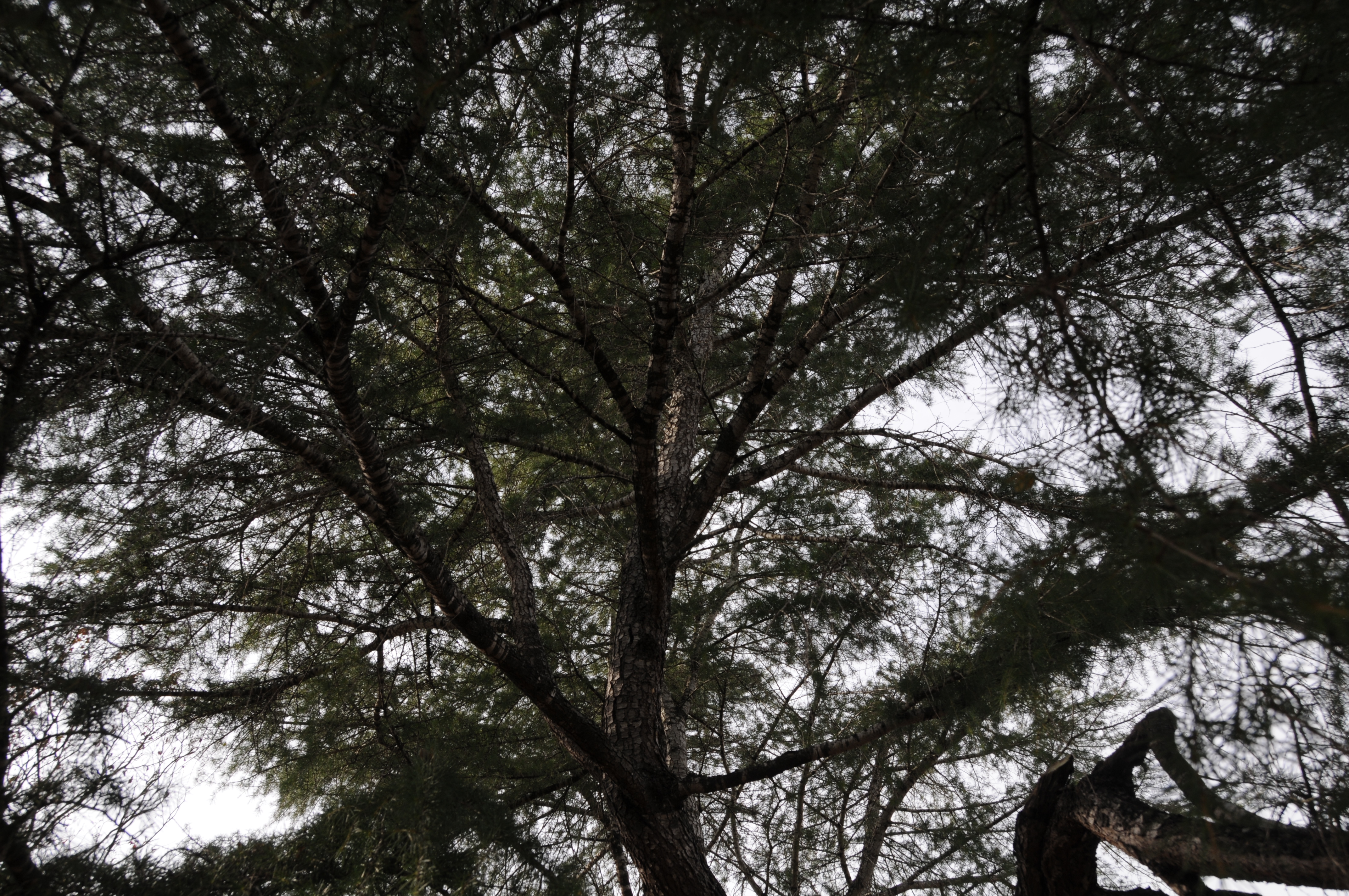
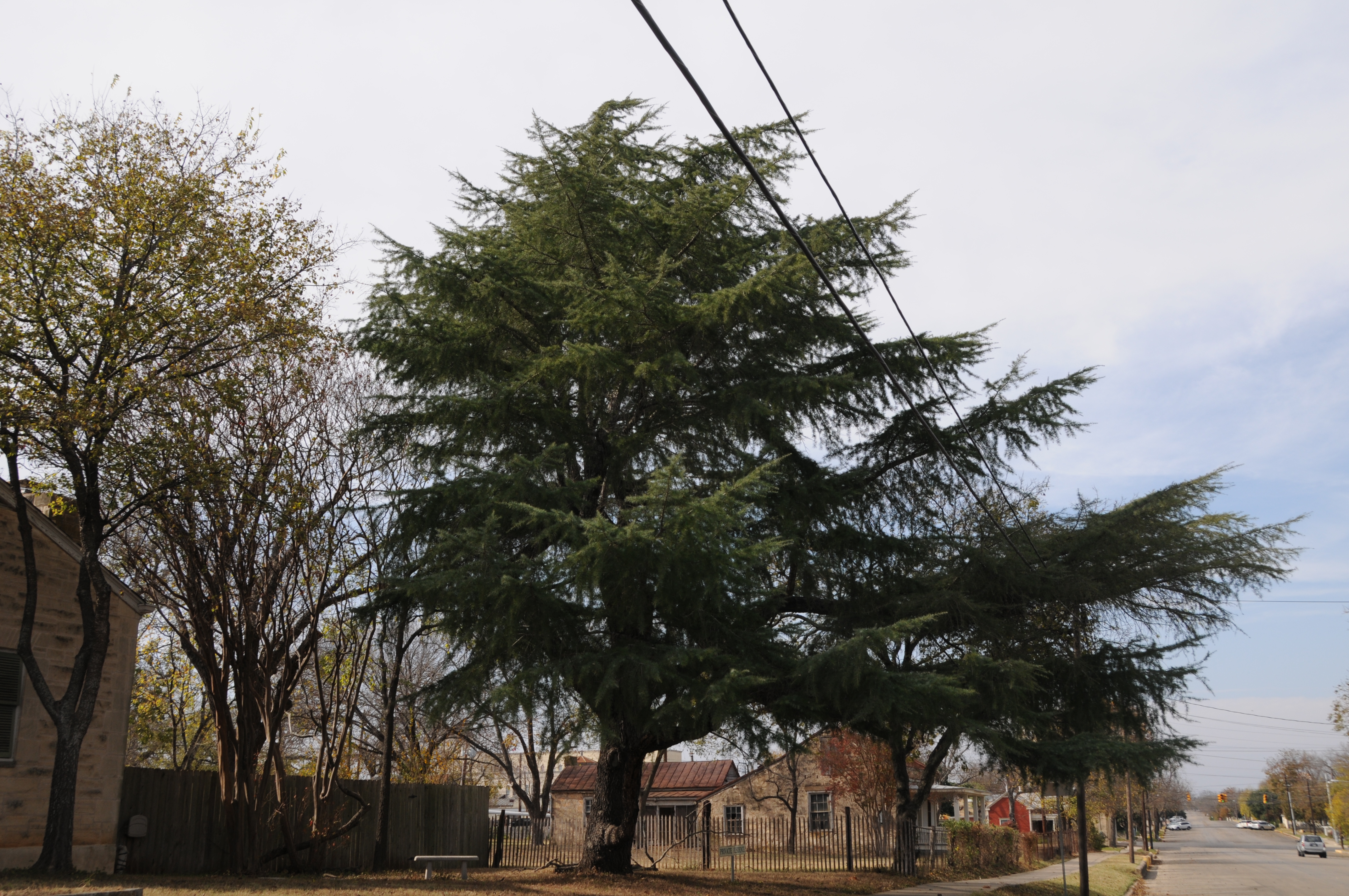
Mexican Cypress tree on Thanksgiving Day (2010)

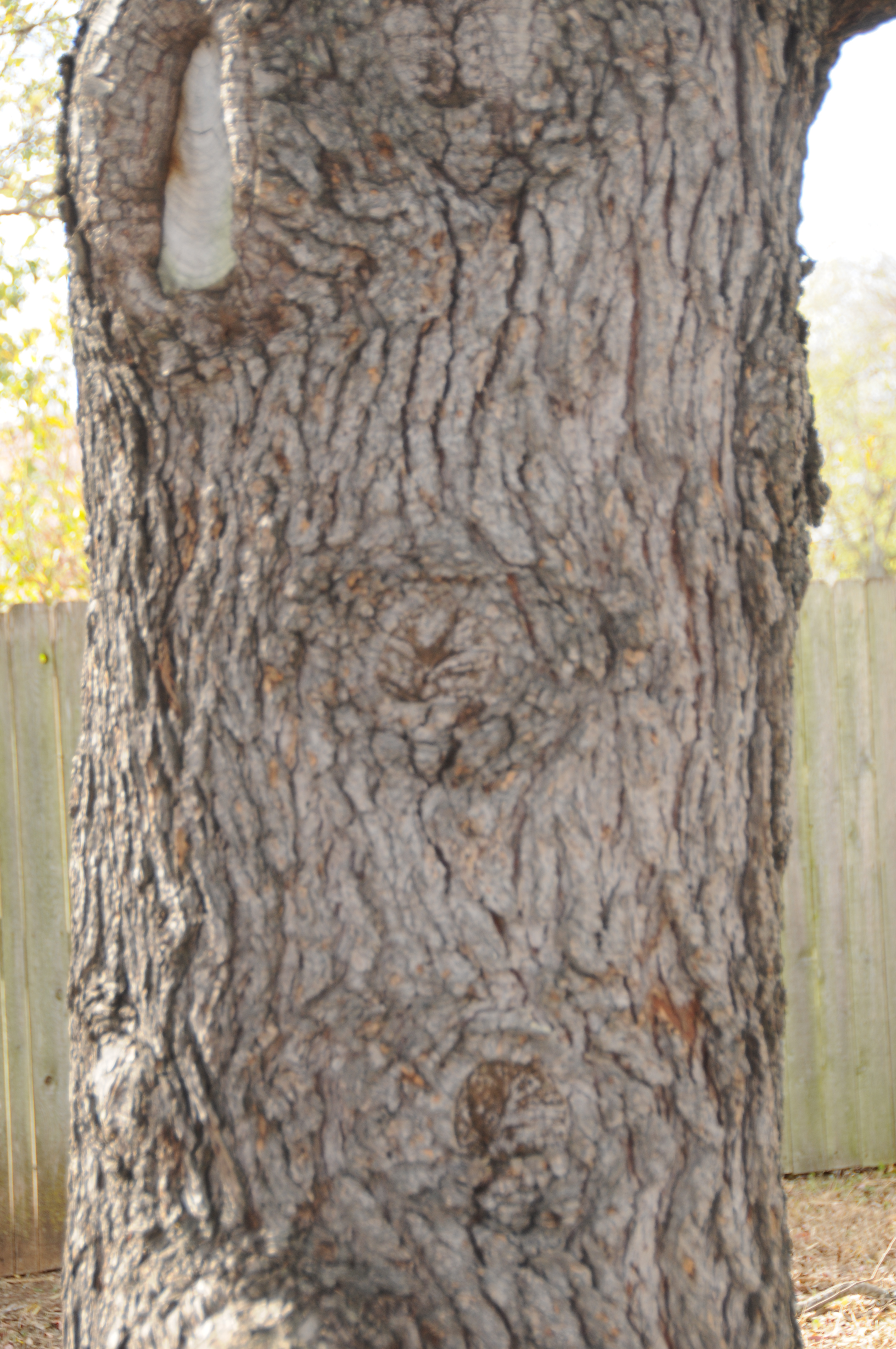
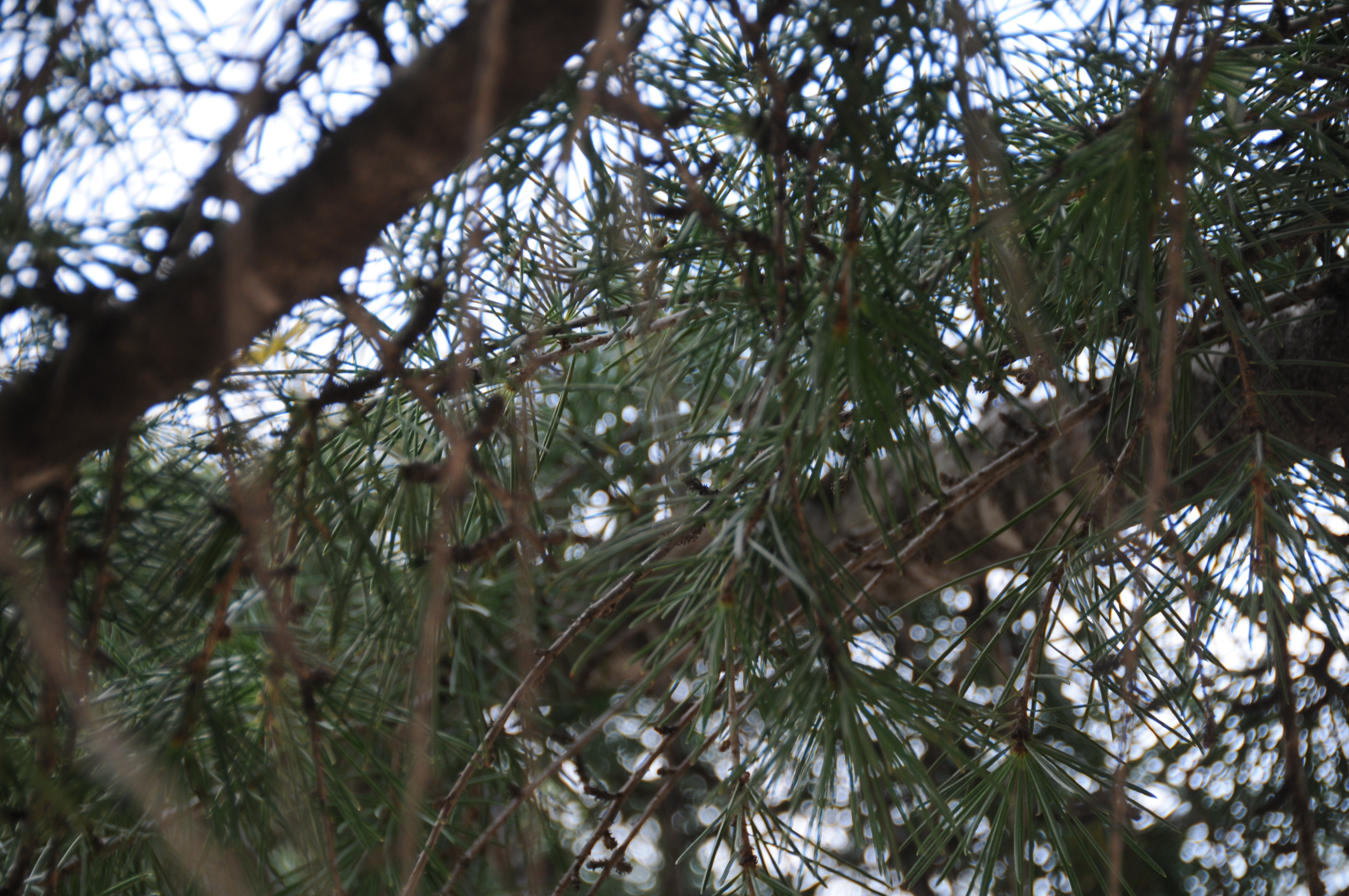
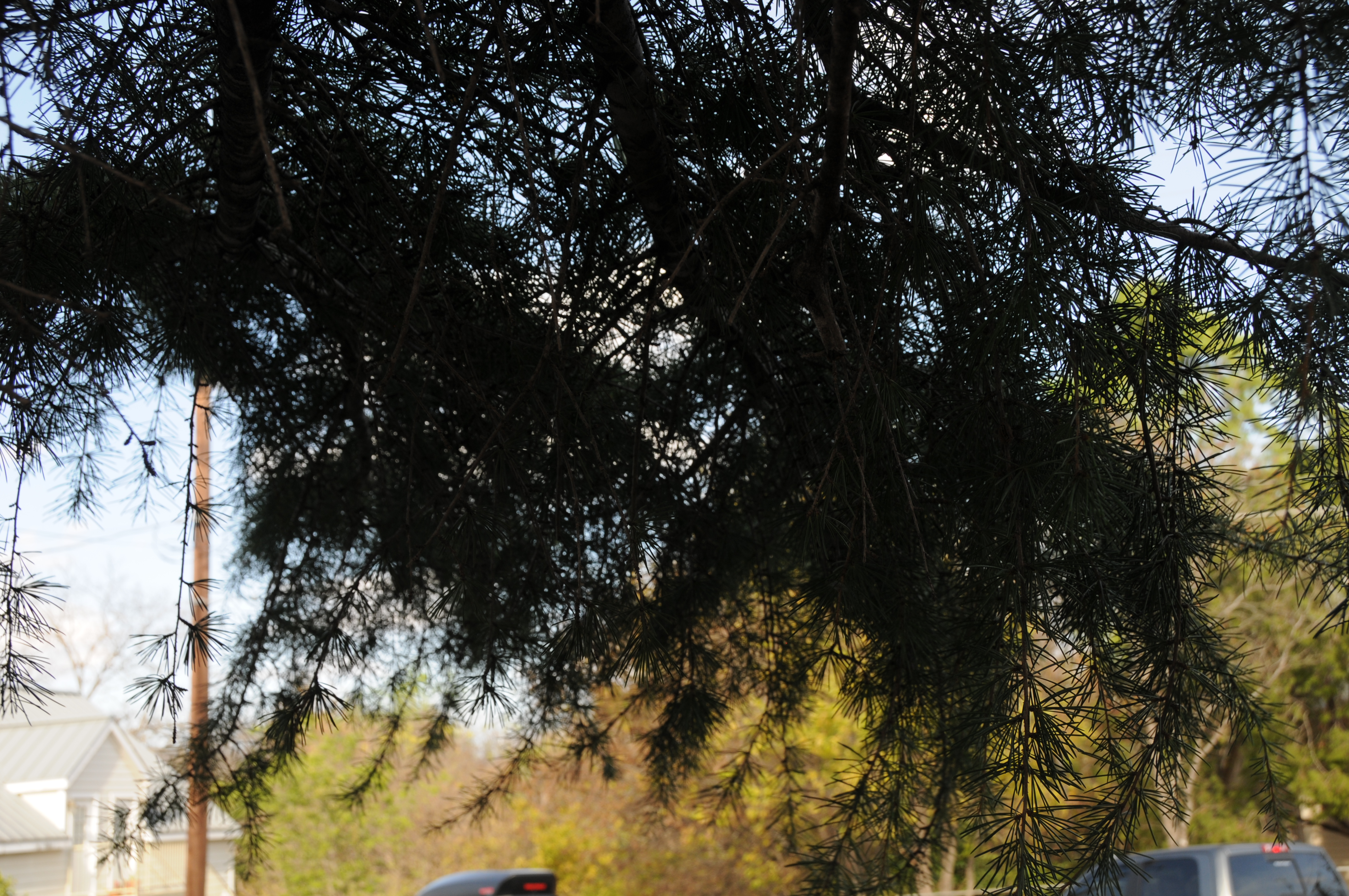
Earlier today, I wrote the post below about identifying the tree pictured in this post.  I have since identified it as a Mexican Cypress tree.  Brenda and I drove back to the tree before we had our Thanksgiving dinner at August E’s in Fredericksburg, and as soon as we rounded the corner, she said, “That’s a cypress.”  I snapped more photographs and have factored attributes so that I am reasonably confident that this is a Mexican Cypress.  Other exotic nomenclature includes Montezuma Bald Cypress, Sabino, Ahuehuete and Cipres.

* * *

On one plane, I identify the tree because it is scientific to do so, giving a living thing a name that can be recognized across the community of naturalists so as to place it, give it provenance.  It is curiosity that prompts me to go back to this living, breathing organism and know its name, history and classic place in the scientific literature.  I might, in researching, find that this Mexican Cypress has healing qualities from its sap, its perfume.  It may even be a thing I would lace about my neck so that its scent alleviates anguish, propelling kinship with an organism that does not march across Texas, but sits still, in the yard of an old German land grant, most patient, most alive and most still.

On another plane, different and perhaps redemptive, is the search for connection in nature, in a world that seems so repelled by these things — trees, wild animals, un-managed waters — that all things wild are seen as a cropping, a harvesting opportunity.  I find that the cypress tree tells me something 1000 fathoms deep in the sea.  It says, I am the shade for your cattle, for your family reunions and my timber will eventually be your table, even your fire to warm you.  But, I will do those things only if you choose me to do so.  I will remain complacent and here until that day you choose to use me or ignore me in your work.

The cypress tree is named Mexican Cypress and is forty-feet tall, but it tells us something beyond the graph paper of science.  Are we listening?

The following photographs were snapped on Thanksgiving Day, my second effort at identification, giving rise to the above post.

______________________________

The post that follows below was written earlier today.

Before identification, one of two photographs that started the identification process (photographed the day before Thanksgiving, 2010).

In 1846, German immigrants settled Fredericksburg, Texas.  They brought seed and domesticated animals, planting corn most quickly.  I am in the town — population about 4,000 — and have been walking through older sections of town and I came upon this tree, pictured above.  It’s a most unusual tree, but I live 180 miles north of here in another life zone, so I am unaccustomed to the botany here.  I will continue this post later today or early in the morning with more photographs, but for now I am stumped on the identification of the tree.  I only have two photographs and the above shot is the best and it’s not all that good artistically or for the field record.  It’s all I have at the moment.  I did not get stimulated to type this until I couldn’t find botanical attributes quickly.

At this moment, I have one possibility:

Montezuma Bald Cypress, Mexican Cypress, Sabino, Ahuehuete, Cipres
Taxodium mucronatum Description: Montezuma Bald Cypress is found from the Rio Grande River south to Guatemala, although it is uncommon to rare in Texas. The main difference between Montezuma Bald Cypress and Baldcypress is that Montezuma Baldcypress is evergreen and the male flowers are borne in long racemes, whereas common Baldcypress is deciduous and the male flowers are in short clusters. Since the extreme southern part of the state is the northernmost of its range, it has difficulty surviving winters farther north than San Antonio.

Fredericksburg is within the life zone for this tree.  What has me thrown off is the trunk of the tree that appears oak.  It may be a graft?

More later today.

______________________________

Notes:

Information from Native Trees of Texas, Texas A&M University, see link on my pages.

Related Articles

6 Comments

Filed under Field Log