Tag Archives: Nature

Milkweed for Monarchs at My Place

IMG_3540

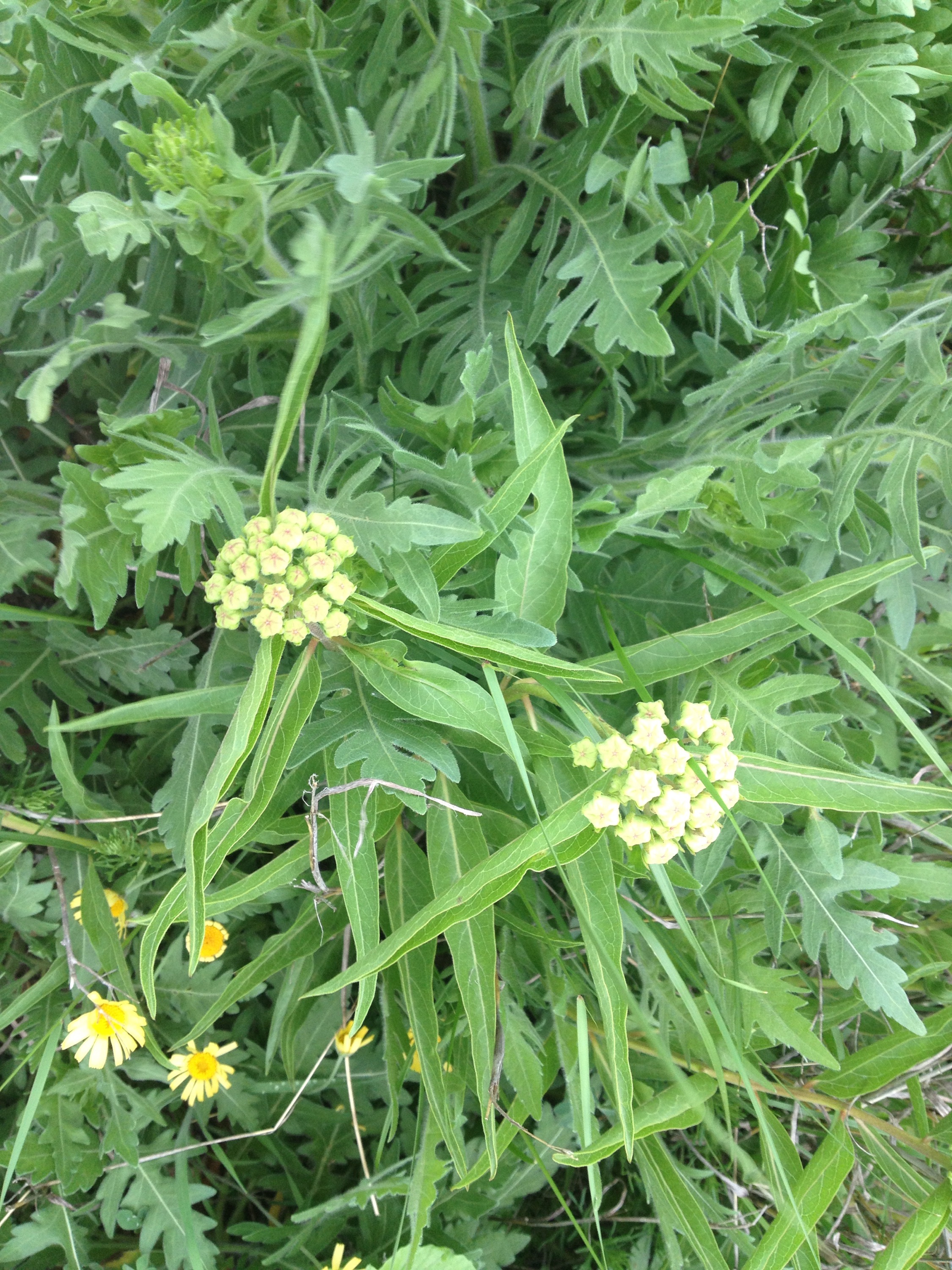
Milkweed Clusters

I have located three milkweed clusters since 2003 on my place–central Texas, Erath County. Today I sought the three clusters again, one directly in front of the house, one alongside the road to the barn, and the cluster in the far field, one-quarter of a mile away. I found only the cluster photographed above–the cluster beside the road to the barn.  I found no milkweed in the far field nor in the front yard.  I believe that this spring has been mild so far and some heat is needed to bring out other patches of milkweed. Today, as I walked the fields, I discovered a large Monarch in the grove that soared out of the grass and into the sky above the trees.  A huge Monarch, one the largest I have ever seen.  Then as I finished my field trip, in the front yard, a Monarch flitted above the cut-leaf daisy and lawn grass. Two Monarchs, one patch of milkweed that has ten clusters of blossoms (you can only see seven in the above photograph)–definitely an event to be recorded for 2015. I will continue to monitor the milkweed and Monarchs, posting the field trips I take to far and near fields on my place.

IMG_3541

7 Comments

Filed under Life in Balance, Monarch Butterfly

Spring at Flying Hat: The Constant and the Transient

   It is spring at my place, Flying Hat Ranch or Ranchito, and I am not sad, even though it is said, “April is the cruelest month.”  I understand the sadness and lament, but yesterday I took several photographs of the constant and the transient forms on Flying Hat.

The constants are the live oaks and yucca.  You see them, they seem always present, but the blossoms of plants erupt, then fade out.  They are the “transients.”

Yet, as the blossoms drop off, transient as they are, I know their roots and stems remain.  That is constant, and given another year about this earth, I will see them again.

Transient, though I may be.


4 Comments

Filed under Flying Hat Ranch, Life in Balance

Rosemary and Star

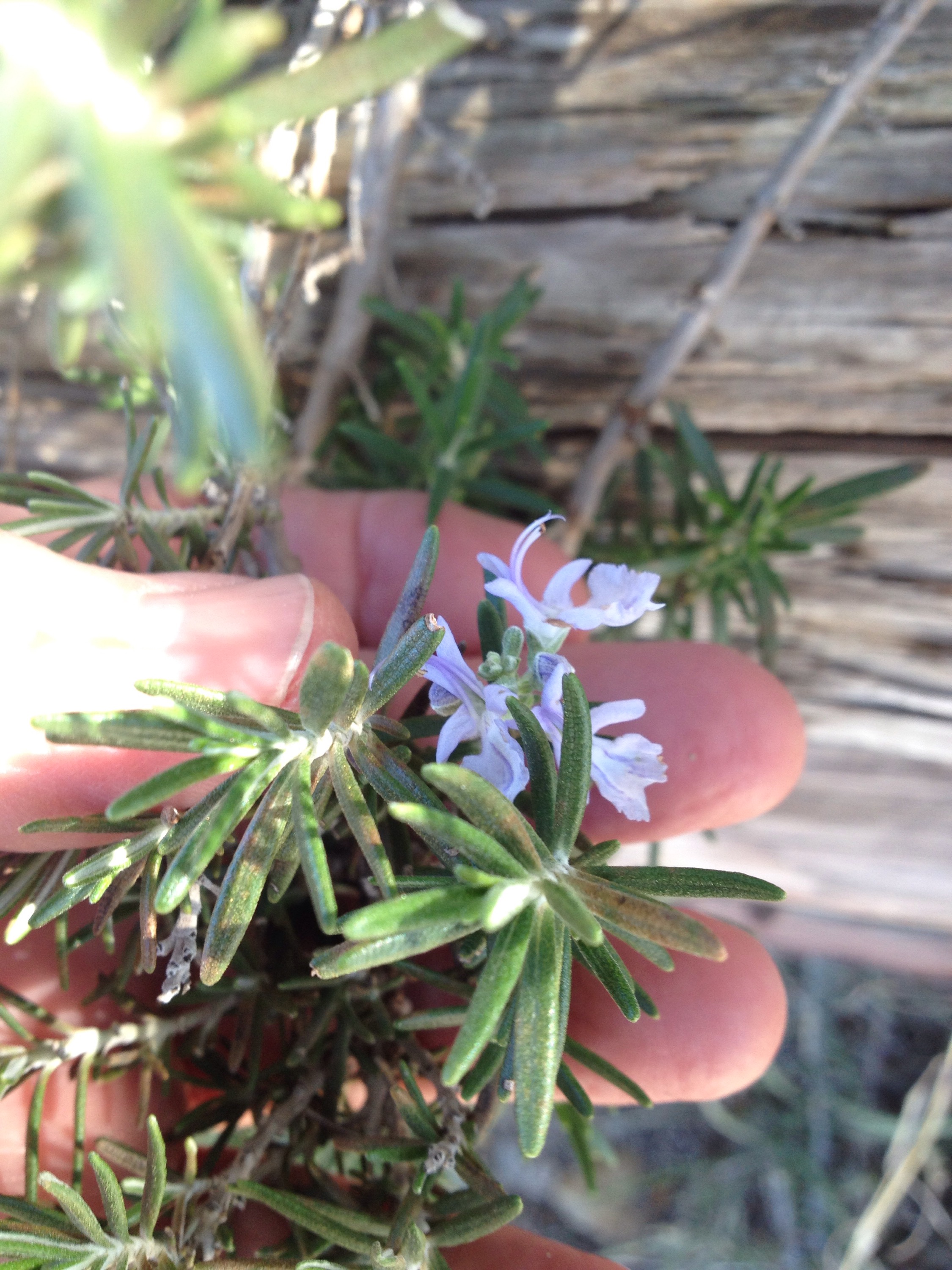
IMG_3308Here in central Texas, Erath County, we remain in a drought.  Since Christmas, however, rain has fallen and we do not have to boil our water before drinking.  The date for near-complete water extinction has been extended into the future.  No specific date for extinction has been given, but the February 15th date for extinction is no longer in effect.

In the photograph above, I hold a rosemary blossom, indicative of moisture in the air and soil about the large rosemary bush on the west side of the ranch house.  The scent of rosemary lingers on my fingers as I type.  I use the rosemary for several recipes, but I favor its use when I prepare a sauce for steaks or lamb chops.

* * *

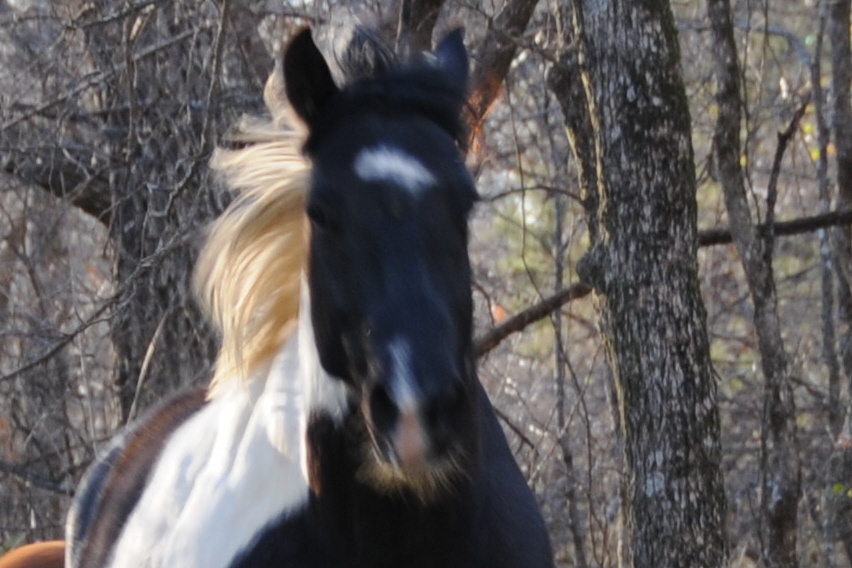
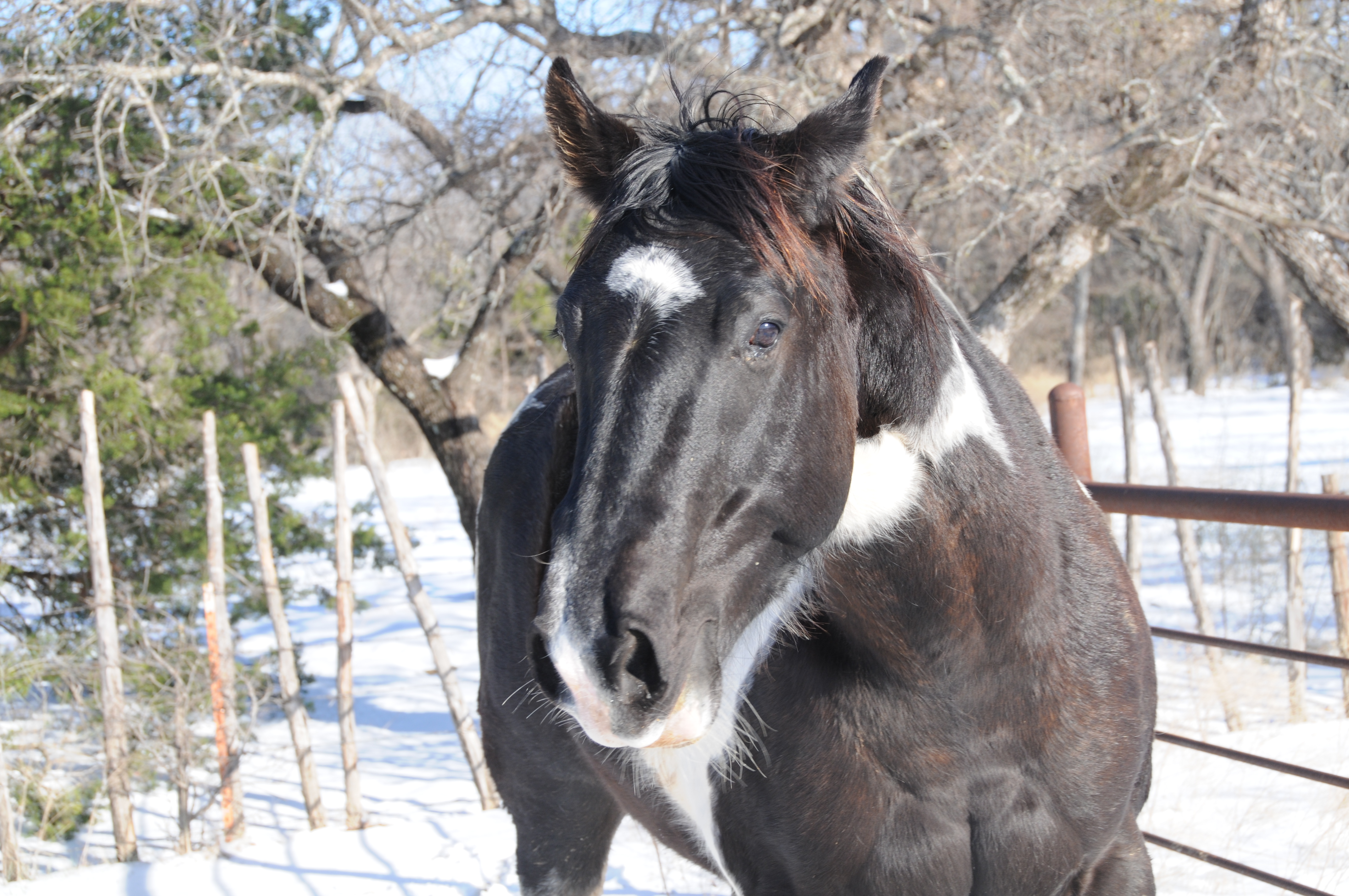
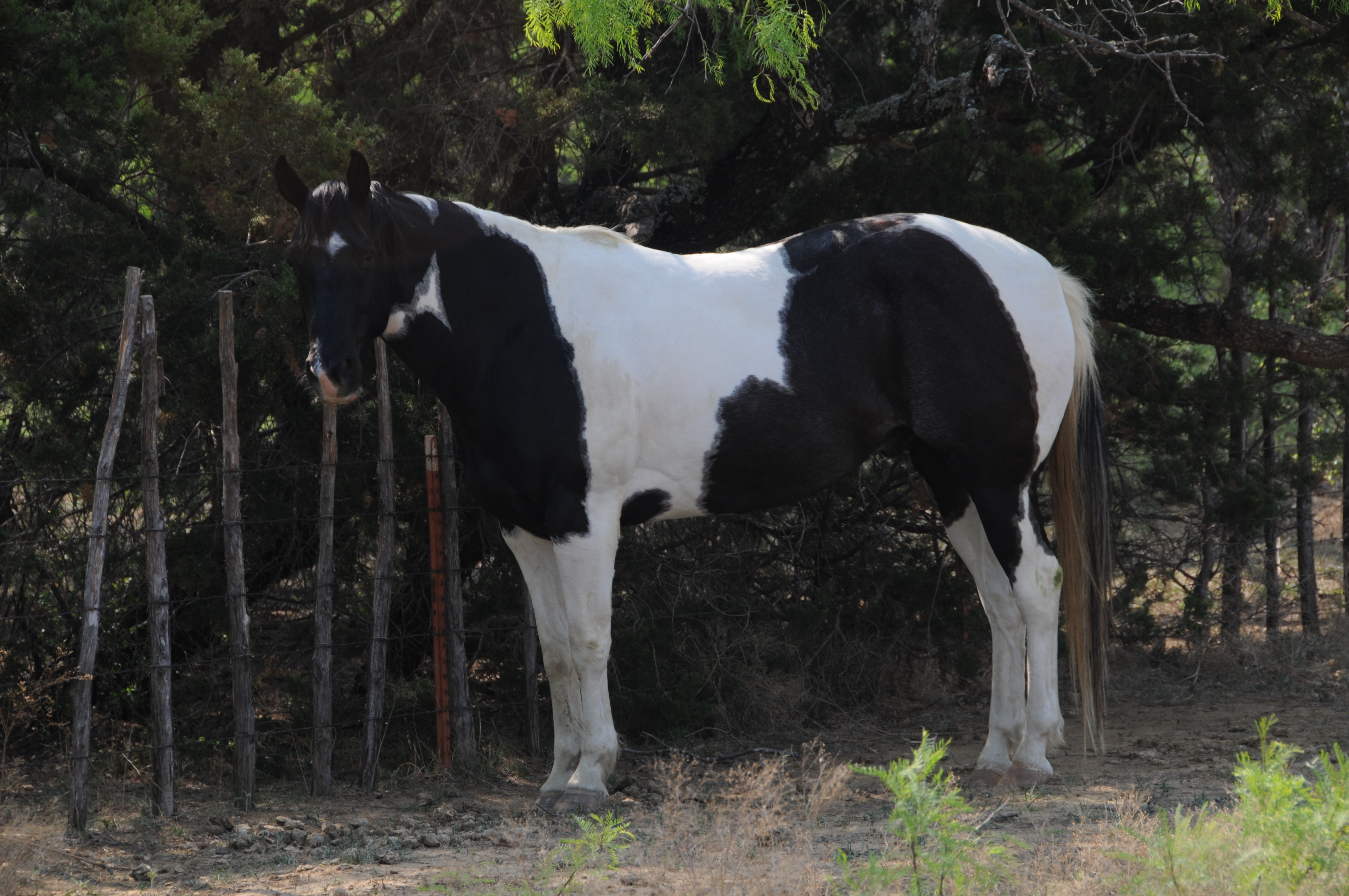
Before Christmas, my good horse Star died of colic.  The old boy was fourteen years old and in his becoming ill, the first veterinary I called to the ranch said he was a strong, stoical horse in that he did not lash out at us, his handlers.  Star was diagnosed at six in the evening and had to be put down at two o’clock the next morning at the Equine Sports Medicine and Surgery compound in Weatherford, Texas, where he was surrounded by three female veterinarians who took control and managed his passing.  Without being sentimental, I still look out my porch windows, even today, to see where Star is in the pasture.  Is he loafing under the mesquites?  I know he is not there, but I still look.

Star

Star Bars Moore will be just fine.

Star Bars Moore APHA 808164, loafing in arena pasture under mesquites.

Star Bars Moore APHA 808164, loafing in arena pasture under mesquites.


18 Comments

Filed under Life in Balance, Plants and Shrubs, Star

Sunlight in stalls

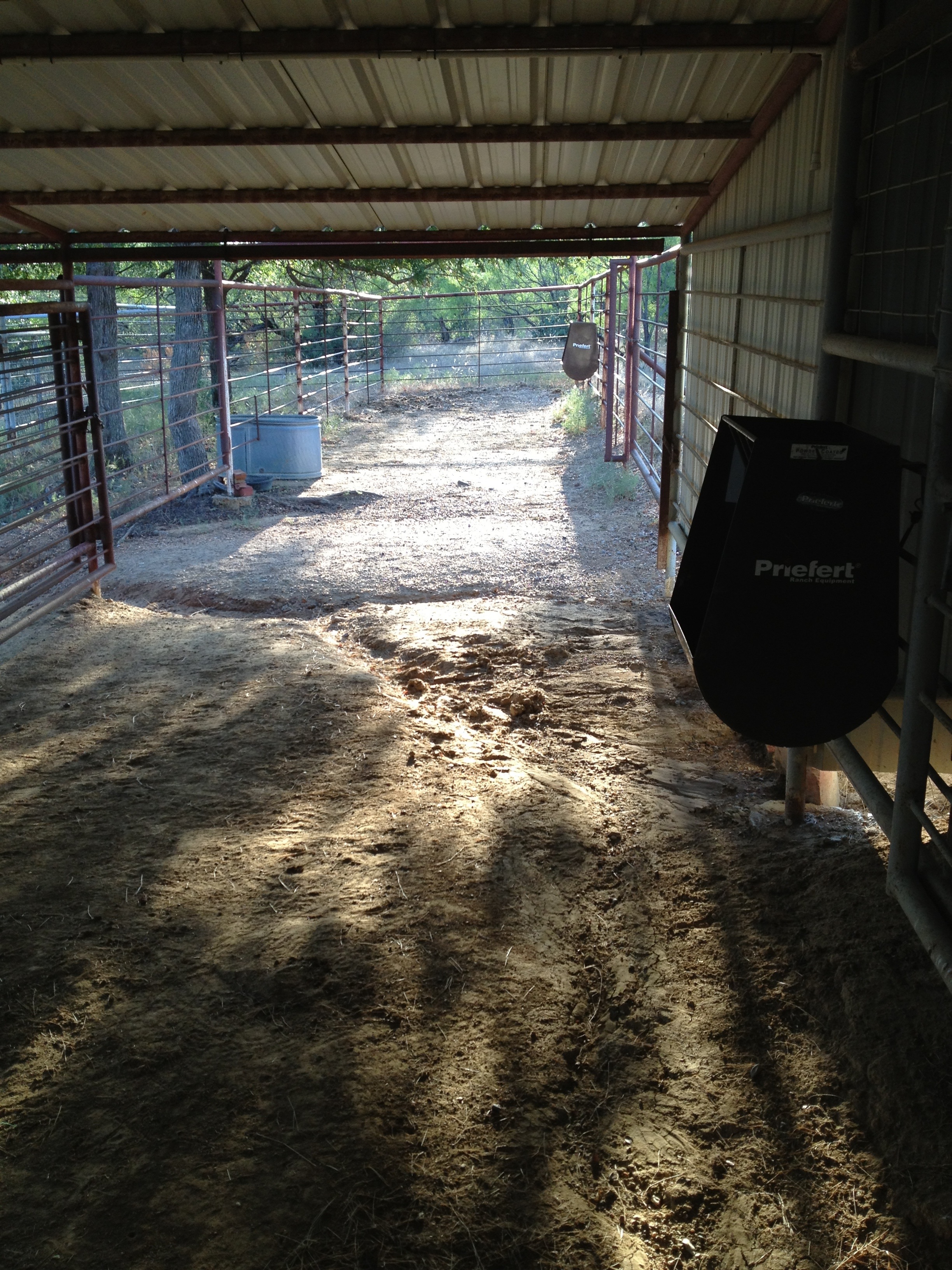
As I finished throwing hay to Star, I saw this sunlight in stalls and thought it artful.

20130914-131628.jpg

8 Comments

Filed under Flying Hat Ranch, Horses

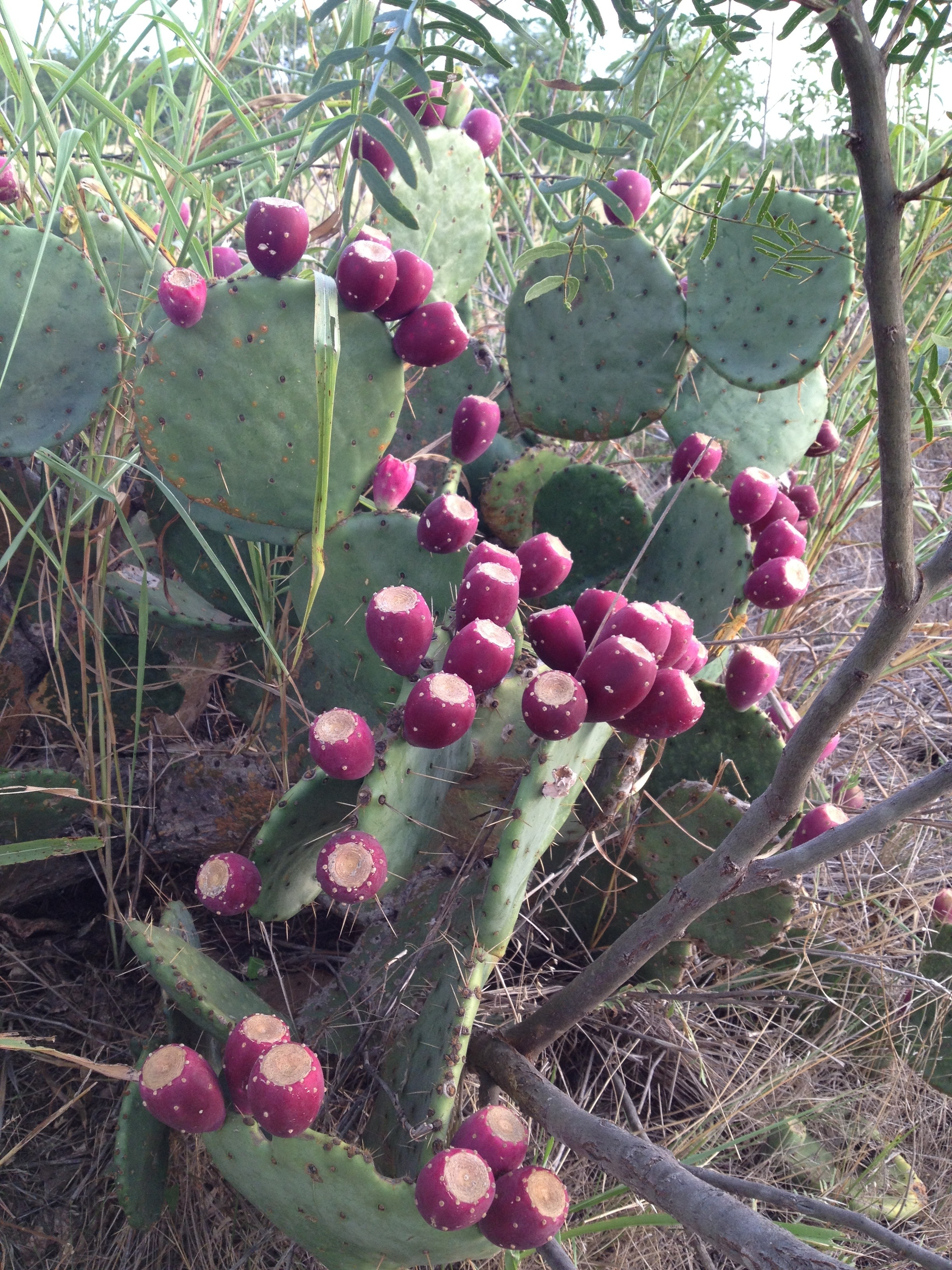
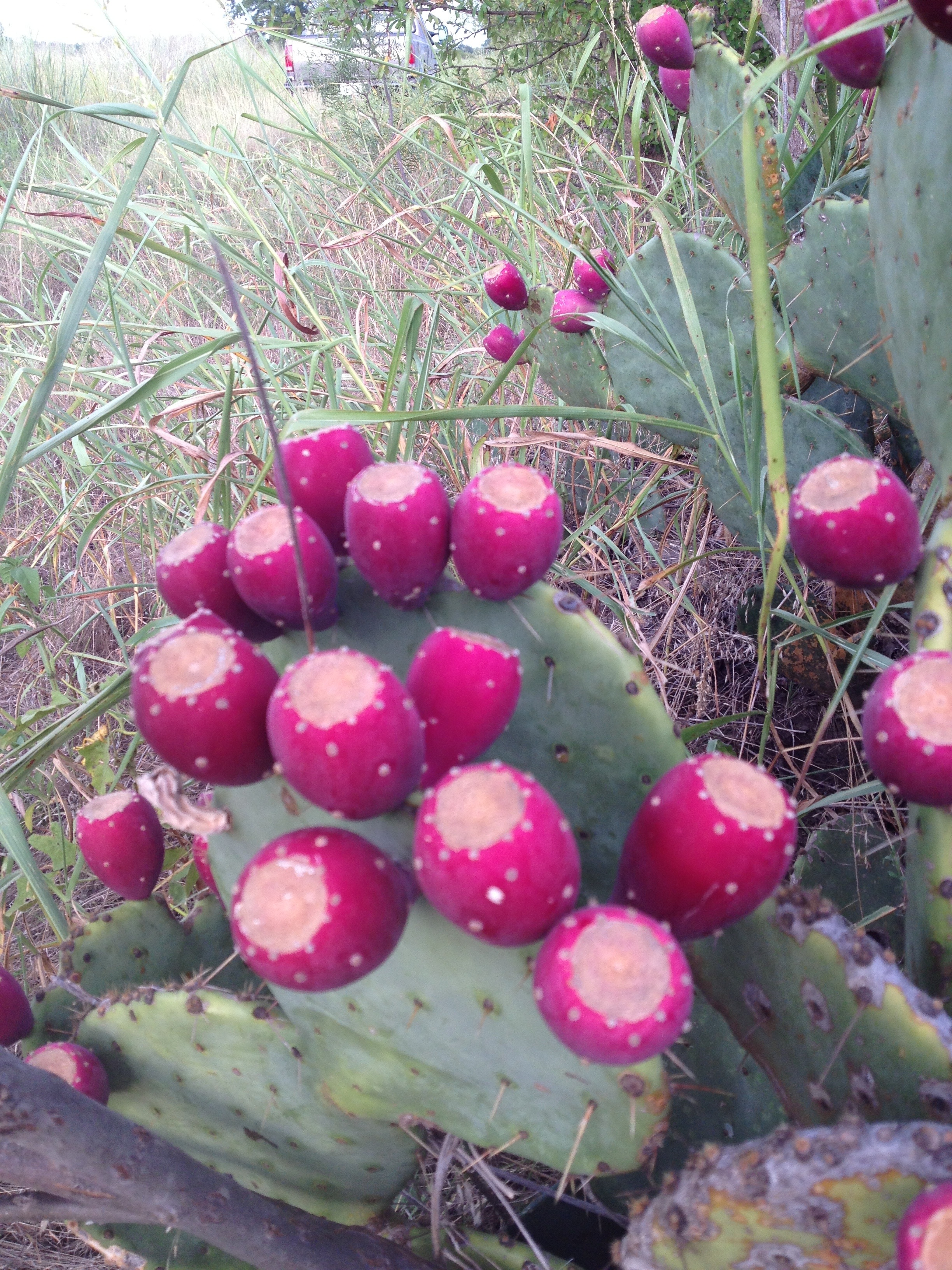
Prickly pear fruit

There is a super-abundance of prickly pear fruit this year. I have never seen the eruption of fruit like this year. I buy an Italian sweet soda made of prickly pear. ‘Tis the season! It is 102F in field at 7:04 p.m.

20130901-185959.jpg

20130901-190052.jpg

16 Comments

Filed under Life in Balance, Plants and Shrubs, Salt Creek, Succulents

The drumming lover: the plight of the Gunnison sage grouse

Grouse

SEVERAL springs ago some friends and I arose before dawn in Moab, Utah, to witness the sunrise mating dance of the Gunnison sage grouse: a surreal display of nine ornately plumed, chicken-size birds tottering about amid the sagebrush like windup toys, fanning their spiky tails and uttering a magical sound — “pop … pop-pop!” — as they thrust yellow air sacs out of their snow-white chests.

The Plight of the Gunnison Sage Grouse – NYTimes.com.

Read the rest of the article and support adding the Gunnison sage grouse, the drumming lover, to the endangered species act.

On the matter of we people expanding into the wild, the veld, we decide whether to deep clean and cultivate assiduously the earth or whether to leave unturned and uncultivated the earth upon which we trod.  In between this binary choice–turning or not turning the soil–there is no middle ground.  This choice is one of those locked-down moments of either-or, either alive or dead, nothing in between, either turning the soil for cultivation or leave it alone.

Therefore, to keep alive and robust the biota of this good earth–the Gunnison sage grouse, for example, –we must as a people, as temporary tenants of this space, here and now, leave sufficient areas of territory for species to live, to roam, to rest, to raise families.  Yes, we need to cultivate land as well, but large tracts of it?  At the expense of destroying major habitats?  In response to all living things, therefore, let us ratchet down, pin down less tightly, our clearing land and cutting trees and brush, so that we as a people can rise early in the morning and attend the dance of life in those spaces we have tenderly set aside.

(To be continued, The post-industrial order.)

14 Comments

Filed under Birds, Life Out of Balance

Winter lingers

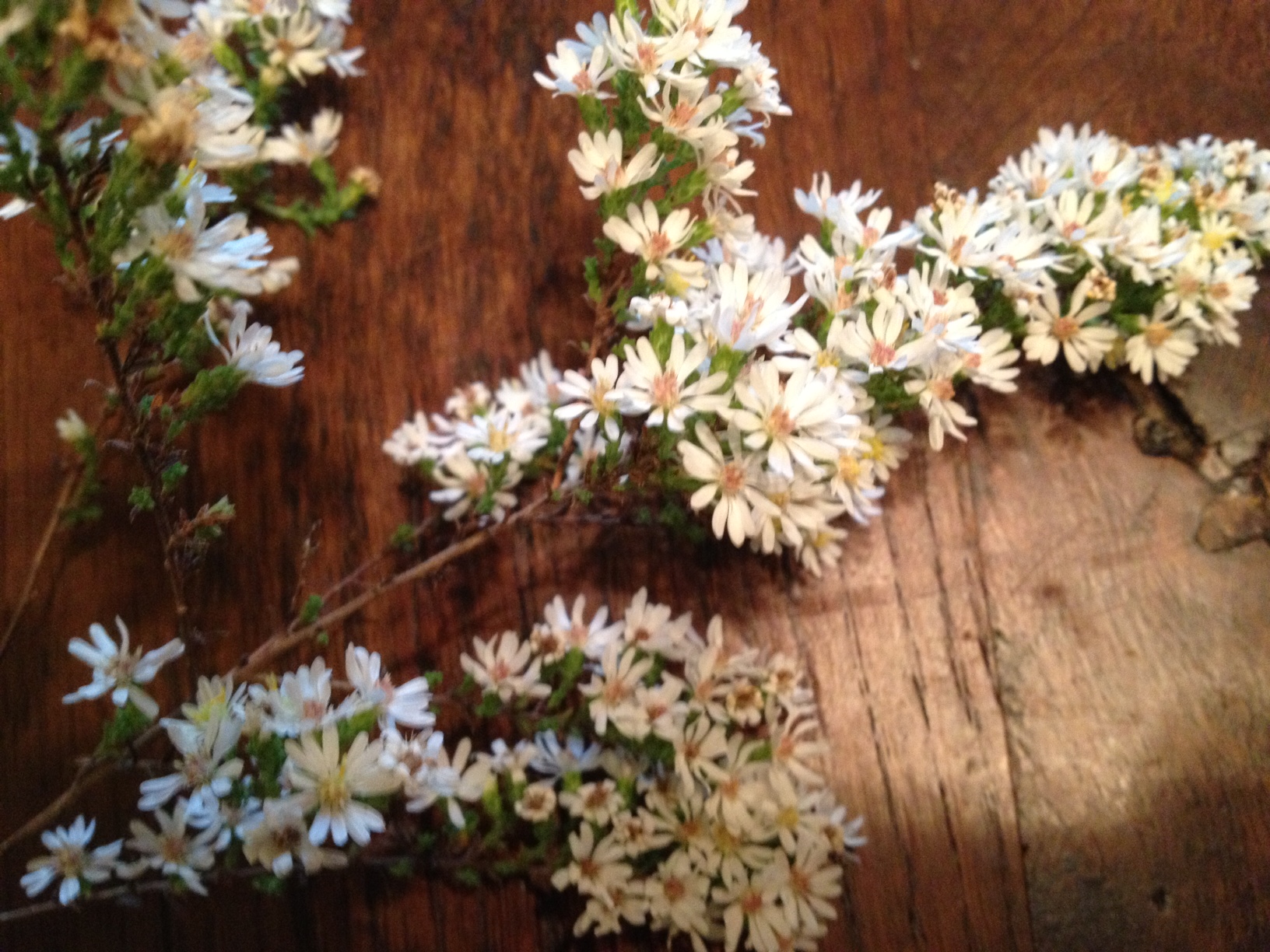
In the late fall, my whole front field appeared as snow with these flowers.

In the late fall, my whole front field appeared as snow with these flowers.

Winter lingers in north Erath County, Texas.  Grasses remain brown, although buffalo grass emerges through dead grass of the late fall freeze.  My paint gelding, Star, has lost weight and his laminitis has remitted completely.

New neighbors, the Stroebels, have moved onto the land to the southeast.  The husband is an English teacher.  The wife is an engineer, originally from eastern Europe.  At the first instance, I like them.  They purchased the five acres mainly for the new stone house.

By my stated goal a few months ago, I have only a month or so before my photographing all flowers on my place comes to an end.  I know I have missed some flowers over the last eleven months, but I think I have captured many.  Some flowers, like the wine cup, did not unfold last spring so they fell outside my range, but not my thoughts.


18 Comments

Filed under Flowers of Flying Hat

Quixote and Flowers of Flying Hat (43-46)

While in Santa Fe this summer, I found Don Quixote’s image in the clouds.

Meanwhile, back at the ranchito, prior to a rain, the sage bloomed on the terrace.

I have also included four more blossoms on the ranchito.  For the last three days, it has rained and even tumbleweed has blossomed!

Don Quixote in the clouds, Santa Fe, 2012

Blooming sagebrush, Summer, 2012

11 Comments

Filed under Flowers of Flying Hat

Fogfruit or Frogfruit: Art and whimsy

On the Lady Bird Johnson Wildflower Center website, botanists answer questions from the laity — you, me and other interested observers of things botanical. Wild Bill of Wild Ramblings asked me where the common names, Fogfruit and Frogfruit, emanated. For the moment, Wild Bill — and others –, this is the best answer I found. Yet, the question of origin requires more research.  The Oxford English Dictionary (OED) is a good first start.

The OED cites:  ‘1866   J. Lindley & T. Moore Treasury Bot.,   Fog-fruit, an American name for Lippia nodiflora.’  I will have to go to the university library to find The Treasury of Botany, but at least I have a title to search.  Nineteenth-century newspapers and periodicals probably have notations about common names, so I better dust off my microfilm reader at the office.  Oh, Bill, why did you have to ask that question?

33. Texas Frogfruit or Fogfruit

Common names are curious things.  While no one would bat an eye about a paper dissecting some arcane point of minutiae regarding Polygonum orientale, it’s difficult to imagine a crotchety old botanist standing before his peers at a professional conference and delivering a serious exposition on “Kiss-me-over-the-garden-gate.” Where botanical names are all about science and rules, common names are about art and whimsy.  Botanical names are about the sharing of information; common names are about conversation and pleasant communication.  Botanical names are neat and orderly, law-abiding citizens; common names are messy, free-wheeling, teenaged scofflaws.

All of that is a way of saying that “frogfruit” and “fogfruit” are like the old chewing gum ads – they’re “two… two… two mints in one!”  OK, Phyla nodiflora is not a mint, it’s in the Verbena family, but both common names are commonly applied to that species and several others related to it.  In fact, fogfruit probably even predates frogfruit as a common name by about 100 years (early 1800’s for fogfruit vs. early 1900’s for frogfruit).  Most likely, frogfruit arose as a common name from a mispronunciation or misspelling of fogfruit. I have in my mind the scene of a copy editor looking at “fogfruit” and saying, “That can’t be right!  What the heck is a fogfruit?  It must be, oh, I don’t know, maybe frogfruit!  Yep, that must be it.  Frogfruit makes a lot more sense!  Set the type, boys!”  Even today, if you do a Google search for each common name, you’ll get more “hits” for fogfruit than you will for frogfruit.  Neither common name makes much sense to me and I’m still looking for a good (non-fanciful) explanation for the origin of either one.  My personal preference is for the common name, Turkey-tangle, but that’s another issue altogether.

—  Joe Marcus of Lady Bird Wildflower Center, The University of Texas at Austin.

For a full explanation see:

http://www.wildflower.org/expert/show.php?id=4265

11 Comments

Filed under Flowers of Flying Hat, Wild Flowers of Texas

Turkey Tangle Fogfruit: Flowers of Flying Hat (32-38)

In my continuing project to photograph all different species of flowering plants on Flying Hat Ranchito during 2012-2013, I give you seven more Flowers of Flying Hat (32-38).  Please correct my identification if I make an error, for I want my cataloging to be accurate.

32. Tall Coneflower, Rough Coneflower, Giant Coneflower (Rudbeckia grandiflora)

As the Tall Coneflower matures, it loses the green-gray cone, becoming brown.  These are immature, but mature Tall Coneflowers erupt throughout the ranchito.  These immature coneflowers suddenly sprang up after the last rain along a terracing ditch for stock ponds.  The large spindle-like purple flowers in the background are horse mint, previously photographed.

No. 32 Family of Tall Coneflower

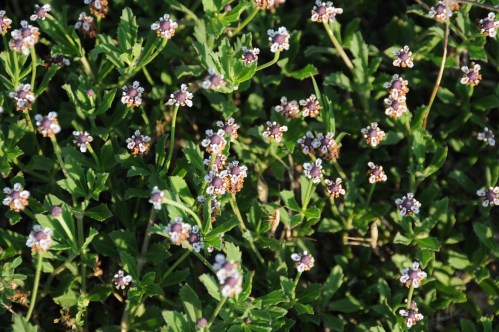
33. Texas Frogfruit, Turkey Tangle Fogfruit, Frogfruit (Verbena family), good nectar plant for butterflies, bees
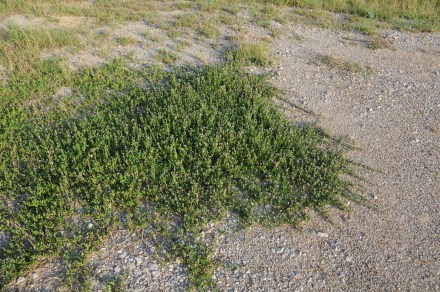
No. 33 Sprawling Texas Frogfruit

This odd-named plant is a host to several larval: Phaon Crescentspot, Buckeye, and White Peacock butterflies.  I find butterflies and bees abounding on its blossoms.  The sprawl is located in front of my C&C livestock trailer and my Big Texas flatbed.  It is flooded and dried by the sun, time and time again, and still remains robust and flowering.  Frankly, I nearly passed over the blossoms for they are quite small — about 1/4 inch across –, but decided to go back this morning and photograph.  Upon looking up its characteristics, I am impressed with its connections to bees, butterflies and larvae.  I wish I knew how Frogfruit got its name.  And it is Turkey Tangle Fogfruit, not Frogfruit, in case you are interested.  Fogfruit, Frogfruit — what nomenclature our ancestors tagged on flora.

I can’t wait for someone to ask me down at the barn, What kind of plant is that?

My answer, Why don’t you know?  Everyone knows that’s….

34. Tasajillo, Christmas Cactus, Christmas Cholla, Rat-tail Cactus, Pencil Cactus (Opuntia leptocaulis), edible fruit

If I have been stuck by this cactus once, then it is for sure at least a hundred times more over the years.  I may have been bucked by a horse long ago into a bunch of these Christmas cacti.  I have eaten the fruit carefully.

35. Coreopsis, Golden-Wave, Tickseed, Goldenmane Tickseed

I went down to the Grove this morning to see if the Wine Cups blossom in cooler temperatures — 70 F.  The Wine Cups were gone, but these Goldenmane Tickseed had sprung up about the area where the Wine Cups had erupted.  Fair enough, I think, for the soil is rich, the shade is cool by the creek, and there is room for several blossoming plants.

36. Soft Golden Aster (Chrysopsis pilosa)

37. Texas Thistle (Aster family)
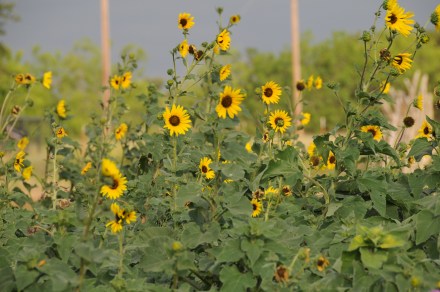
38. Common Sunflower (Helianthus annuus, Aster family)

21 Comments

Filed under Flowers of Flying Hat, Wild Flowers of Texas