Tag Archives: Conservation

Gray Sky With Duck

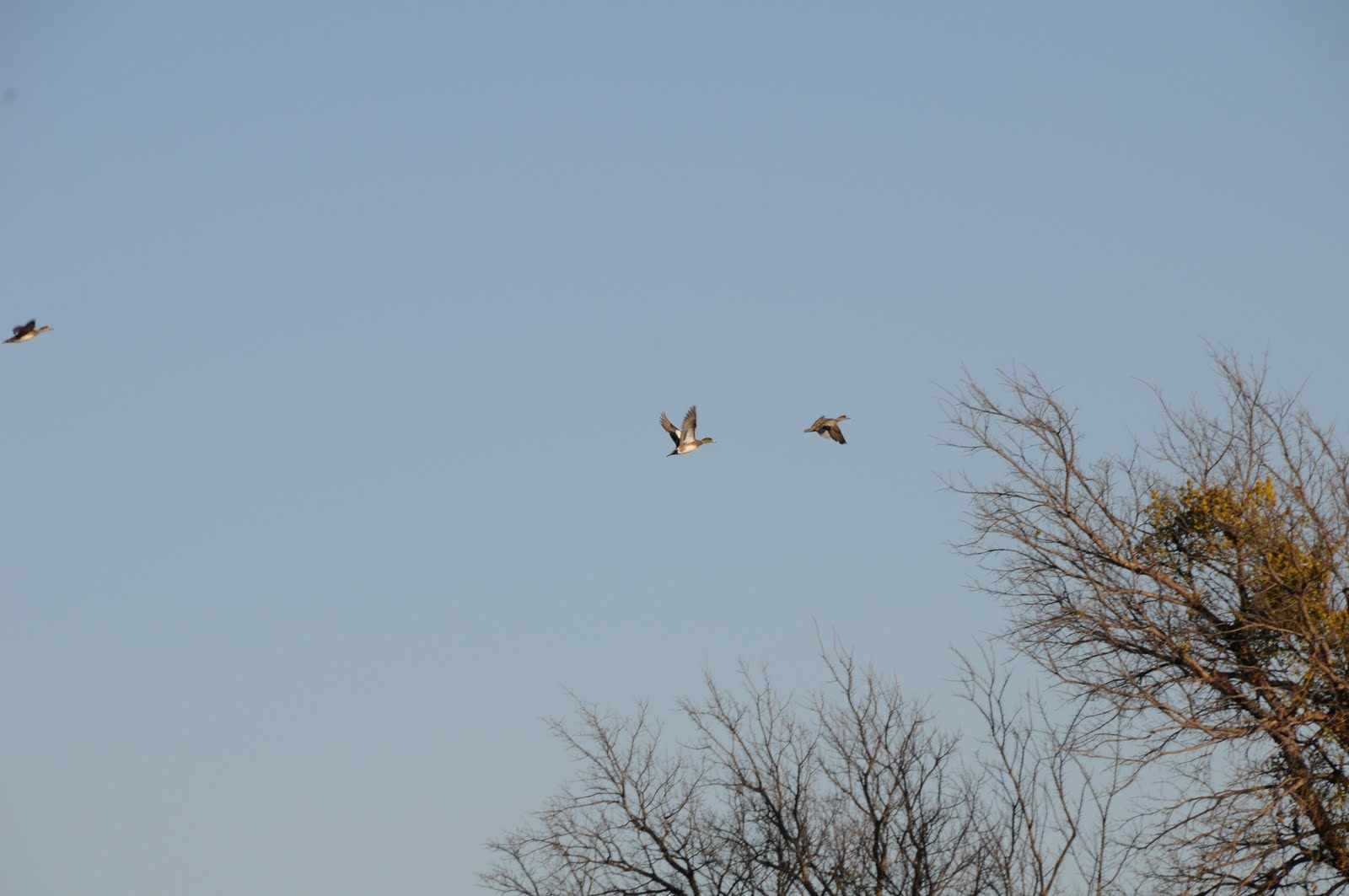
Ducks Flying Over Flying Hat, January 7, 2010

After feeding the horses, I go farther into the pasture south of the arena to check on corn I have scattered on the ground for deer in the grove and dry creek bed.

Half of the corn I dispersed last night has been consumed and deer hooves have stabbed the ground in delight or hunger.  Leaving the deer prints behind, I turn north on the pasture road and drive past the stock pond next to the Blue farm, the family east of us.

I frighten nine ducks that take to the air from the pond, shaming me that I had disturbed their morning feed.  I open the door of the pickup and snap a shot of their flight upwards, then circling back to the pond.  A momentary interruption at their table I was.  Tomorrow I will walk to the deer-stabbing feed ground in the grove.  Better for me.  Better for the ducks.

______________________________

Notes:

11/18/2010.  I am going to set up a duck blind.  I have cedar posts and brush that will allow me to stand behind and photograph.  I hope to identify the ducks that come to the pond by the end of the Winter season.  That is my intention.  Not a promise to anyone, but it is my intent.

11/15/2010.  Two days ago as I drove to the Grove to photograph our solitary cottonwood, I scared at least fifteen ducks from the pond.  I had forgotten about them in my mission to write about the cottonwood.

7/30/2010.  A pair of heron fly often to the pond.  They give one call when they leave the pond — just one call.

3/19/2010.  Ducks were on the pond this morning.  A blue heron flies to the pond late in the afternoon.

12 Comments

Filed under Cedar, Deer, Ducks, Flying Hat Ranch, Juniper

West Cut Pond on Baird Hill

Since 1998, I have looked at a beautiful stock pond along the West Cut of Baird Hill, on Interstate 20, near Baird, Texas, as I have driven to work in Abilene from Mingus, Texas.

The pond has deteriorated in health.  It was a pond that had rushes of cattails, deep-green sturdy stalks, three to four feet high, lining the pond all the way around except for a few places where cattle could water or a tree had fallen.  Ducks would fly in at the first cold snap in October and not leave until February or March.

The pond is set among hills on three sides, a spring-fed creek empties into the pond.  The interstate highway at the West Cut blockades the downstream portion of the pond, creating a kind of highway dam.

Last year and the year before, power poles with transmission lines as big as your arm were erected above the pond and on the hills to the north of the interstate in order to carry electricity from wind farms on the north and east side of Abilene.

When the transmission lines were nearly constructed, all the the green rushes along the pond died.

The pond lost water and is down about a foot or two.  At first, I speculated that the reeds had died as the result of some natural cycle, but that was not correct.  The rushes died because of contaminants from the transmission line construction, road construction for the power lines, the wind farm construction, or a combination of all three factors.  I did not take a water sample.  Not my land.  But, the owner of the ranch was just as surprised as I was about the change in the pond.  The reeds have not reproduced.

So, we have more electricity that is suppose to be clean.  It is.  But, in the method of setting up clean energy, nature is destroyed.  The pond is dying.

I will continue to observe the pond and will take photographs from the highway.  Hopefully, nature will resurge again along the banks of the pond.  And, I wonder if the ducks will stay long?  Will they even stop?

______________________________

Notes:

July 25, 2010, update: The pond has remained unchanged.  The color of the water has deepened to a blue-green and is not brown or brackish any longer.  The reeds still have not replenished.  I will attempt to take some photographs from the interstate for the record.  To connect the transmission line construction and the death of the pond is correlative.  I may be completely wrong in my hypothesis about cause and effect.  More proof is needed.

7 Comments

Filed under Ducks

No Ducks Yet on the Pond

There have been no ducks on the pond as of today.  There is a blue heron that comes every afternoon to feed at the pond.  The coldest front of the season is to drive temperatures down tomorrow night and Tuesday.  Perhaps, then, the ducks will fly in.

The photograph above, taken by Brenda, shows ducks in flight last winter.

2 Comments

Filed under Ducks

Ranch Scenes

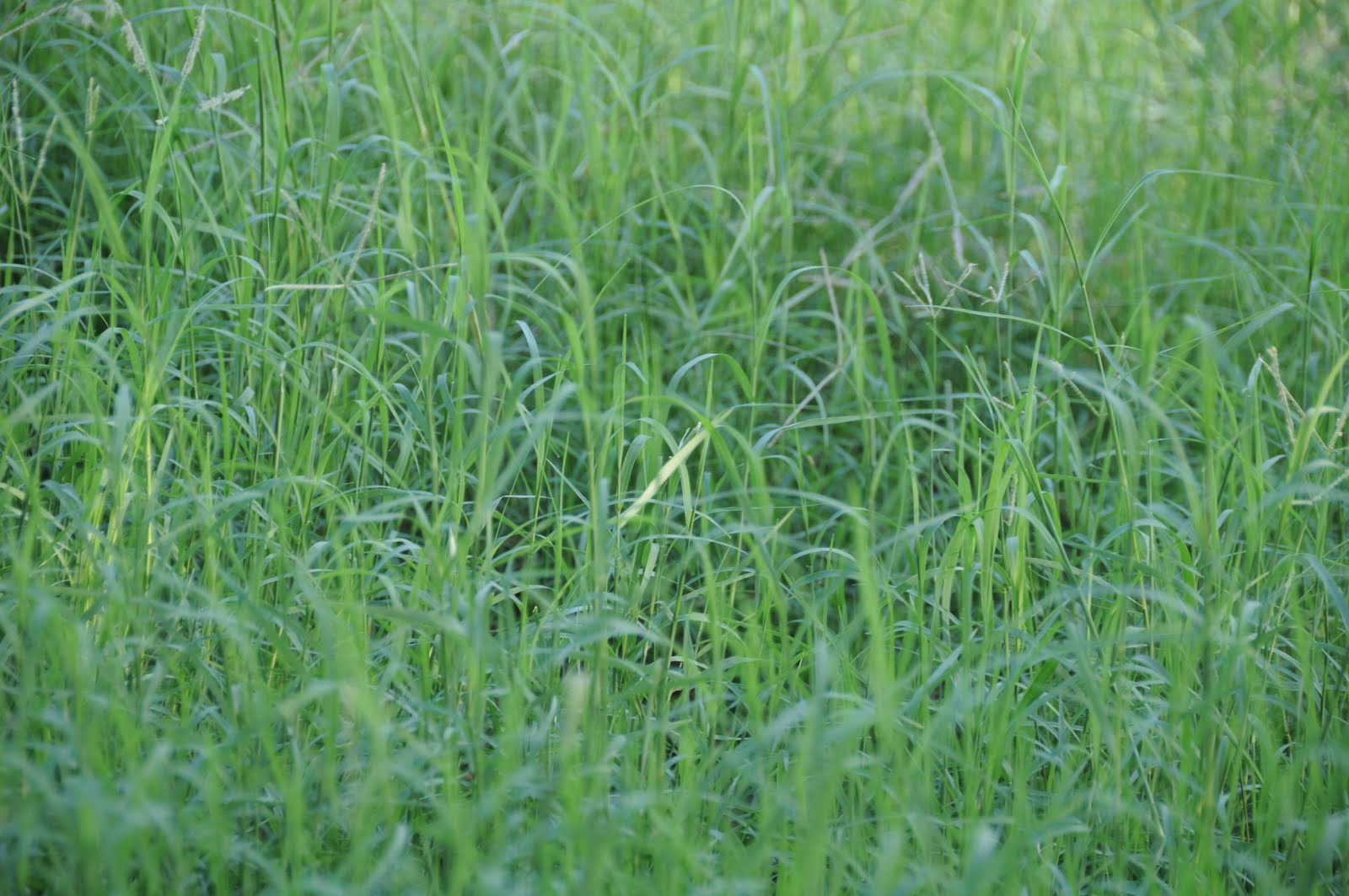
Late Summer Grass on Flying Hat Ranch

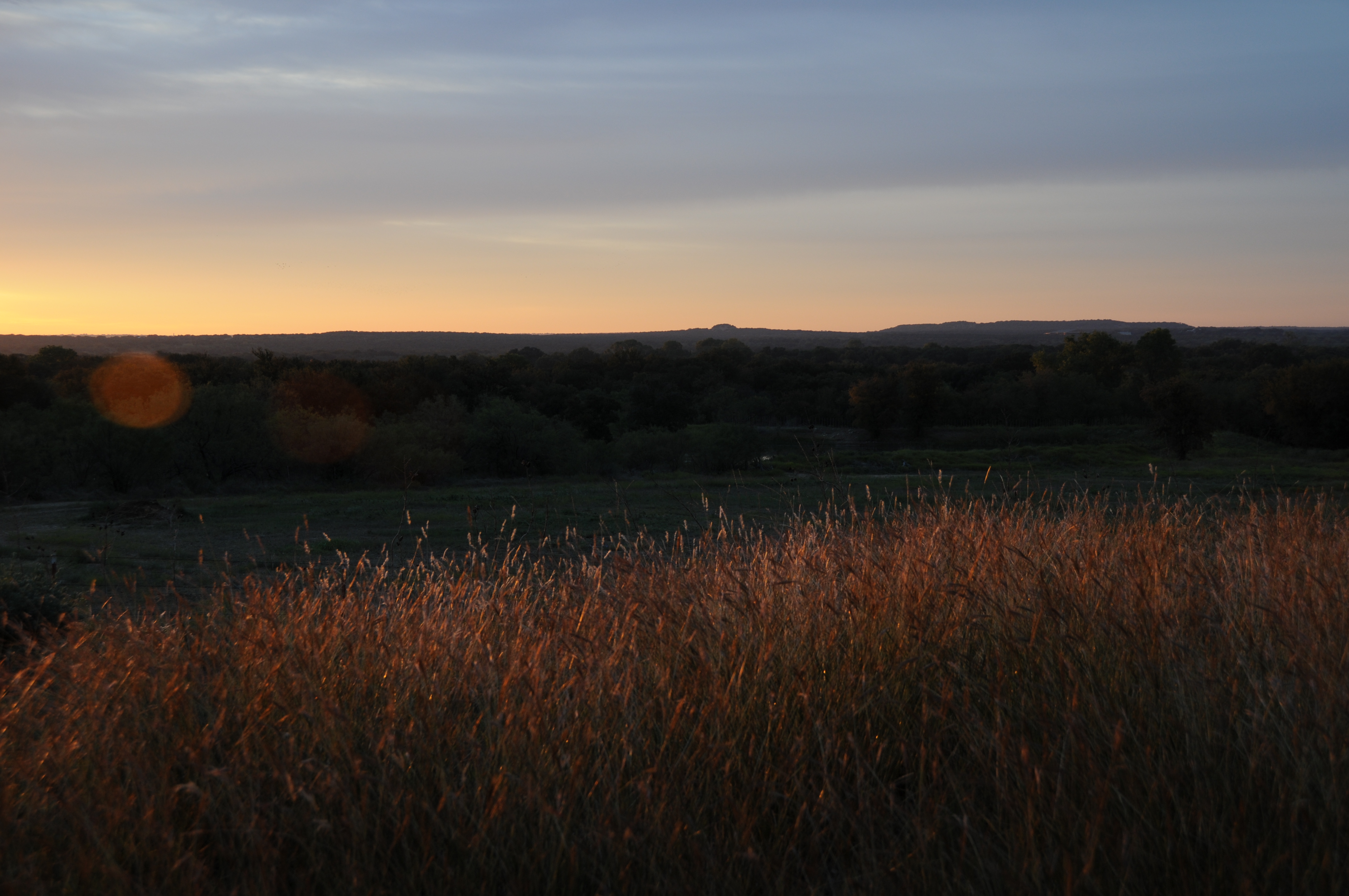
Mid-October sunrise over Flying Hat (Nikon D300, f5/29mm, ISO 200)

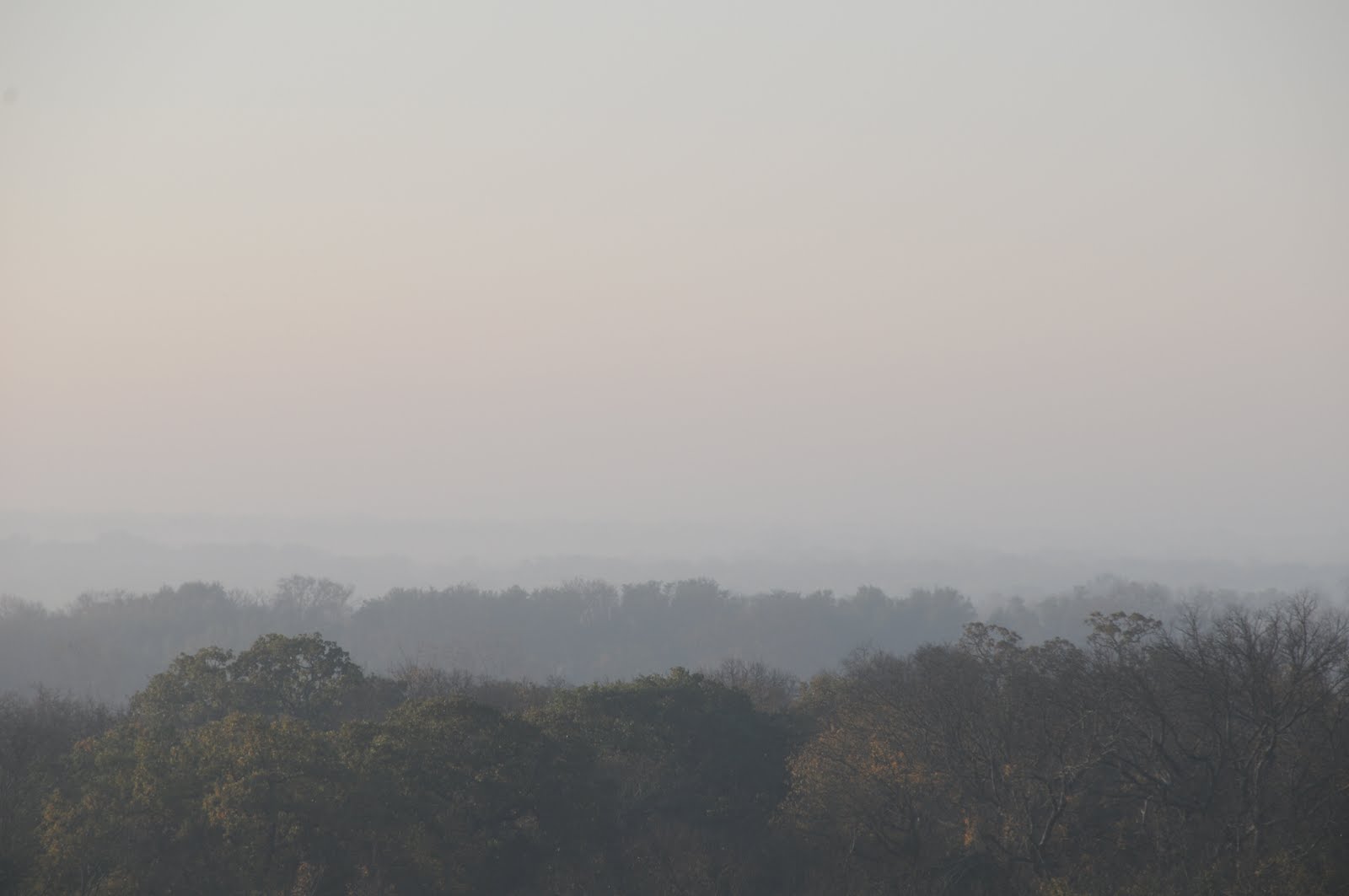
Fog over Flying Hat Ranch

Flying Hat Ranch stock pond

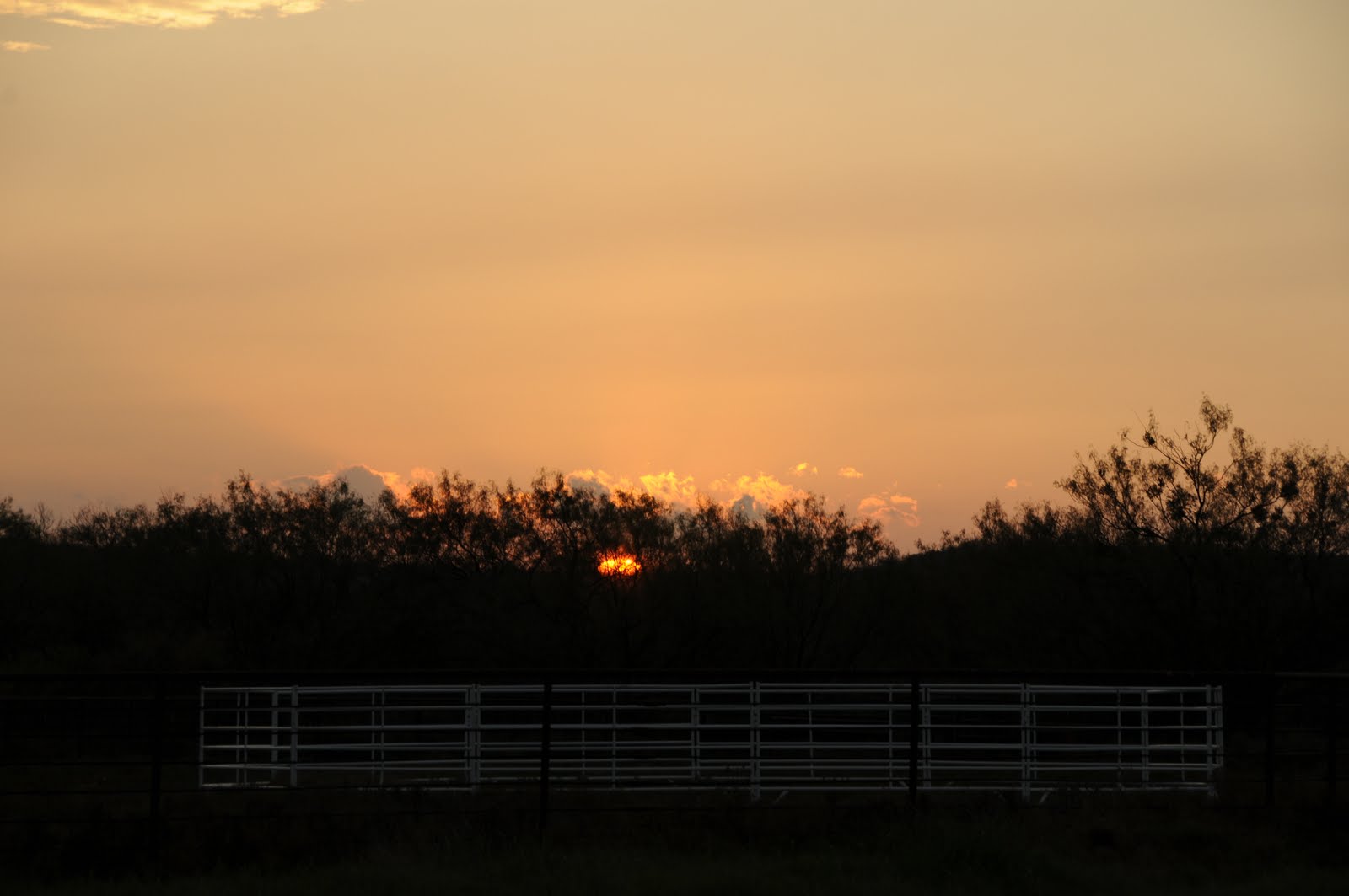
Round Pen at sunset, photograph by J. Matthews

Leave a comment

Filed under Flying Hat Ranch