Tag Archives: Conservation

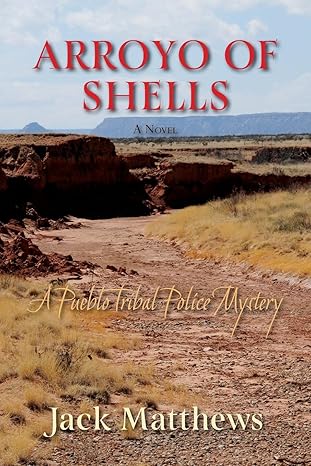
Newly Released! ‘Arroyo of Shells’

Newly released is ‘Arroyo of Shells: A Pueblo Tribal Police Mystery,’ published by Sunstone Press, Santa Fe, New Mexico. The novel, featuring the same characters and background as in ‘Death at La Osa,’ is tribal policeman Tafoya and U.S. Forest Service biology specialist Janet Rael search for stolen museum items and apprehension of a murderer in the high country of northern New Mexico. An attempt at kiva revitalization carries the story into noir-mystical worlds of pueblo ceremonialism and Navajo mythology. Three cultures interact, forming a matrix of detail of Puebloan, Hispano, and Anglo dynamics. Available through Amazon.com, BarnesandNoble.com, and Bookshop.org.

Quay County, New Mexico

Bookshop.org https://bit.ly/3ZDCGgO

Amazon.com https://amzn.to/3ZOhghk

Barnes & Noble books https://bit.ly/3YcHXea

‘Arroyo of Shells’ is available as an eBook through Amazon and Barnes and Noble.

Jack Matthews

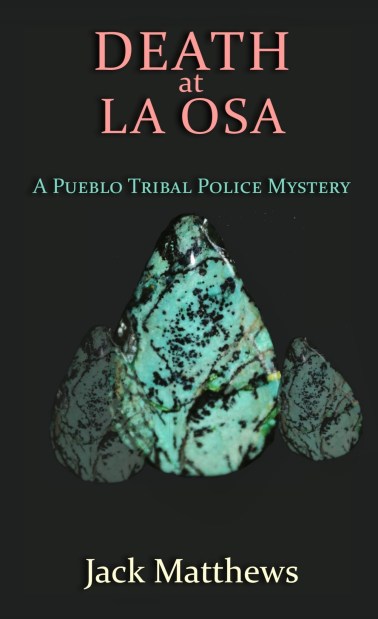
‘Death at La Osa’ the first novel of the series!

Dendrite Turquoise: The Center of Attention in ‘Death at La Osa’

Leave a comment

Filed under New Mexico

Wild onion and the Great Plains Restoration Council

Wild Onions (Photograph by Jack Matthews)

Three thousand acres of old-growth prairie is at the backdoor of Fort Worth near Lake Benbrook.

I put the last acres of Flying Hat Ranch up for sale last week. The location for 29.15 acres is 38295 N SH 108, Mingus, TX. The posts of Sage to Meadow since 2009 have been centered on that ranchito, which had started out at fifty-three acres. Ranch Realty Pro, the broker being J. Bryan Davis, of Stephenville is handling the sale the land.

Yes, I am sad, even grieving, that we had to sell. But the traffic to and from Fort Worth on Interstate 20 has become risky, even dangerous. (From my home in Fort Worth to the Far Field is seventy-two miles.)

So this morning, I searched for public places near me that I could go out and trek and commune with nature. I found just a few miles away, the Fort Worth Prairie Park that is under the purview of the Great Plains Restoration Council.

3,000 acres of old-growth prairie

I never knew the prairie was so close, so protected from development.

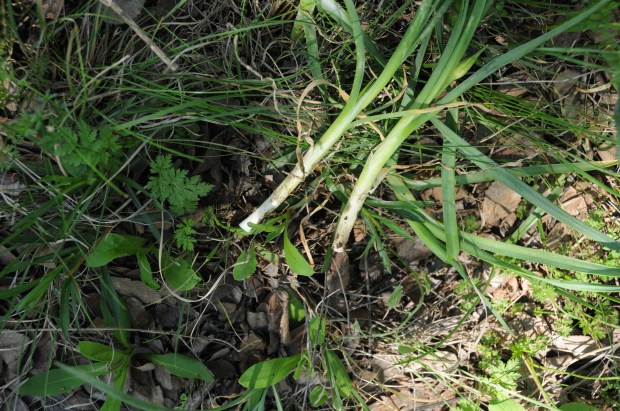
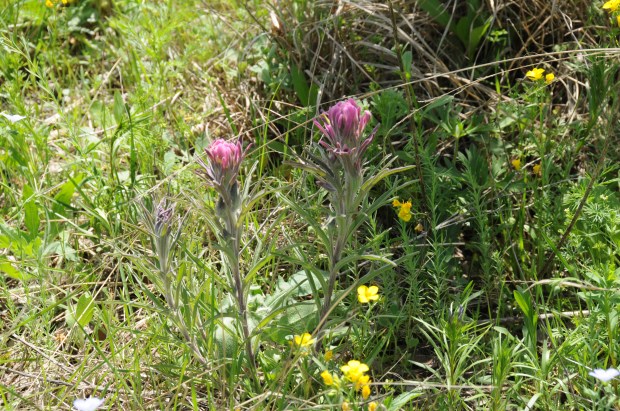
I took my Nikon camera and hiked three-quarters of mile into the prairie. I could see the flags of Fort Worth development and hear the planes overhead, but no matter, I wandered with the prairie and found wild onion and spring blossoms. I came across an old campsite (historic) that had not been used for several years. Here are some of the photos of my afternoon.

Pink and yellow blossoms

Blue blossoms
A family of onions
Fire ring

Look closely at the red ants busy tending their home

I will go back to the prairie. The link to the Fort Worth Prairie Park site and Great Plains Restoration Council is https://gprc.org/our-work/fort-worth-prairie-park/.

I am connected to all things. There is no “other.”

All photographs by Jack Matthews.

14 Comments

Filed under Adventure, Field Log, Flying Hat Ranch, Life in Balance, Uncategorized

Berries and birds

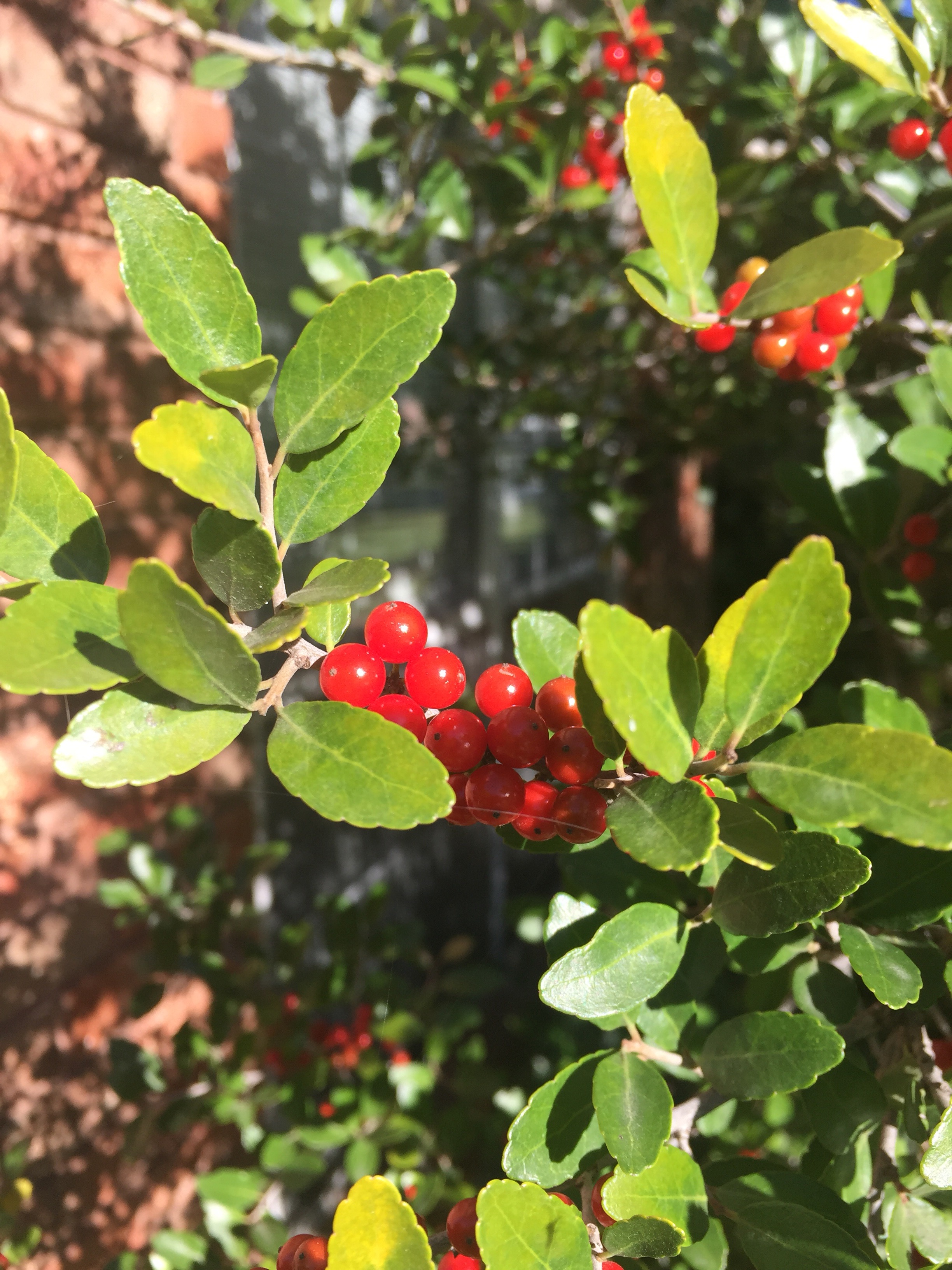
I am almost, but not completely, compelled to camp next to this chokecherry (?) tree in my front yard to watch the birds (juncos, etc.) strip the tree and come back time and time again.

Last year I saw the flock of birds that stripped the tree and identified them, but I did not write down my observations, so, here I go again and I will record this time.

I write this nature post and I do not have either bird or berry tree identified. But, so, I adore berry and bird regardless.

5 Comments

Filed under Birds, Field Log, Life in Balance, Nature Writers, Nature Writing Series, Plants and Shrubs

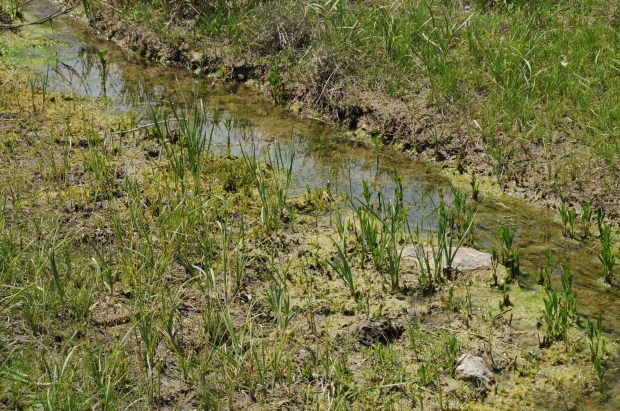
Acequia alongside road to Dixon, New Mexico

Last September I attended a water association meeting in Penasco, New Mexico.  The acequia photographed above is one of several thousand water ditches and collateral offshoots in New Mexico.  This ditch alongside the road to Dixon, New Mexico, is not a part of the water association at Penasco although the two towns are close together and divert off of the Embudo Watershed.

1 Comment

Filed under Acequias New Mexico

Norman Clyde and Life on Mountain Trails

Norman Clyde taught, read, guided mountain climbs and rescues.  “Norman Clyde still guided parties into the Sierra into the 1960s, when he was in his seventies. In the 1950s and 1960s, he lived by himself at the old Baker ranch-house on Baker Creek near Big Pine. Because he was trained in the classics, Norman Clyde loved to read books in Latin and Greek. At the Baker ranch-house, Clyde had thousands of rare classical books. At age 80, he was still sleeping outside the ranch-house on a mattress and sleeping bag, as long as it was fair weather.”

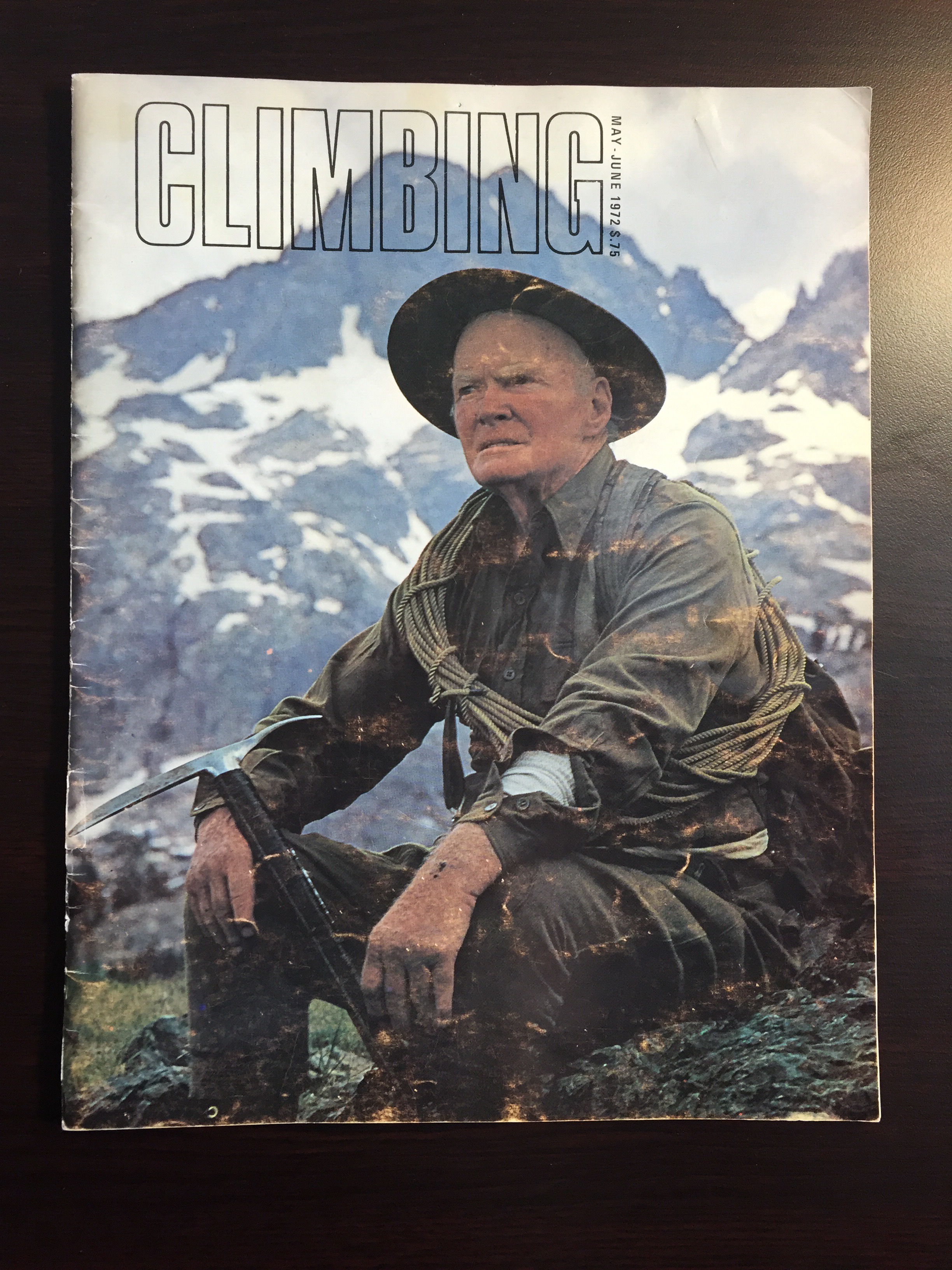
The above photograph on the cover of the magazine, Climbing, I have kept since a friend of mine, Mark Garlin, gave me the magazine in 1972.  Norman Clyde died later that year, December, 1972, at the age of 87.  I have kept the magazine at my ready shelf since that time because of my love of climbing mountains and the presence of strength and fortitude in Clyde’s face and posture.  Despite age, he has tools of his love and trade beside him:  rope, ice axe, and rucksack.

When I have climbed mountains by way of trail and path, not rope nor ice axe, I have met young and old, educated and not, rich and poor, and men and women who love the outdoors and the challenge of a good climb.  Without fail, those that are on the trail take an interest in the columbine and rushing waters and all the conifers in high country.  Oh, the trees: ponderosa pine, spruce, juniper, pinion.  There is learning in the austere mountain trail that is both external and internal.  In the external, one sees and usually identifies geological formations, the topography, the magpies and jays, and the trees.  Internally, the lessons run deep and are formative, even in old age.

Norman Clyde in the photograph above was in his eighties.  The perseverance in his climbing is found off the slopes in building strawbale compounds (as my good friend, Jimmy Henley, was doing at the time of his death in his seventies), performing the arts, climbing trees as a trimmer, and pursuing goals in getting a degree.  If ever you think you are too old, think of Norman Clyde on the front cover, the mountains behind and the tools of his adventure about him.  Clyde will climb until his body fails.

As I wrote, I keep Clyde’s photograph on my ready shelf.  If he can climb at his age, I can hike and build fence and mountaineer at my age.  As I climb in the high country, three questions arise:  What am I doing here?  What should I do?  And, how do I know?  The answers are simple and complex.  I am hiking.  I am hiking.  I know I am hiking in this moment at my pace, walking among the trees, hearing birds, seeing and hearing rushing waters, touching ground, seeing the sky as I meet others on the trail.  Those are my three answers.  In a sense, those are everyone’s answers.  Until our bodies fail.   Norman Clyde, front cover, Norma Clyde, front cover….

*******

Photograph of Norman Clyde by David Hiser.

Quote in first paragraph from Wikipedia, “Norman Clyde,” accessed Aug. 23, 2016.

The three questions in the last paragraph are derivative from my course in philosophy at University of Texas at Austin, 1961.  On the Philosophy Department’s website page (at least a couple of years ago) those questions were posed in a slightly different way.

I climbed with Mark Garlin, my friend who gave me the magazine.  He lectured at the Air Force Academy in the 1970s on climbing and survival in the mountains.


7 Comments

Filed under Adventure, Juniper, Recollections 1966-1990, Recollections 1990-

Water in Far Field

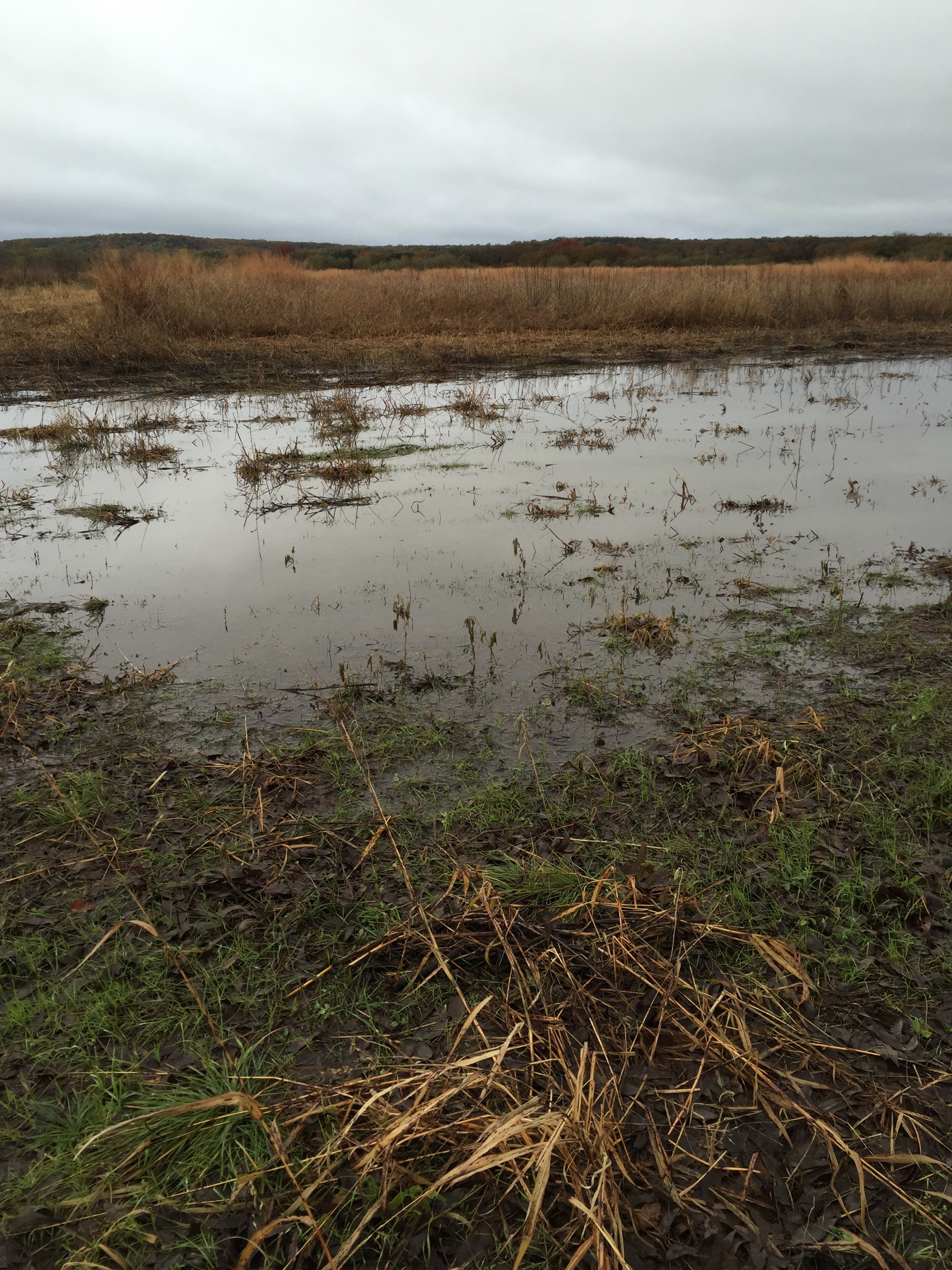
Central Texas in the last week had rain.  My Far Field (shown in photograph above) shows a marshy area on the south section of the field.  The rains this week have broken the record for the wettest November in the Fort Worth area.

I walked and viewed the marshy area yesterday, parking my F-250 along State Highway 108 because the road into Far Field lacked gravel or cliche for pavement.  The temperature was 44 degrees F., wind calm, and sky cloudy.  Crows inevitably cawed, killdeers pipped, and some type of finch perched and chirped in the pecan tree above me.  I had intended to cut down a tree that was blocking the gate, but the low temperature and wetness forced me back into the pickup, my axe never unloaded from the cabin.

I retired from teaching college in June of this year, having either been in college or teaching for fifty-five years.  Shortly after retirement, I sold the front part of the farm, including the house, barns, stables and arena, keeping the Far Field of 29.151 acres.  Moving into Fort Worth, some sixty miles to the east, I took an apartment that is adjacent to the Trinity River.  Since in the apartment, I have seen owls, falcons, hawks, Sandhill Cranes, and numerous species of waterfowl that fly along the river, turning as a flock at the bends of the river.  Wild turkeys inhabit a ranch across the river from where I live and I have seen a seven-member troop of them walk up into the homes and yards when it rained heavily last week.

My Far Field qualified for agricultural use.  It consists of native grasses and various inserts of Johnson grass and other “invasive” species.  The field is still wet today and will remain so for a couple of weeks.  To what use shall I put the field?  Cattle grazing, crops for wildlife?  I am not sure, but the decision  “to do” something with the soil has raised some philosophical questions about my behavior towards the land.  For now, the field is wet, the crows and hawks perch on the only tree in the field.  Nestled in the field grasses and burrowing into the earth are skunks and voles.  So, leaving it alone for now is practical and respectful.

IMG_0503


7 Comments

Filed under Flying Hat Ranch, Life in Balance

Robert Macfarlane: why we need nature writing

A new “culture of nature” is changing the way we live – and could change our politics, too.

Source: Robert Macfarlane: why we need nature writing

3 Comments

Filed under Life in Balance, Nature Quote of the Day, Nature Writers, Nature Writing Series

Milkweed for Monarchs at My Place

IMG_3540

Milkweed Clusters

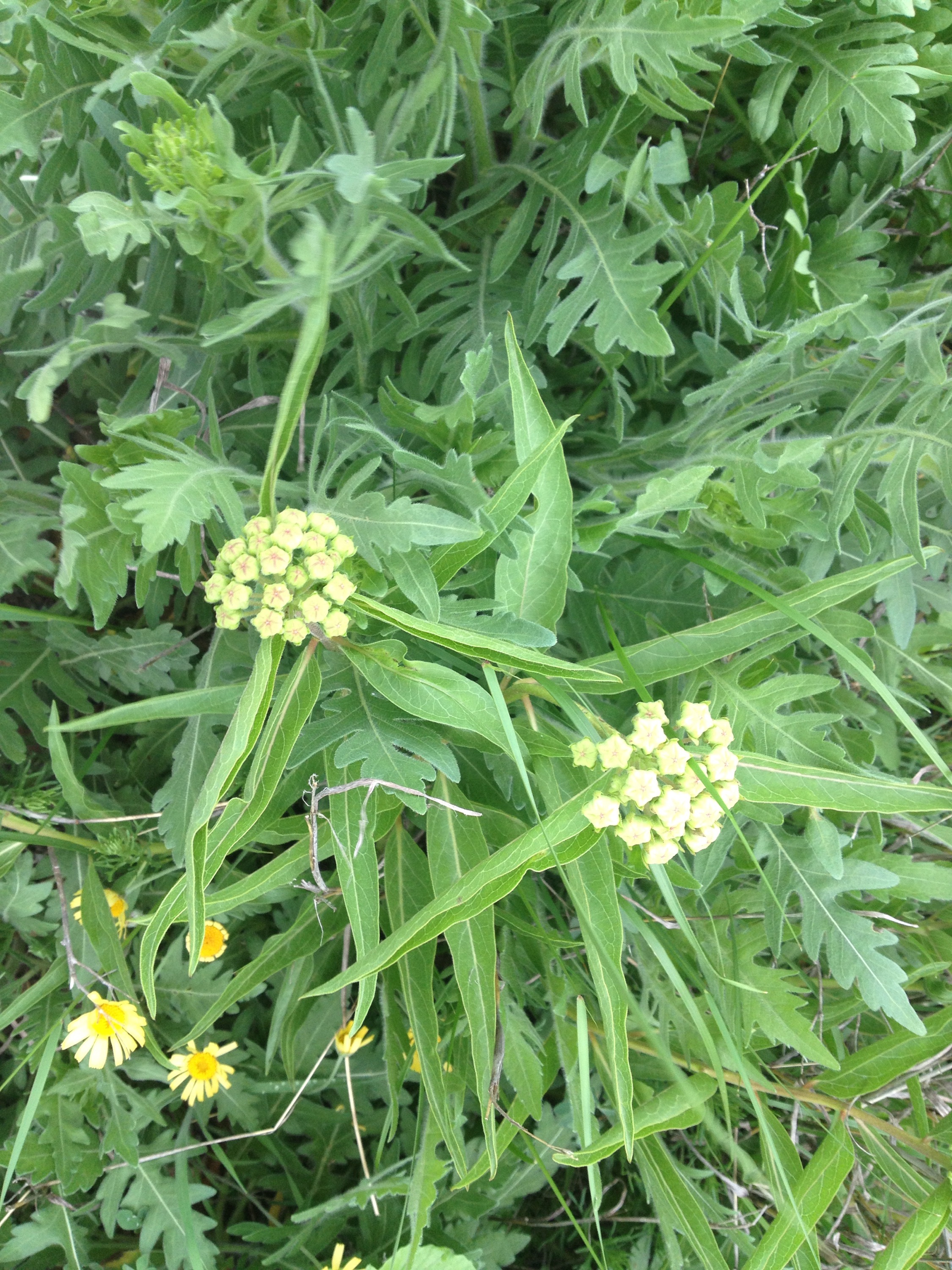
I have located three milkweed clusters since 2003 on my place–central Texas, Erath County. Today I sought the three clusters again, one directly in front of the house, one alongside the road to the barn, and the cluster in the far field, one-quarter of a mile away. I found only the cluster photographed above–the cluster beside the road to the barn.  I found no milkweed in the far field nor in the front yard.  I believe that this spring has been mild so far and some heat is needed to bring out other patches of milkweed. Today, as I walked the fields, I discovered a large Monarch in the grove that soared out of the grass and into the sky above the trees.  A huge Monarch, one the largest I have ever seen.  Then as I finished my field trip, in the front yard, a Monarch flitted above the cut-leaf daisy and lawn grass. Two Monarchs, one patch of milkweed that has ten clusters of blossoms (you can only see seven in the above photograph)–definitely an event to be recorded for 2015. I will continue to monitor the milkweed and Monarchs, posting the field trips I take to far and near fields on my place.

IMG_3541

7 Comments

Filed under Life in Balance, Monarch Butterfly

Sage blossom and sky noir

20131018-132212.jpg

A mid-morning rain fell on the place. The air is cool, almost cold, and the sky has not cleared and probably will not this day. This photograph shows a break in the clouds towards the south, the town of Stephenville, lying about nineteen miles away. My mother came to Stephenville–I tagged along–and bought plants at Wolfe Nursery. The nursery had a large sign of a wolf that signaled the entry to the nursery that encompassed acres and acres of tended trees and several hothouses.

20131018-132246.jpg

The rain caused an eruption of this blossom upon the sage near the house.

Fall has come to the place, the farm, the ranchito, the people of Sims Valley, and all the wildlife abounding.

9 Comments

Filed under Life in Balance, Plants and Shrubs, Recollections 1942-1966, Uncategorized

Monarch Migration Plunges to Lowest Level in Decades – NYTimes.com

Monarch Migration Plunges to Lowest Level in Decades – NYTimes.com.

But an equally alarming source of the decline, both Mr. Taylor and Mr. Vidal said, is the explosive increase in American farmland planted in soybean and corn genetically modified to tolerate herbicides.

The American Midwest’s corn belt is a critical feeding ground for monarchs, which once found a ready source of milkweed growing between the rows of millions of acres of soybean and corn. But the ubiquitous use of herbicide-tolerant crops has enabled farmers to wipe out the milkweed, and with it much of the butterflies’ food supply.

“That habitat is virtually gone. We’ve lost well over 120 million acres, and probably closer to 150 million acres,” Mr. Taylor said.

A rapid expansion of farmland — more than 25 million new acres in the United States since 2007 — has eaten away grasslands and conservation reserves that supplied the monarchs with milkweed, he said.

The monarchs’ migration is seen as a natural marvel and, for Mexico, a huge tourist attraction. But naturalists regard the butterflies as a forward indicator of the health of the food chain. Fewer butterflies probably means there are fewer other insects that are food for birds, and fewer birds for larger predators.

Here on my ranchito I have seen no monarchs this year.  It is a little early for their migration through central Texas (at least here in north Erath County, Texas), and I will hold off making any conclusive statements about their pattern for several more weeks.

I have only a few sprouts of milkweed on my 53 acres.  I know precisely where the milkweed is and seek to keep it flourishing for the butterflies.

12 Comments

Filed under Life Out of Balance, Monarch Butterfly