Category Archives: Life in Balance

Merry Christmas from Sage to Meadow to You!

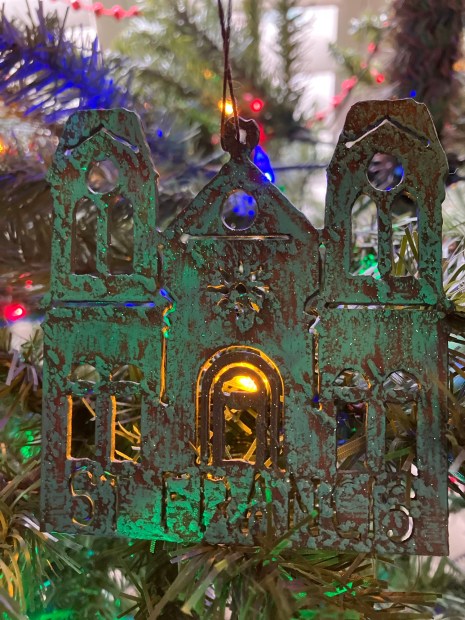
A Christmas Ornament Cathedral Basilica of St. Francis of Assisi, Santa Fe, New Mexico, 2025

Leave a comment

Filed under Uncategorized, Life in Balance, Christmas, Juniper, New Mexico

Updating Sage to Meadow Blogsite!

Sage to Meadow blogsite, established 2009, is approaching a sixteen-year birthday come October 2025. I am slowly examining my links to other websites and data points and deleting or updating the links to active.

So, if you come across ANY DEAD LINKS, please send me a message, and I’ll try to correct the dead link when I can.

Leave a comment

Filed under Life in Balance

Wild onion and the Great Plains Restoration Council

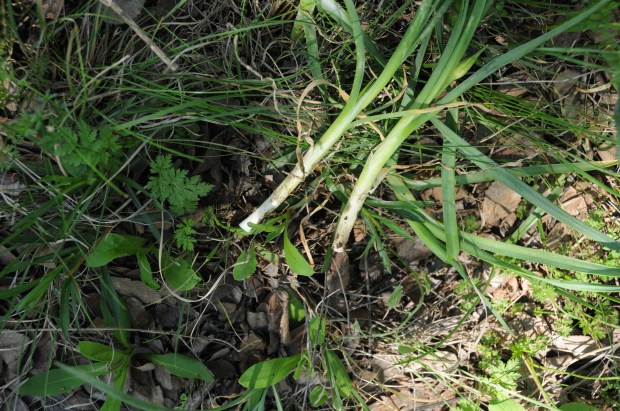
Wild Onions (Photograph by Jack Matthews)

Three thousand acres of old-growth prairie is at the backdoor of Fort Worth near Lake Benbrook.

I put the last acres of Flying Hat Ranch up for sale last week. The location for 29.15 acres is 38295 N SH 108, Mingus, TX. The posts of Sage to Meadow since 2009 have been centered on that ranchito, which had started out at fifty-three acres. Ranch Realty Pro, the broker being J. Bryan Davis, of Stephenville is handling the sale the land.

Yes, I am sad, even grieving, that we had to sell. But the traffic to and from Fort Worth on Interstate 20 has become risky, even dangerous. (From my home in Fort Worth to the Far Field is seventy-two miles.)

So this morning, I searched for public places near me that I could go out and trek and commune with nature. I found just a few miles away, the Fort Worth Prairie Park that is under the purview of the Great Plains Restoration Council.

3,000 acres of old-growth prairie

I never knew the prairie was so close, so protected from development.

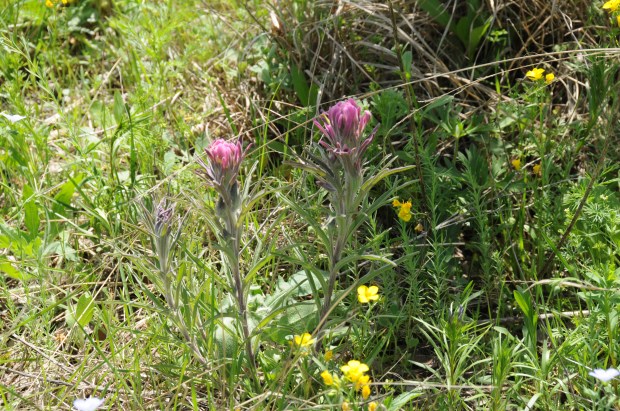
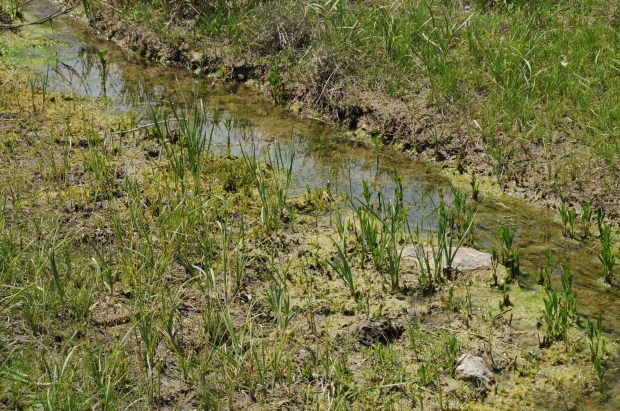
I took my Nikon camera and hiked three-quarters of mile into the prairie. I could see the flags of Fort Worth development and hear the planes overhead, but no matter, I wandered with the prairie and found wild onion and spring blossoms. I came across an old campsite (historic) that had not been used for several years. Here are some of the photos of my afternoon.

Pink and yellow blossoms

Blue blossoms
A family of onions
Fire ring

Look closely at the red ants busy tending their home

I will go back to the prairie. The link to the Fort Worth Prairie Park site and Great Plains Restoration Council is https://gprc.org/our-work/fort-worth-prairie-park/.

I am connected to all things. There is no “other.”

All photographs by Jack Matthews.

14 Comments

Filed under Adventure, Field Log, Flying Hat Ranch, Life in Balance, Uncategorized

Midnight Star Ladder

“Midnight Star Ladder,” David Gary Suazo, ca. 2018, Collection of Wendy and Charles Needham

“The table of six at Ojo Verde Inn began to eat their food and those facing Paseo de Norte looked out of the window next to the street and saw eighteen wheelers carrying logs from fresh cuts in the Carson National Forest. Snow had frozen to the bark of the fresh cut logs…. Those at the table that faced away from the street glanced upward at vigas in the ceiling and at artwork for sale on the wall. The prices for artwork of local Ojo Verde artists were priced to sell and the Pinion-Buttermilk Pancake woman eyed the brilliantly-hued painting of the Tulona Pueblo….

“I will buy that painting and make a place for it in my living room,” the Pinon-Buttermilk Pancake woman said to herself. When brunch was over, she went to the front desk of the Ojo Verde Inn, and out of her billfold she carefully placed seven-hundred dollars on the counter, buying the painting outright. As time went on in her life, she never regretted the purchase and her children rotated the painting amongst themselves after she died…. The Pinon-Buttermilk Pancake woman gave an additional tip to her server at the Inn because she wanted to remember and enlarge the morning at brunch as a generous morning, a time punctuated with giving, and with art.

An excerpt from the novel by Jack Matthews, Death at La Osa.

[1] Translation is, “I love you, daughter–always, always, always.”

Leave a comment

Filed under Life in Balance, New Mexico, Taos

Sage to Meadow Shalakos and a little more news

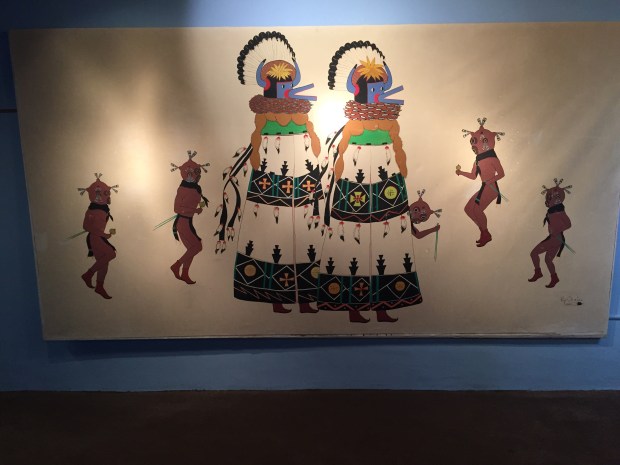
Shalakos and Mudheads, Pop Chalee, Taos Pueblo, Ca. 1930. Exhibit at Millicent Rogers Museum, Taos, New Mexico. Photo by Jack Matthews.

Pop Chalee’s Shalakos and Mudheads is a large painting, about eight feet in length. I saw this painting a few months ago. I’m not for sure it is still on exhibit. You need to email or call to find out if it is still displayed. I am currently in Taos and may go to the museum today.

I retired from teaching in 2015 at Cisco College. I had been teaching college students since 1965, starting as graduate assistant at Texas A&M.

Currently, I am conducting research and writing historical monographs relating to acequias and Old Spanish metrics of measurement in the 16th and 17th centuries as applied to explorations in New Mexico.

I am also writing fiction and have an accumulation of finished short stories as well as some longer pieces.

I spend a lot of time writing and conducting research in Fort Worth, Texas, and Taos, New Mexico.

When I can I will post photographs and posts on Sage to Meadow.

Several ceremonies are scheduled at Taos Pueblo over the next few weeks. Consult their website for more information.

Merry Christmas and Happy Holidays!

–Jack

7 Comments

Filed under Acequias New Mexico, Christmas, Dancing, Life in Balance, New Mexico, Taos

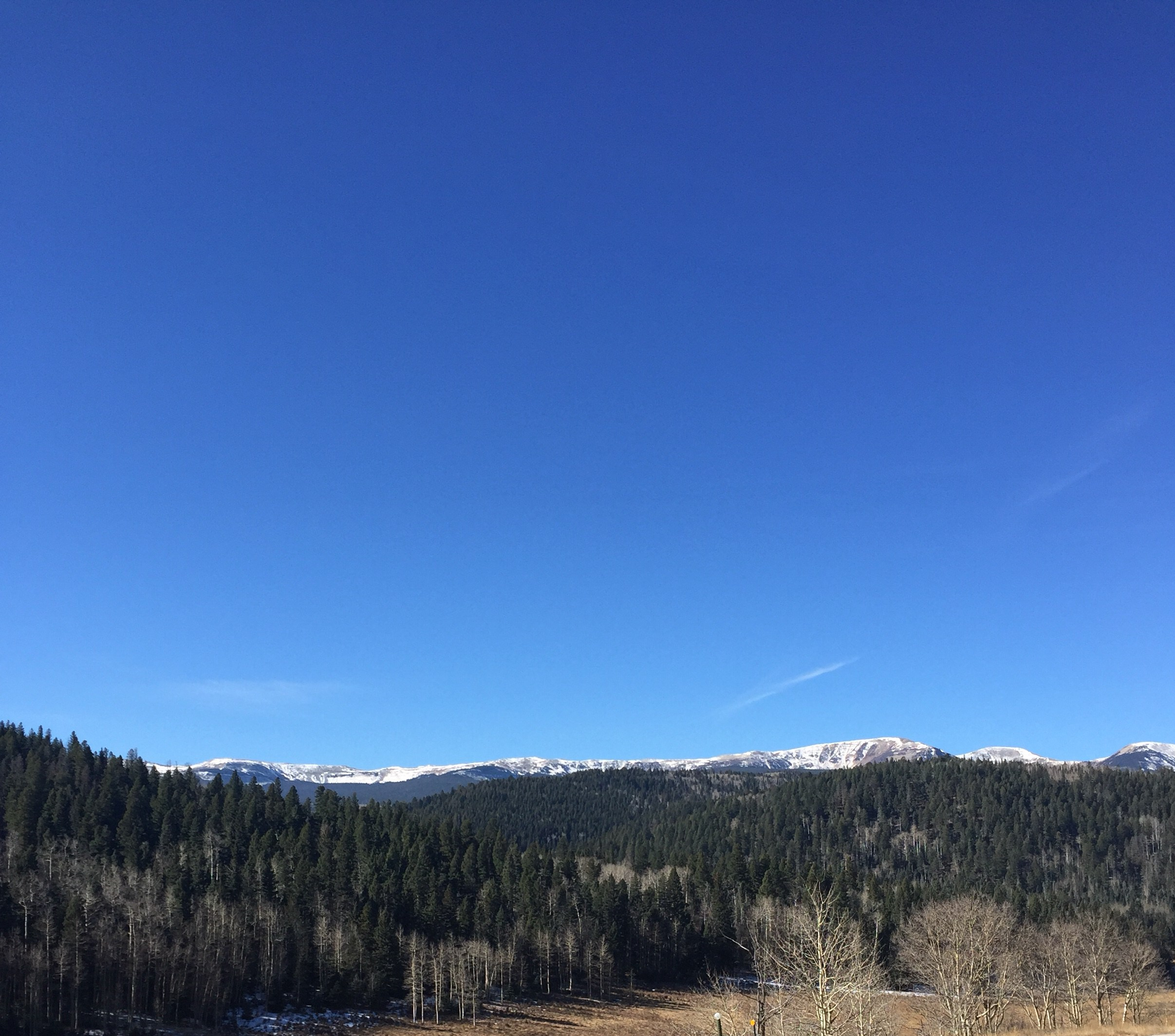
Truchas Peaks, New Mexico


Truchas Peaks near Mora Pass

Looking westward toward the Truchas Peaks, New Mexico, November 2017.

I have been traveling to Taos, New Mexico, several times in the past year.  I stop at this spot near Mora Pass that is up in altitude from Sipapu Lodge in order to look back at the mountains before I head down the Mora Pass to Holman, Cleveland, Mora, and Las Vegas.  The valley you see in the foreground is the starting valley and surrounds for Rio Pueblo that flows eventually into the Rio Grande near Embudo.

I have climbed two of the three Truchas Peaks, encountering Bighorn sheep on the trail to the summit.  I was in my twenties when I climbed; now I am seventy-five years old and I stop and look back on the mountains and my life, the near and the faraway.

Lately, within the last few weeks, I have seen near my home in Fort Worth the most beautiful coyote poised and stationary alongside the Chisholm Trail Tollway, its coat shiny and tail bushy and full.  In my frontyard, two racoons ambled by and climbed into the trees.  A bluejay in the neighborhood warns others of my approach as I walkabout.  At my Far Field near Mingus, Texas (the source of most of my posts on this blog), I have heard the Sandhill Cranes in the sky, but failed to see them catch the thermals.  But, I hear them.  I see the turned soil of wild hogs in my field, the voles that run away from my tractor when I shred mesquite.  When I was in Lubbock at Thanksgiving I heard and saw flocks of Canadian geese in the air and along the playas of the region.

Magpies fly across the backyard of my daughter’s home in Taos.

I am looking and I see the wild on this earth.  I am having a conversation with the wild.  And, I listen so attentively and look so closely that I am beginning to grieve as I never had before.

5 Comments

Filed under Adventure, Life in Balance, Life Out of Balance, Nature Writing Series, Sandhill Crane

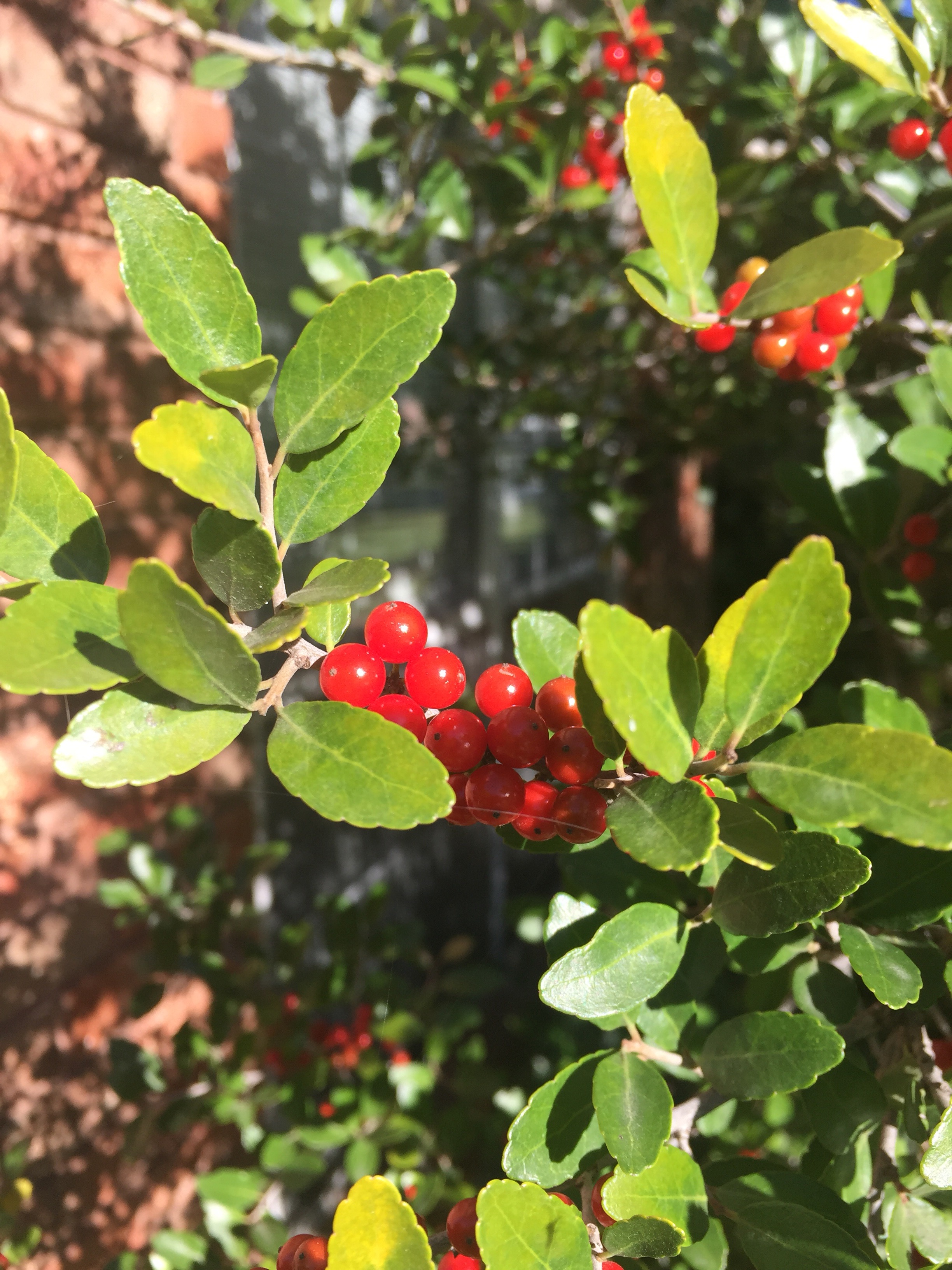
Berries and birds

I am almost, but not completely, compelled to camp next to this chokecherry (?) tree in my front yard to watch the birds (juncos, etc.) strip the tree and come back time and time again.

Last year I saw the flock of birds that stripped the tree and identified them, but I did not write down my observations, so, here I go again and I will record this time.

I write this nature post and I do not have either bird or berry tree identified. But, so, I adore berry and bird regardless.

5 Comments

Filed under Birds, Field Log, Life in Balance, Nature Writers, Nature Writing Series, Plants and Shrubs

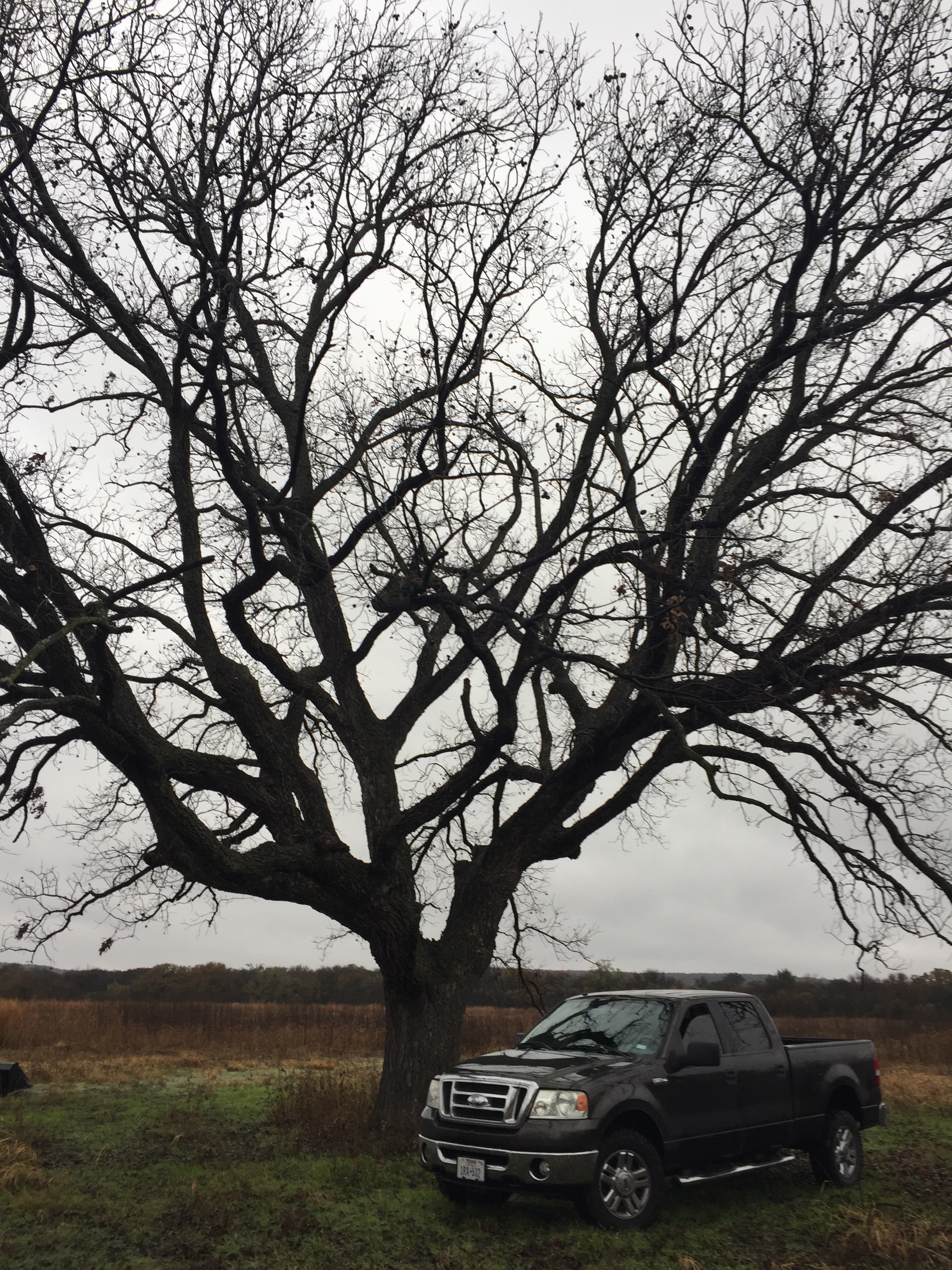
Late, Damp Fall Day at the Field

Light rain has fallen in the field. Late fall temperature is 53 degrees, the grass remains green, but most of the pasture has gone into dormancy.  The pecan tree has shed leaves and pecans.

I like the lane shown in the photograph above. Going east on the lane I leave the field, but coming towards me with the camera, I leave behind the traffic on the state highway and enter a different world of green lanes and a tractor that needs its engine turned over.

4 Comments

Filed under Bluestem Field Log, Christmas, Field Log, Flying Hat Ranch, Life in Balance, Pecan

Life is a Ditch: Acequia de Llano San Juan de Nepomuceno

Rivulet pouring into Rio Santa Barbara upper watershed (photograph, J. F. Matthews, July 2010).

Rivulet pouring into Rio Santa Barbara upper watershed (photo by J. F. Matthews, July 2010).

Rio Santa Barbara upper watershed mature forest (photo by J. F. Matthews, July 2012).
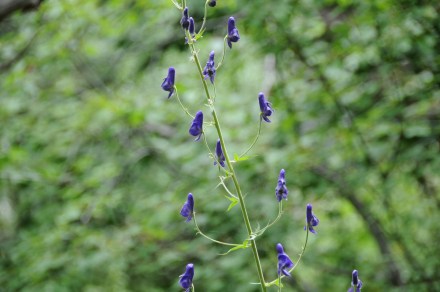
Rio Santa Barbara upper watershed mature forest (photo by J. F. Matthews, July 2012).

DSC_1989

Flora on Rio Santa Barbara upper watershed (photo by J. F. Matthews, July 2010)

DSC_1986

Flora on Rio Santa Barbara upper watershed (photo by J. F. Matthews, July 2010).
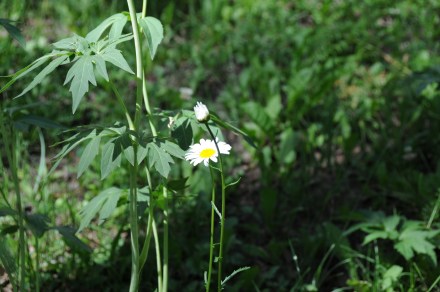
DSC_1976

Flora on Rio Santa Barbara upper watershed (photo by J. F. Matthews, July 2010).
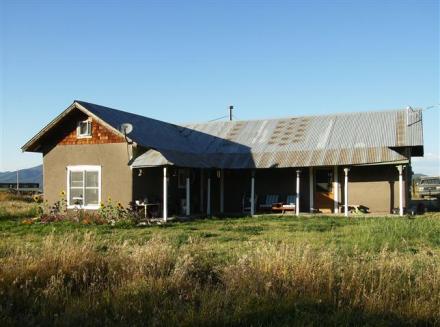
The house on 17 irrigated acres from the Acequia de San Juan Nepomoseno del Llano.  Water rights since 1789 (Photograph by Taos Properties).

The house on 17 irrigated acres from the Rio Santa Barbara Acequia de San Juan Nepomoseno del Llano. Water rights since 1789 (photograph and data by Taos Properties).

(This new post derives from my previous post, “Not mine, not yours, but ours:  Penasco Upper Llano acequias,” October 2011.)

From Amarillo, Texas, I drove to northern New Mexico in 1968.  I traveled by way of Las Vegas, Mora, and Penasco, making camp along the upper watershed of the Rio Santa Barbara for a few days.  I vividly remember a man plowing his field with horses near Mora and the narrow strips of farm land that bordered rivers and irrigation ditches.  The narrow strips of irrigated land not only reflected a precise lay of the land by residents and survey crews, but the long lots reflected a community, a meshing of rural families alongside a water greenbelt.  In later anthropological field trips, I took my Amarillo College students by the Pecos River irrigated plots along State Highway 3 that ran from Interstate 40 to Interstate 25 between Santa Rosa and the Pecos Pueblo.  (Click to see Google map of the Pecos River plots.)

The system of irrigation is called acequia, referring both to the irrigation ditch and the association of members organized around it.

I have never owned land in New Mexico, but if I did I would buy a parcel of land that had water rights to an acequia, a system that stretches back in time to Native American communities before the arrival of the Spanish who brought laws respecting community water rights (riparian rights).  Having land that possesses an acequia, one gains entry into a community that cleans, rebuilds and nourishes the ditches and, further, is granted rights to meet in a democratic association to discuss apportioning water and policies affecting owners that border the irrigation ditch.

Several weeks ago, I came across a piece of property near Penasco that if I could sell my ranchito, I would buy and move my horses and equipment post haste to Penasco Upper Llano.  See the following Google map:  This is the map-image of the Penasco Upper Llano property and other long lots of community property.

This particular piece of property with the house pictured above is located in the high country between Taos and Santa Fe and can produce 700 bales of hay a year.  The water rights go back to 1789, the year that the United States inaugurated its first president, George Washington.  The surveyor’s plat looks like this:
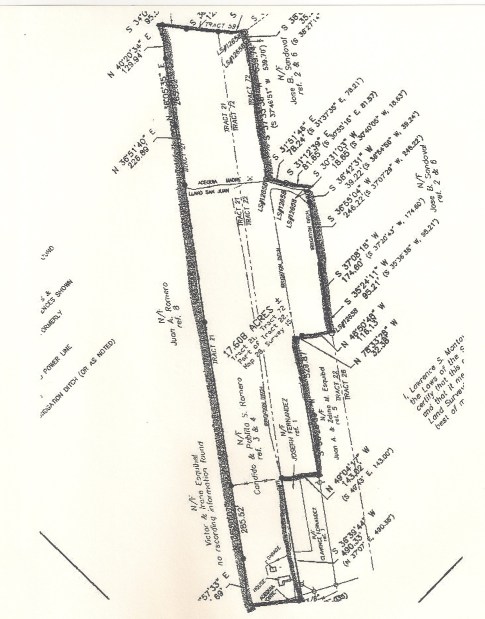

Several good books and narratives have been written about the acequia culture.  Stanley Crawford in his work, Mayordomo: Chronicle of an Acequia in Northern New Mexico (1988), writes of the acequia culture:

There are few other civic institutions left in this country in which members have as much control over an important aspect of their lives; relatively autonomous, in theory democratic, the thousand acequias form a cultural web of almost microscopic strands and filaments that have held a culture and landscape in place for hundreds of years….

Ditch-cleanings are all very much the same, and in this they often feel more like ritual than work.  The crew varies from year to year: a couple of old men don’t turn up each year, a couple of boys barely able to handle a shovel, fifteen- and sixteen-year-olds, take their places; the weather is better or worse than some vague notion of what is usual, mayordomos come and go and some are responsible and fair, others vindictive, punitive, almost military, others are lazy and heedless of the needs of the ditch; and the crew can be a good-natured, hard-working creature, or sullen and complaining and evasive, qualities perhaps dictated by the amount of pride or fear circulating through the hearts of both those in charge and those doing the actual digging….

Buddy Manzanares who, on one of my last perfunctory inspection tours half an hour from the end of the spring digging, calls on me to admire a meticulously dug out and cleaned up tarea [a grave-size chunk of the ditch], with the banks cleaned of grass and squared neatly where they end in the bottom of the smoothly shoveled-out channel….This man knows how to make this small thing, this chore, into more than we commonly imagine, and what can be more important to know in this life, than just that.

Mayordomo, pp. 176, 224, 228-29.

The deep thing about acequia that attracts me is the ready-made community that circulates around water rights that nourish subsistence crops and the growth of hay.  The isolation of many Texas ranches and the people that tend them and steward their animals is not good; in fact, it diminishes the rancher to a coarse individuality that thins the possibilities of  human endeavors, insinuates a obsessive pecuniary attitude about the land and narrows civic — read unselfish — behavior to the mere casting of a vote once or twice a year for politicians.

There are western ranching communities that transcend these deficiencies, I grant you, but the tendency has been to sell out or buy more land, thus expelling more people from the agrarian way of life.  I have experienced this and have witnessed the deleterious affect upon my family.

I do not romanticize the acequia culture because it is a human community and there will be conflict and law suits.  Nonetheless, there exists an association of men and women meeting about water and how to nourish their livestock, beans, alfalfa, corn, tomatoes, okra, flowers, lawns, chilis, vineyards, peaches, plums, apricots, coastal bermuda, roses, trees, and every other conceivable plant needing water that flourishes from the earth.  Having an acequia culture forces upon us the lesson about sharing in real, material ways that no desk-bound, box-bound person will ever learn.  The basic premise is:  water is limited, we all need it, how will we share it?  And, how are we going to keep it coming down the ditch?  The answer: let’s talk about it, let’s vote on it, let’s implement our decision, and we will meet again.

Like so many other things in life, the ditch is more than a ditch.  The acequia and the water is not mine, not yours, but ours.  Water is life, and in this case, Life is a Ditch.
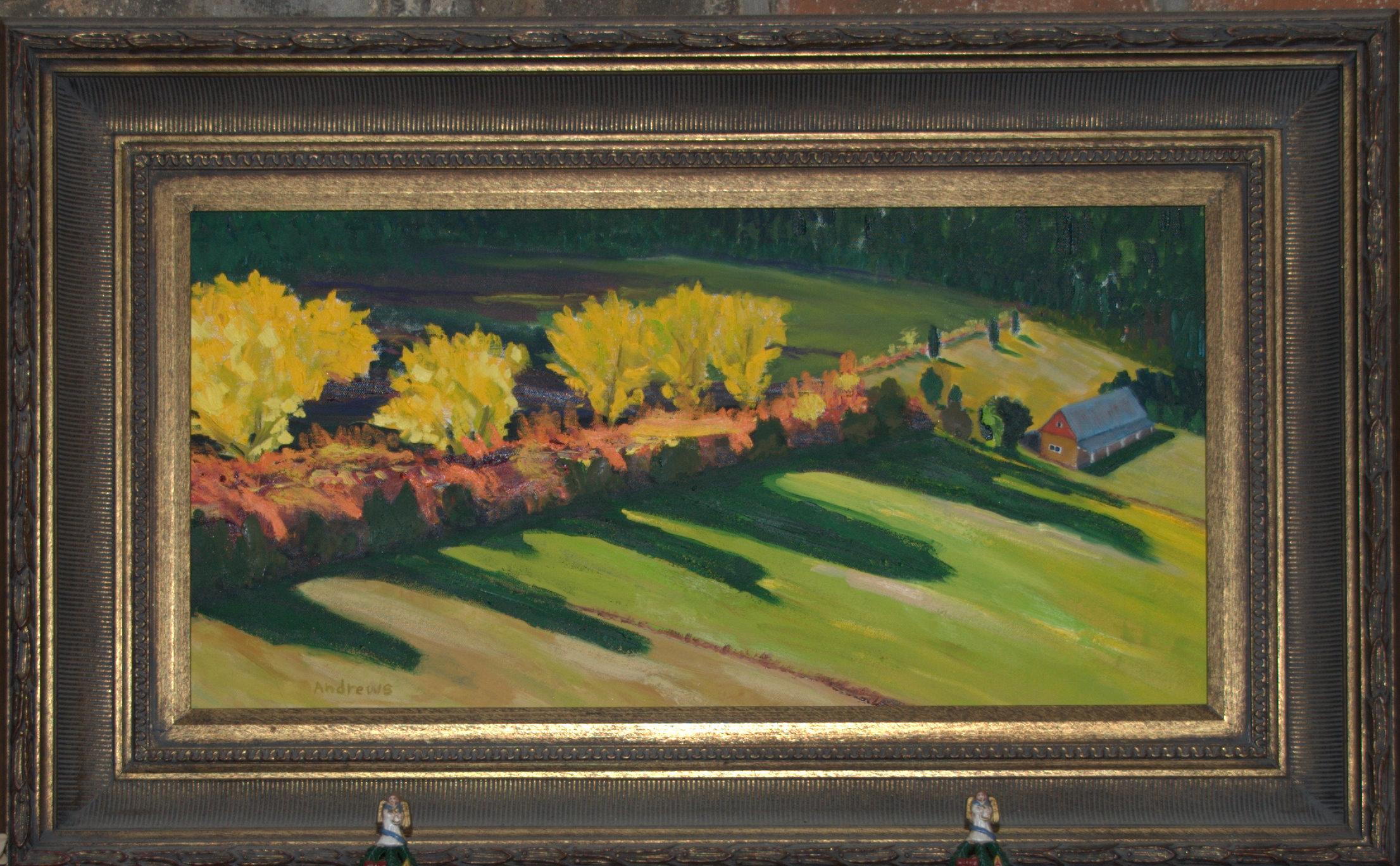
Acequia near Vadito, New Mexico, (Vadito II, oil by Eric Andrews, Taos, personal collection of J. Matthews).

______________________________

Notes, corrections and additions:

The language keyboard for Spanish and diacritical markings frustrates me.  Hence, the Spanish diacritical markings for “Penasco” are missing, although about every 20 times, I can get the tilde above the “n” in Penasco.  If anyone has any suggestions within the WordPress format to easily apply diacritical markings to writing, please comment or drop me an email at matthewsranch@msn.com.  I am intent upon using proper markings, but I am not going to spend ten minutes every time I need a tilde to paste it on.  Can Windows Vista do anything right?  Of course they can, but you have to update your browser every five minutes.  And, then restart.

7 Comments

Filed under Life in Balance, Taos

Young Pecan Tree


I am in Far Field this morning. The grass is high and here and there in the field are young pecan trees leafing out. There is a large pecan tree in the field and a unkept grove of pecan trees to the south of me on the Old Bryant place. 

In letting these young pecans thrive, I do so to let things live, grow as they might, and perhaps in the future a nesting place for birds, shade for Angus cattle. And, a few pecan nuts will in the distant future be picked up, pocketed. 

Who might rest in the shade of the young pecan tree?  I do not know, but some living thing will find comfort. I hear birds singing. 

8 Comments

Filed under Bluestem Field Log, Field Log, Life in Balance, Monarch Butterfly, Pecan