Category Archives: Flying Hat Ranch

Nuzzles and Campus

Horses on Bianditz mountain, in Navarre, Spain...

Horses on Bianditz mountain, in Navarre, Spain. Behind them Aiako mountains can be seen.

My summer has ended.  Although the season does not astronomically change until September 21st, my summer is over.  I will feed the horses in an hour or so, then drive the interstate highway to campus, officially beginning the Fall semester.

Our summer has been dark and bright, jagged and smooth.  Broomweed has been shredded, horses husbanded and a vacation to the high country taken.  Brenda painted our doors Taos blue and green, symbolizing a color that repels the ills of the cosmos.  But they also look beautiful.

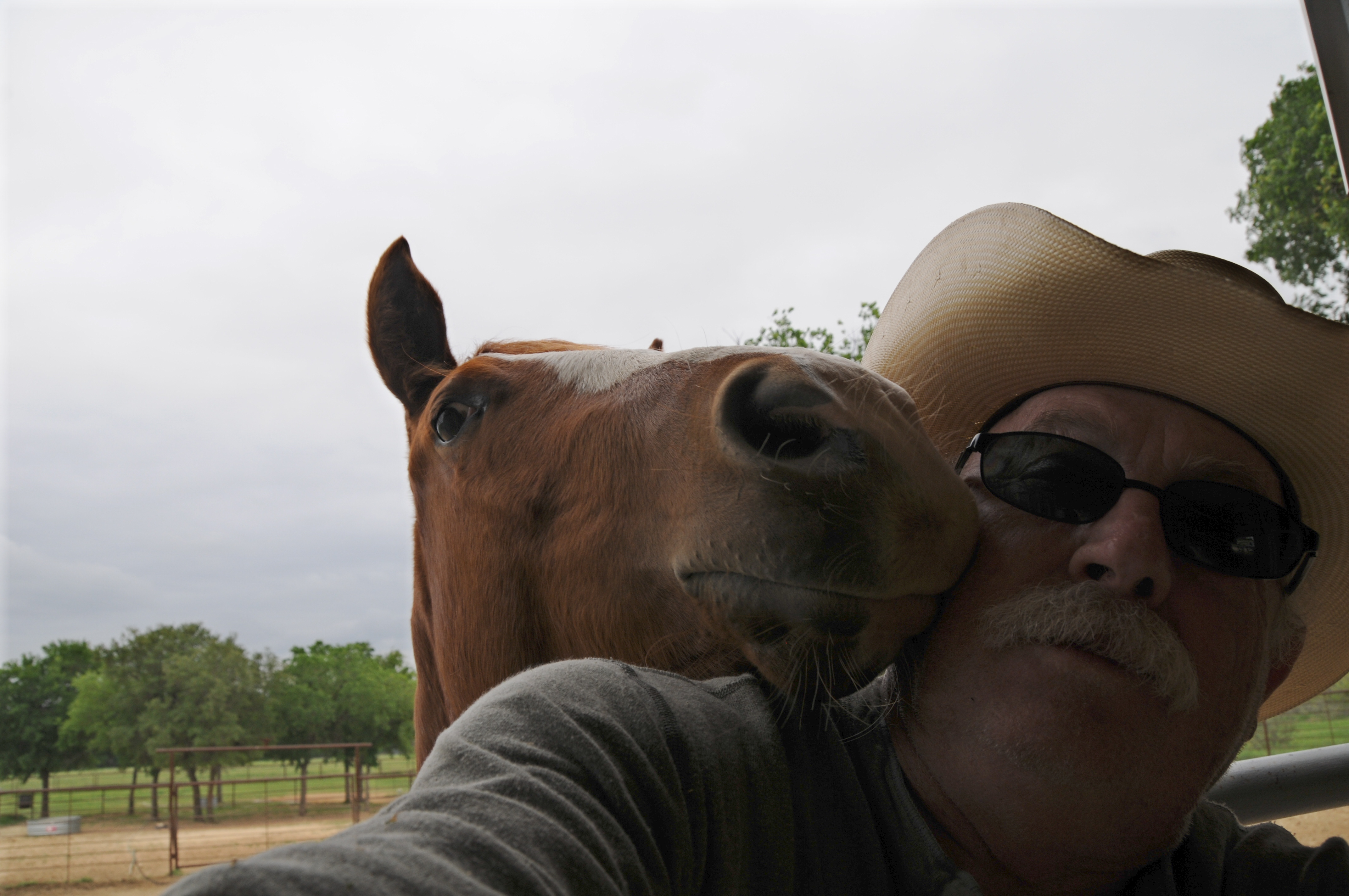
Here is one of my favorite pictures that I will carry with me as I return to campus.

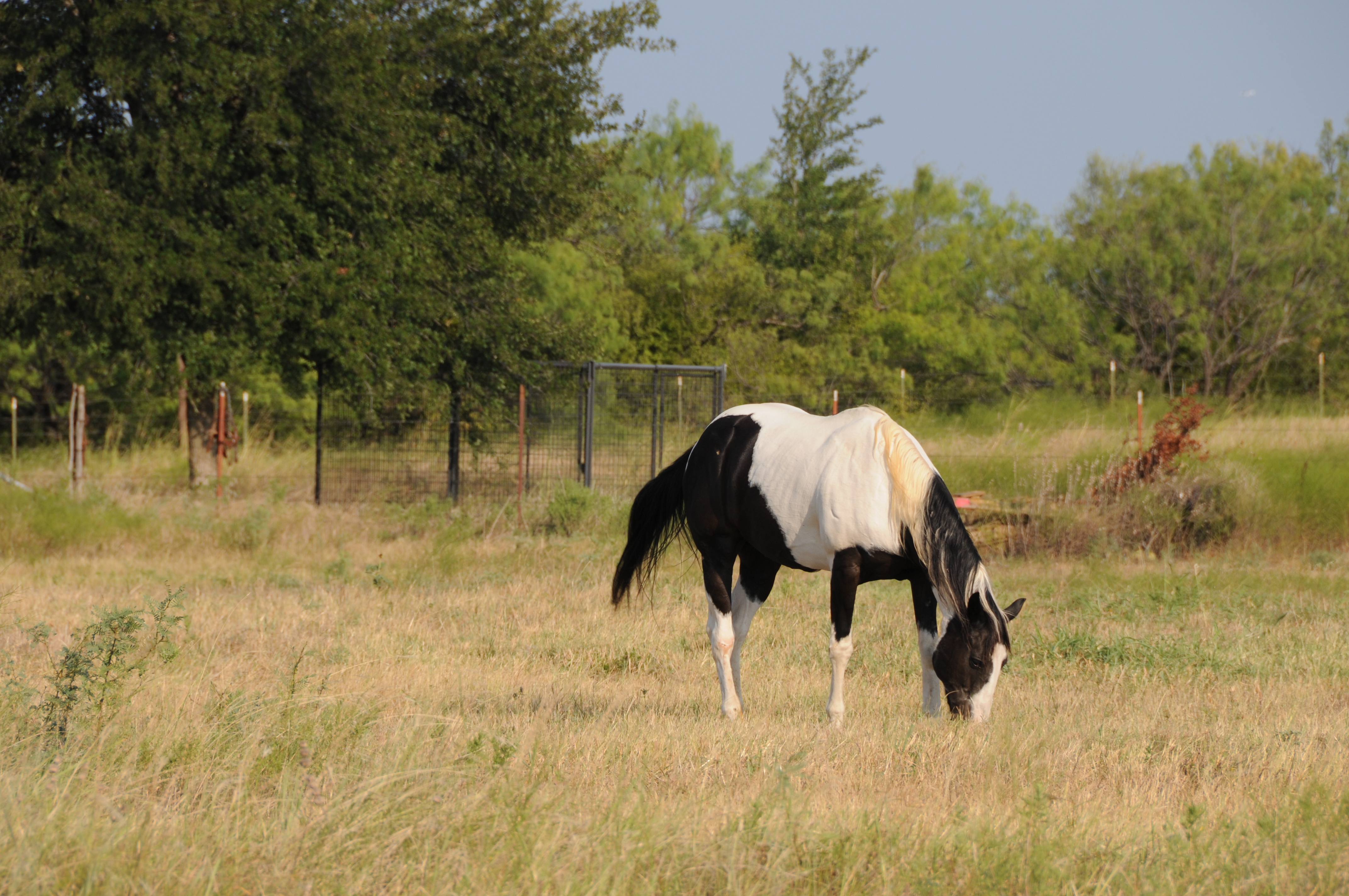
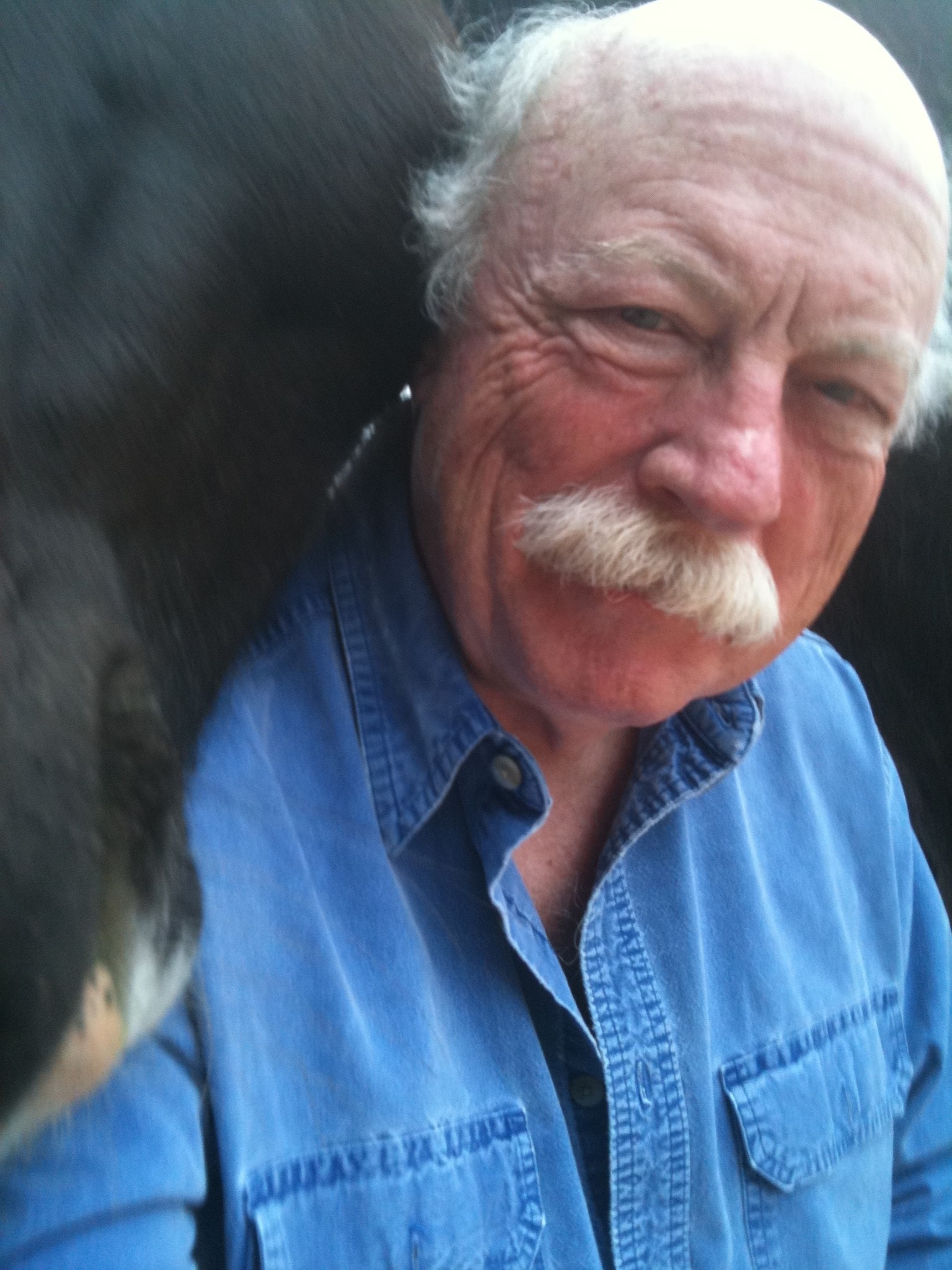
Shiners Fannin Peppy "Fanny" Nuzzling Jack

18 Comments

Filed under Flying Hat Ranch, Horses, Shiners Fannin Peppy (Fanny)

Four Standing Orders for a Texas Ranch

As written in a previous post, if we had to wait for cooler weather in Texas to get anything done, we’d never get anything done.  For our operations here on the ranch, we have four standing orders that must be accomplished everyday.

The First Order is feed the horses twice a day, once in the morning between 7:00 and 8:00 a.m. and in the late afternoon between 5:00 and 6:00 p.m.  During the summer, I watch the shadows lengthen at five o’clock in the afternoon from the mesquite and live oak trees surrounding the corrals and barn, a signal to feed.  Although the temperatures are high, the shadows present a significant measure of relief.  In the open sun, the temperatures have reached 115 deg. F. this summer.

The Second Order is to fill three water troughs in the two corrals and stable.  Horses consume water in large quantities.  We are dependent on Barton Creek Water Cooperative for potable water at the house and at the barn.  We have a large stock tank in the front pasture and in Pecan Tree Pasture, a half-mile away and across Salt Creek, there is a large circular water trough filled with Barton Creek Coop water.  All water troughs must be at least one-quarter full.

The Third Order is to physically check the health of all the horses, from head to tail, hoof to withers, and apply medicine or fly spray (marigold tincture, not oily, water-based) to los caballos. Horses are bound, like toddlers, to get cuts and scrapes, sometimes worse.

Fourth Order is to check fences where the horses are turned out.  This may be done on horseback, in the pickup or using binoculars.

When we run a herd of cattle, these four orders apply to their pastures and browsing areas.  In addition, certain Niman Ranch protocols (c) must be followed if the cattle are certified Niman Ranch.

Feed, water, check the health of the livestock and fences dictate four chores that must be accomplished, summer or winter.

* * *

The front pasture has been shredded of its broomweed.  I leave large swatches of tall grass for the critters.  Perhaps one day quail may come back.  I’ve only seen one covey here at the ranch in eight years.  They will nest in tall grass, dead grass.  To completely shred a pasture destroys that cover.

* * *

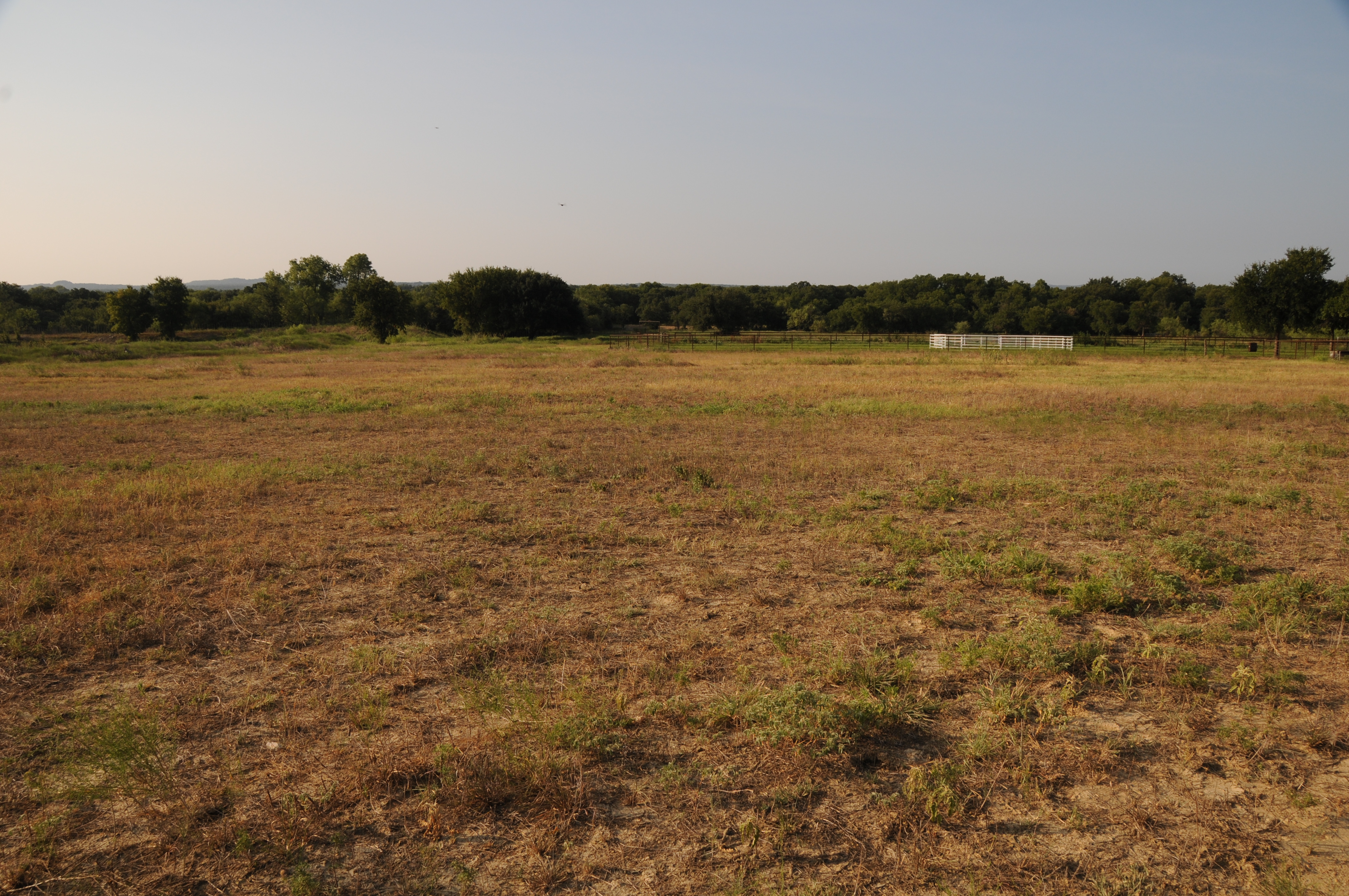
Summer Pasture Flying Hat Ranch, August 2010

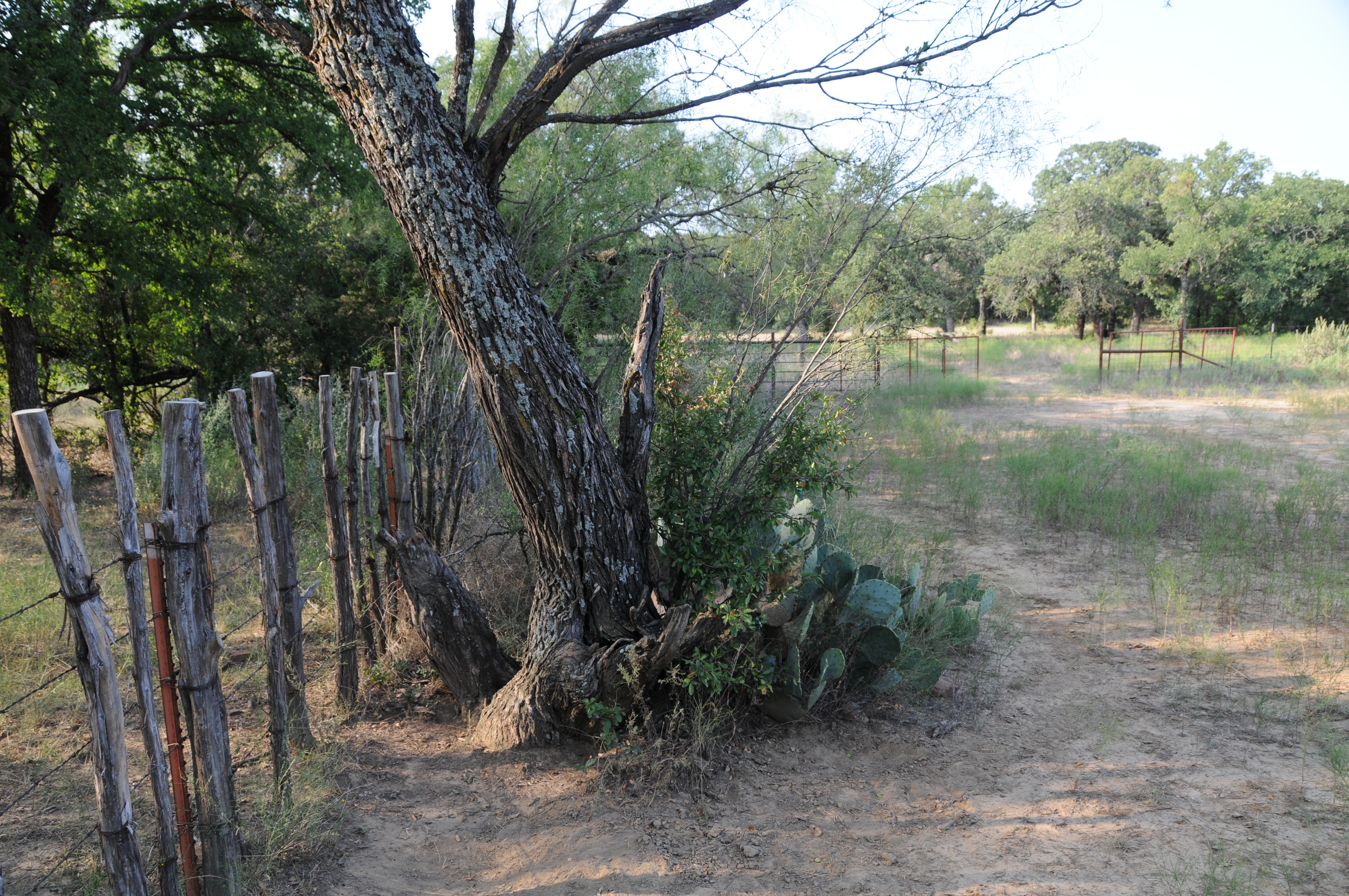
Several days ago I posted “Cactus Illusion,” a momentary scare that our oldest mare, Lilly, had become entangled in the fence at the area she loafs, next to the Hall place on the east side of the arena pasture.  I have some photographs of that area.

As explained in the post, I was a quarter-of-a-mile away, using the binoculars to examine the fence line and check on the horses at mid-day when I thought I saw Lilly down and entangled.  The sun and my crisis mode at the time played a trick on my behavior as Brenda and I sped to the area to rescue Lilly.  She was just fine, loafing in the grove area underneath a live oak tree.  We were terribly relieved that it was a cactus illusion.

Getting adapted to working Texas summertime heat requires thinking ahead more than usual.  By and large, work should be done before 10:30 a.m. so that the work during the heat of the day can be accomplished in the shade or in a barn with good circulation.  Large circular fans, 10 to 15 feet in diameter can be installed at the top of a barn or enclosed arena.  We don’t have those fans, but we work on the breezy porch or in the alleyway of the stables.  I use misters in the stables.

Take a lesson from livestock during the summer.  Rest and loaf in the shade during the heat of the day.  Browse in the early morning, evening and night.
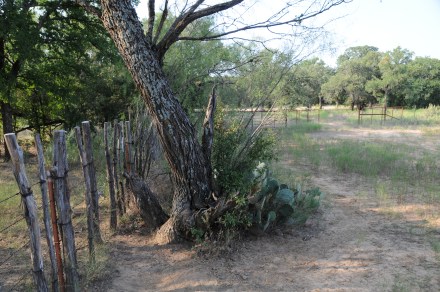
Paint Horse Lilly's Loafing Area, Cactus Illusion

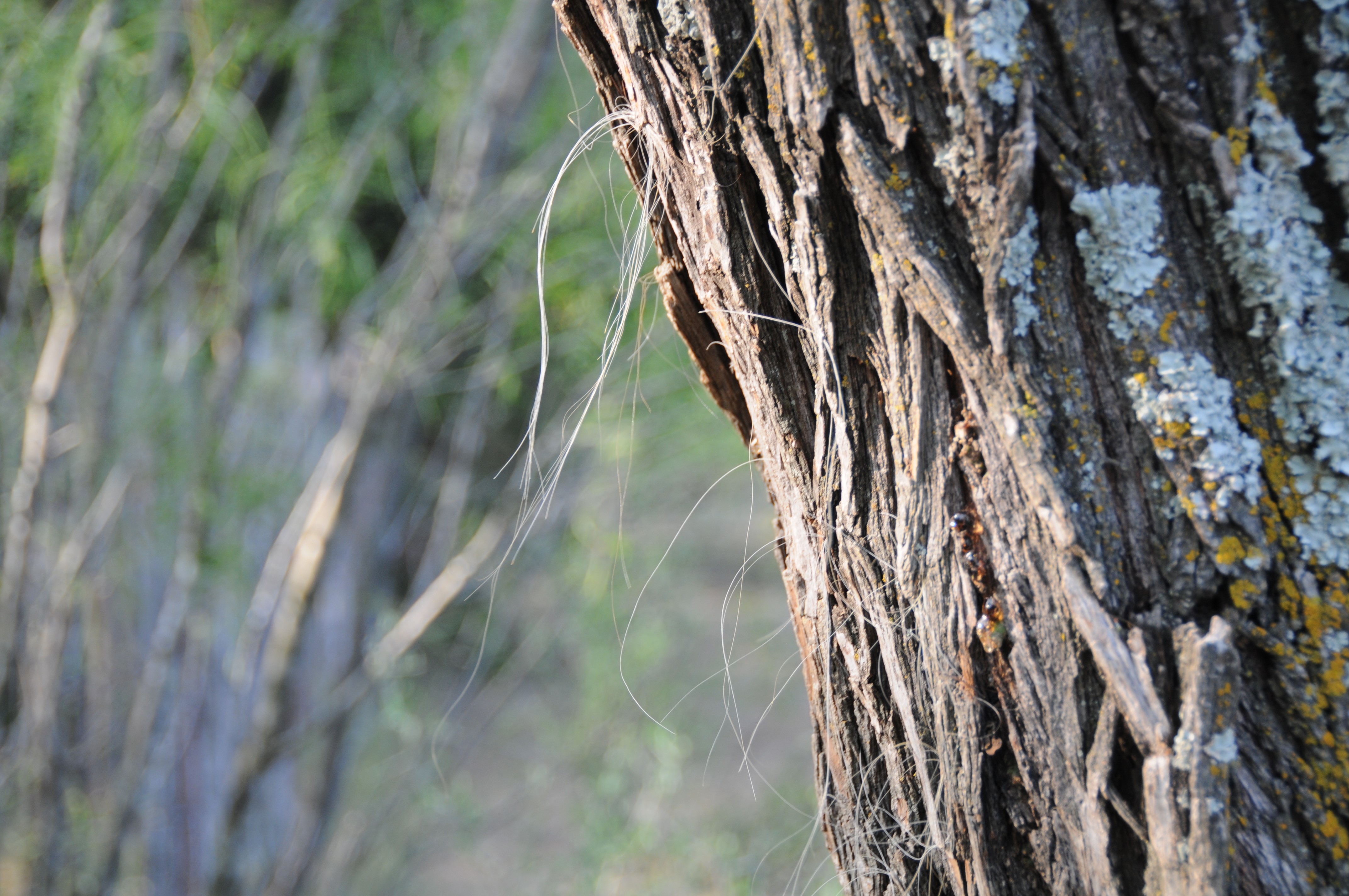
Lilly's Mane Hair at Loafing Station, August 2010

Ima Lil Moore "Lilly" browsing early in the morning (8:30 a.m.) before going to her loafing area along the fence line.

For Lilly’s pedigree and other photos, click on Ima Lil Moore APHA 111214.

______________________________

Notes:

The Niman Ranch protocols may be found under the link for our ranch: Niman Ranch Beef Cattle protocol.

The Niman Ranch website. Here you may find a list of ranches specializing in the protocol as well as sources to purchase the high-quality meat.

We have not had a cattle herd since 2009.  We specialize in Angus cattle.

8 Comments

Filed under Flying Hat Ranch, Horses

Siesta in Mingus

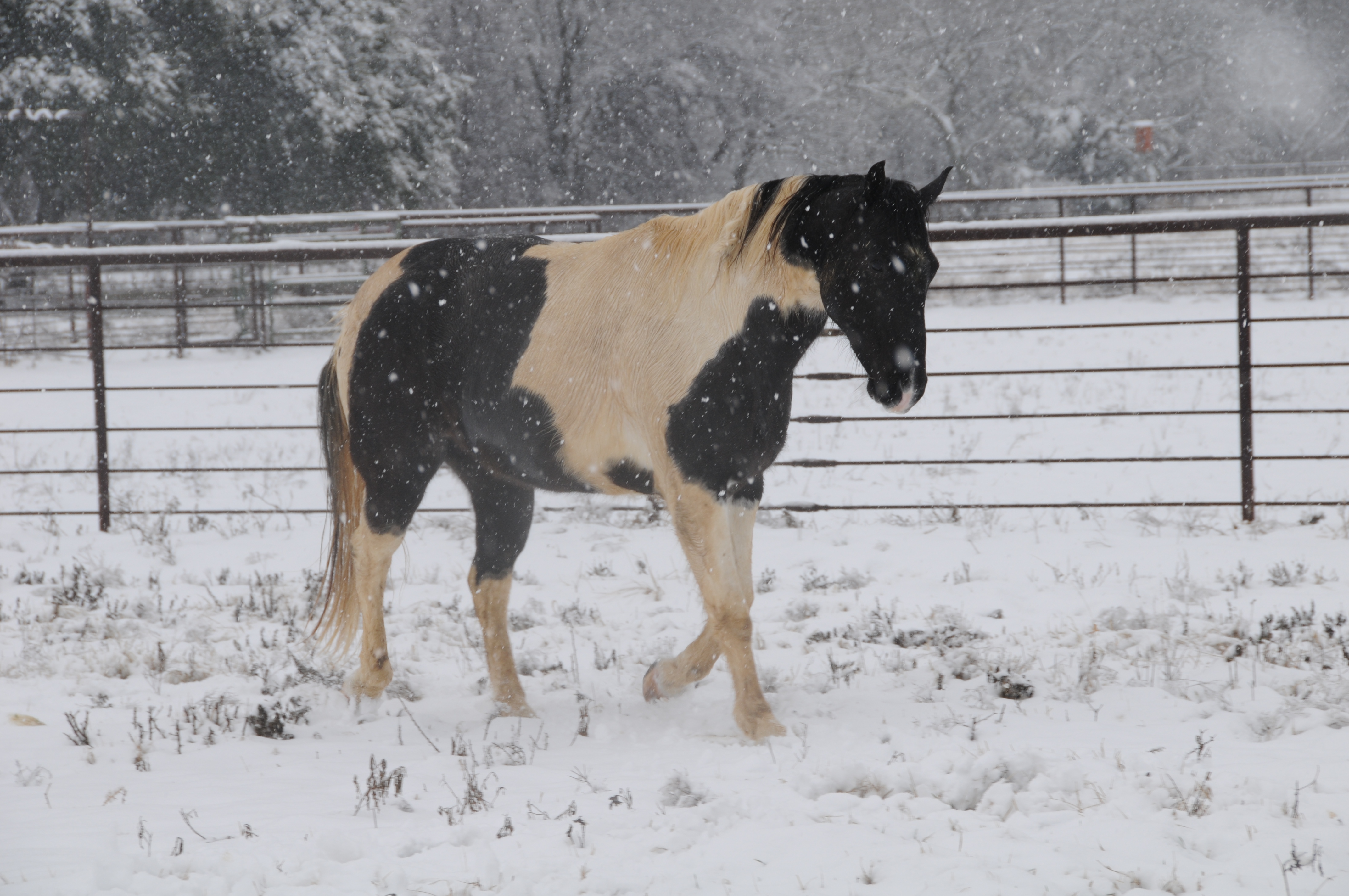
Texas heat and the great, fiery bronze orb in the sky drives us into long siestas these August days.  Temperatures in the 100s bleaches the hair on my horses.  Star, my big paint gelding, loses the black color on his head to a color of creamed coffee and his browsing during the afternoon comes in bursts of fifteen or twenty minutes before he seeks the shade of the live oak trees in the corral.

I stay inside the house from about 11:00 a.m. until 6:00 p.m.  At six o’clock I go down to the corral to feed the horses and my barn cat, Painters.  But, most of the day is siesta, hiding from the heat.  If this is a foretaste of global warming, we are all in for despairing afternoons.   Buy misters to put on the porches, turn the air conditioners to 75 deg. F. and put the ceiling fans on medium speed.  Put ice cubes in the bathtub with your daily wash.

The highest spot in Texas is in the Guadalupe Mountains of west Texas.  Guadalupe Peak is 8,749 feet.  Is it cool there?  The National Park Service that manages the park does not report the temperature on their web page.  I frankly can’t answer if it is cool or not on Guadalupe Peak.  I’m busy taking my siesta in Mingus.

12 Comments

Filed under Flying Hat Ranch

Hallway and Alleyway: Country Style

In the country, hallways and alleyways are often crammed with tools, coats, hats, hay and feed, not to even mention dogs and cats.  The hallway and alleyway to home, barn and stable give additional shelter and protection during a rain or busy day.  Mudrooms are quite common on farms and ranches as well as wide porches, some extending all around the house.  Porches may be a place to relax, but the porch chairs and swing share space with barrels, boxes and rope.  It’s not all neat and tidy on the ranch.

Ranch House Hallway (Photo by J. Matthews, 2010)

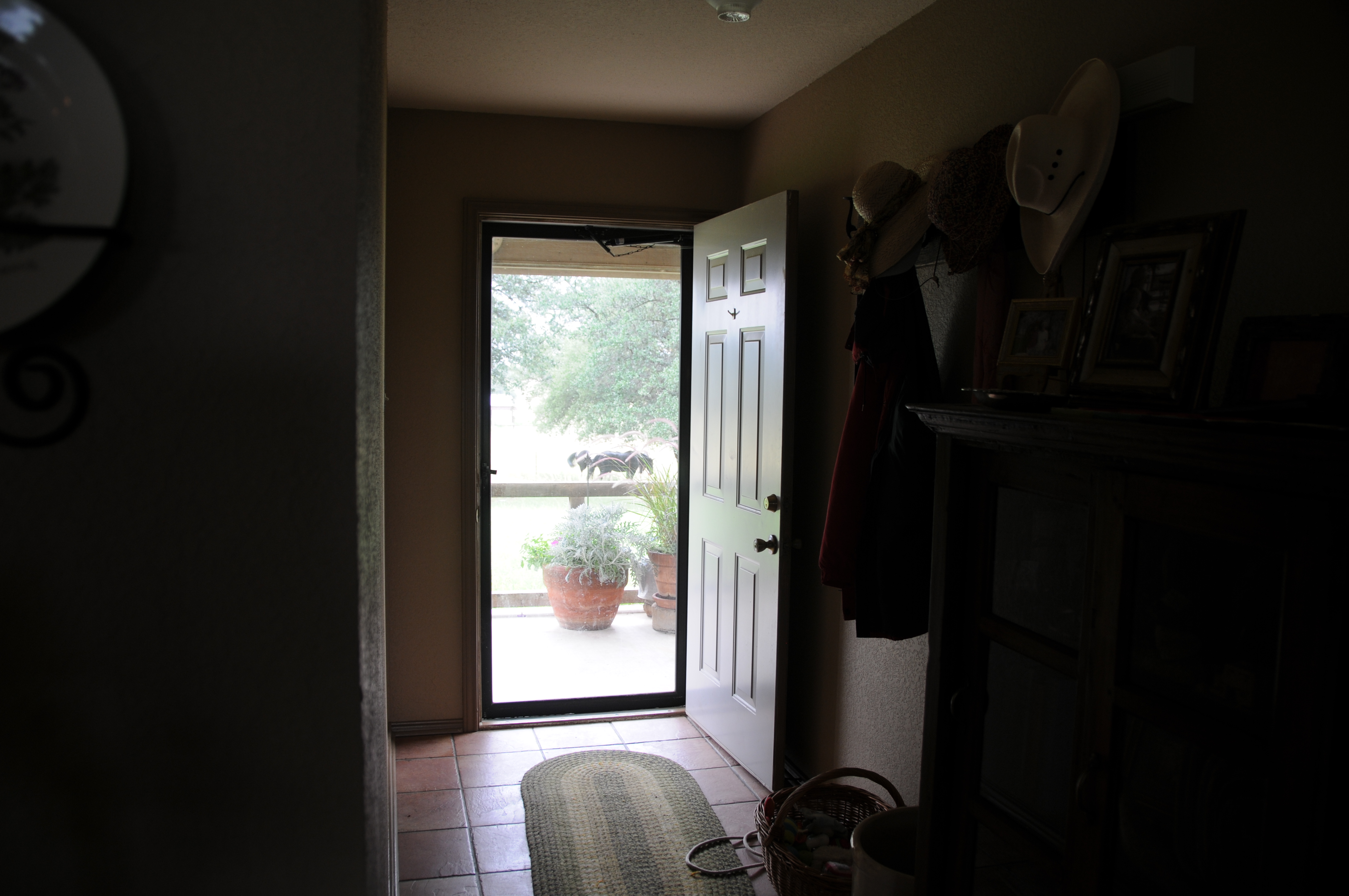
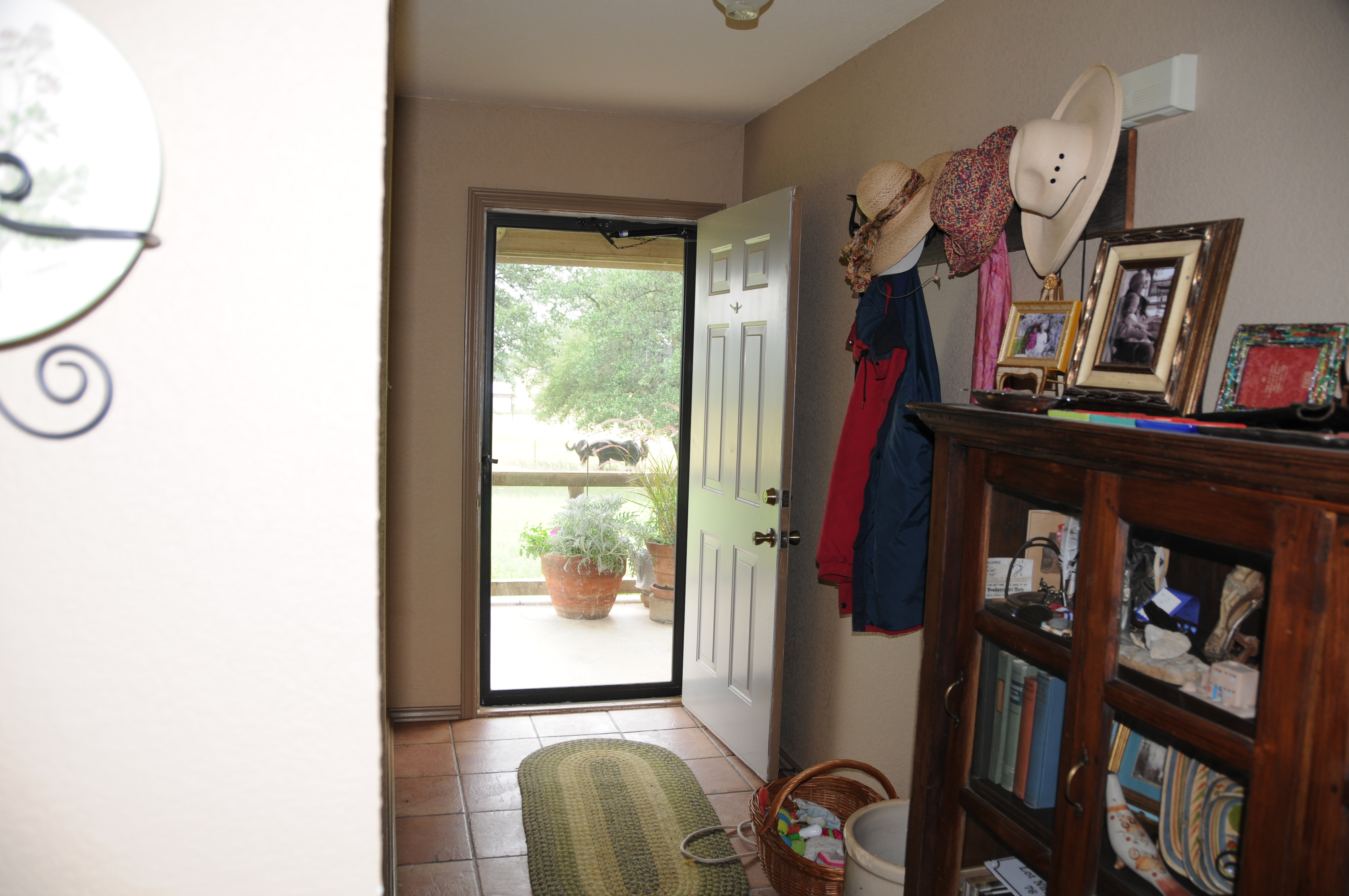
Here is the hallway in our home that extends out onto a small, front porch that has a couple of rope-crossed chairs and flower pots.  The barn cats often come up to the front porch to lounge because it faces north and has ample shade.  The front porch is merely an entryway for the house, but the back porch extends the length of the house.

The hallway has a hat and coat rack on the right side of the photograph.  I have counted as many as ten hats and caps on the rack, and during the winter, coats and rain gear hang appropriately for convenient use.

Hallway by Flash (Photo by J. Matthews, 2010)

The second photograph of the hallway, illuminated by the modern invention of flash, illustrates the glass hutch with books, photographs, Native American pottery, prehistoric-lithic tools, horse bits and spurs.   Hallway as museum.

In the old days before air conditioning, porches would be screened-in and iron bedsteads would be moved out onto the porch so that you could sleep in the mild night air.  I was not interested in sleeping on a bed on a porch, but preferred to sleep under a sheet within the house, tolerating the heat until morning.  I might move a pallet into the hallway beside the screen door.  Hallway as bedroom.

The barn alleyway this morning shows hay bales from Arizona.  These bales weigh 100 lbs. and are three-stringed — barely manageable.  The first set of bales on the wooden plat is alfalfa; the second set is coastal bermuda.  These bales provide about a week-and-a-half of hay to four horses.  I have been cleaning out the barn and opted to put the hay in the alleyway for a time to allow the barn to dry out and give me some room to move tools and implements around.

Barn Alleyway with Hay (Photo by J. Matthews, 2010)

Hallway and barn alleyway — country-style — have multiple uses and are always comfortable spaces for storage and resting.  Let the cool, fresh air flow down the barn alleyway and things are good whether you are from the city or country.

6 Comments

Filed under Flying Hat Ranch

Herbs on Flying Hat Ranch

One of my major objectives in writing about nature is to bring people out into nature, the woods, desert, mountains or, even, the backyard.  The population of this planet congregates in cities, but even there, nature abounds in established parks, vacant lots, terraces and backyards.  Within our backyard here at the ranchito, we grow herbs for cooking.  The stewardship of nurturing herbal plants forces us out of the house and into our small plots to water, fertilize, prune and, best of all, harvest for the table and cooking.

Brenda cooks mostly and today she prepared mussels in a white wine and shallot broth with butter and fresh parsley from our back porch.  Since it has been raining, I’ve been inside most of the day and decided to take some photos in between the rain sprinkles of our herbs and the mussels in white wine.

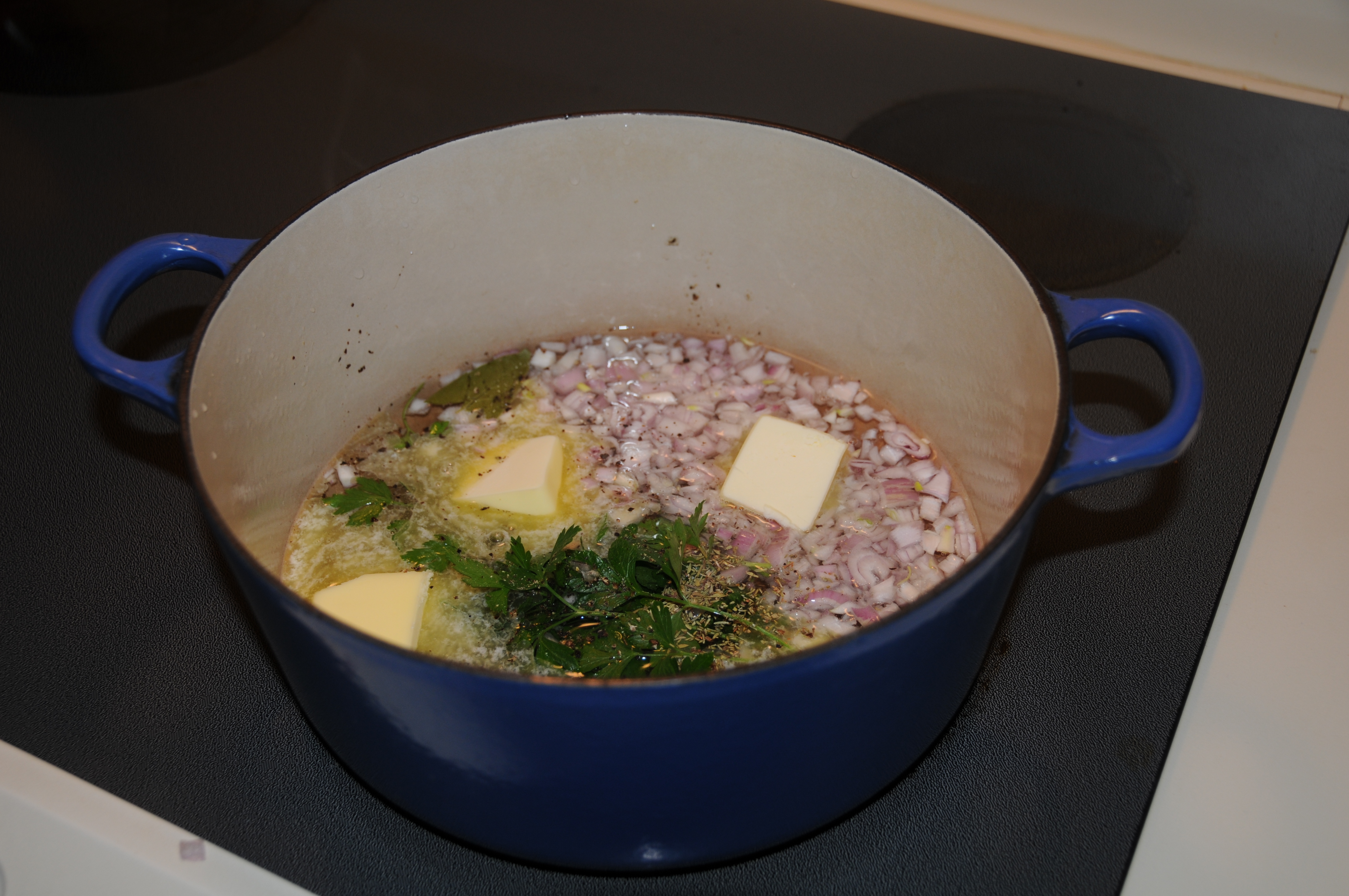
White Wine, Shallots and Parsley Broth for Mussels (Photo by J. Matthews)

A broth is prepared.  We have an all-electric kitchen and off-and-on we want to replace the electric range with propane gas.  At our previous home in Mingus, Texas, we had a propane stove and I think we had better control over the heat for cooking.  Back then in Mingus, I did not have horses and cattle, so I could help Brenda prepare meals.  I did have a small vineyard of forty plants, but that did not require constant management.  The parsley that you see inside the Creuset dutch oven is from a pot of parsley on the porch.  The Creuset dutch oven was one of several Creuset pieces we have purchased over the years from a Creuset outlet store near San Antonio, Texas.

Mussels after Boiling

Here you can see the mussels, after being boiled in white wine and shallot broth, have opened up.  We’ve all been trained in family etiquette, so the eating of mussels with small forks or other instruments is known well.  Well, there’s another way to do it!  Take the mussel out of one shell and use the empty shell to pick the mussels out of the others — a method showed us by a French waiter from Marseilles.

Lunch Table with Mussels at Flying Hat (Photo by J. Matthews)

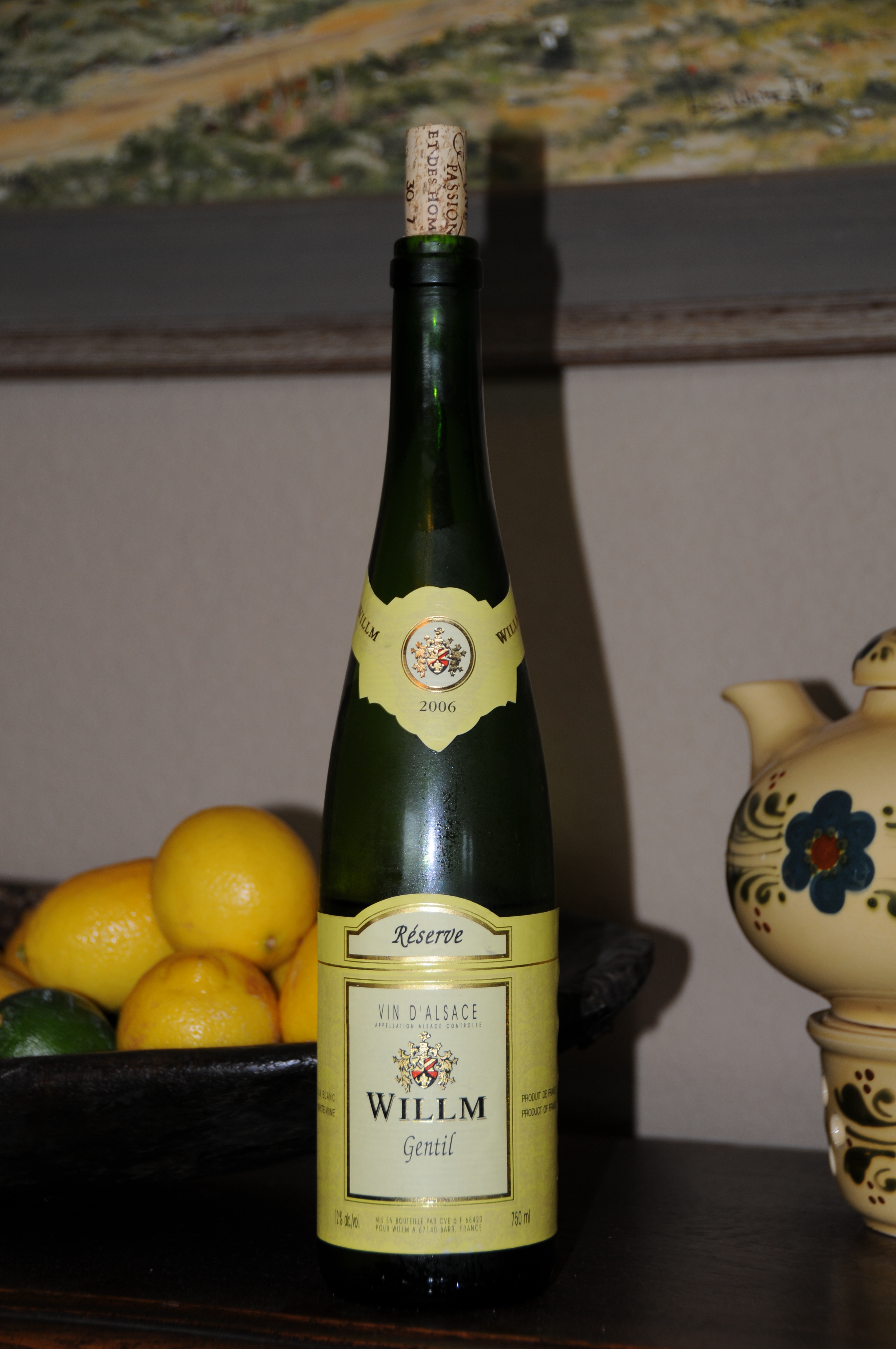
Vin D'Alsace, Gentil, 2006 (Photo by J. Matthews)

Brenda and I sat down at our French farmhouse table (late-nineteenth-century) and ate mussels with a 2006 Vin D’Alsace Gentil.  It was a dry wine and we enjoyed it immensely.  After we sat down, Brenda remembered that she needed to put fresh parsley on the mussels, so she did, but I did not get a photograph of the parsley on the pile of mussels because I was chomping down and quaffing wine.  After all of the mussels are consumed, we take the shells out onto the pasture road and place them in washouts.  At night, critters browse on the remains of the mussels and I have seen our mussel shells 200 yards from where I have laid them.  Our barn cats enjoy a few remnants as well.

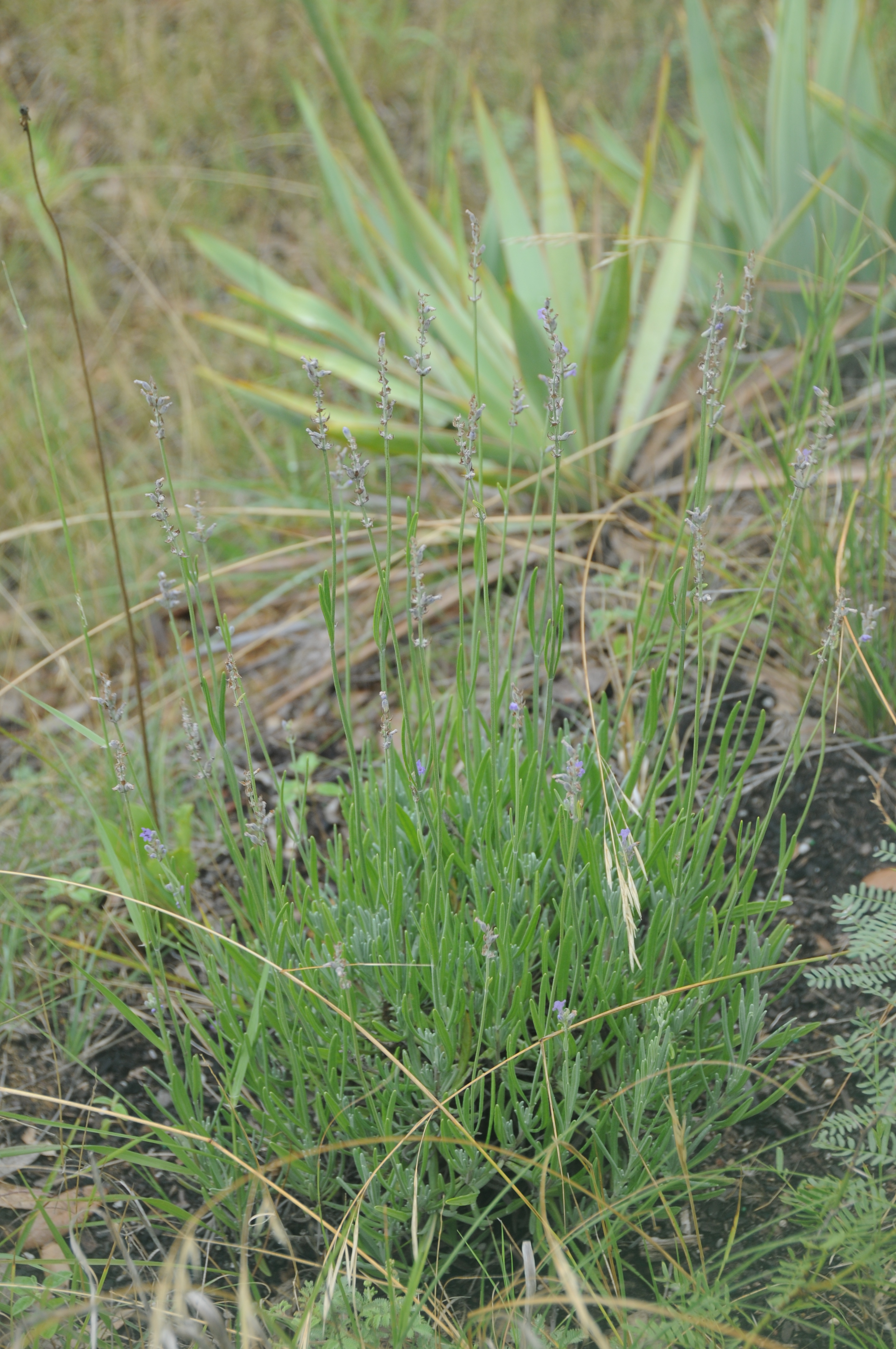
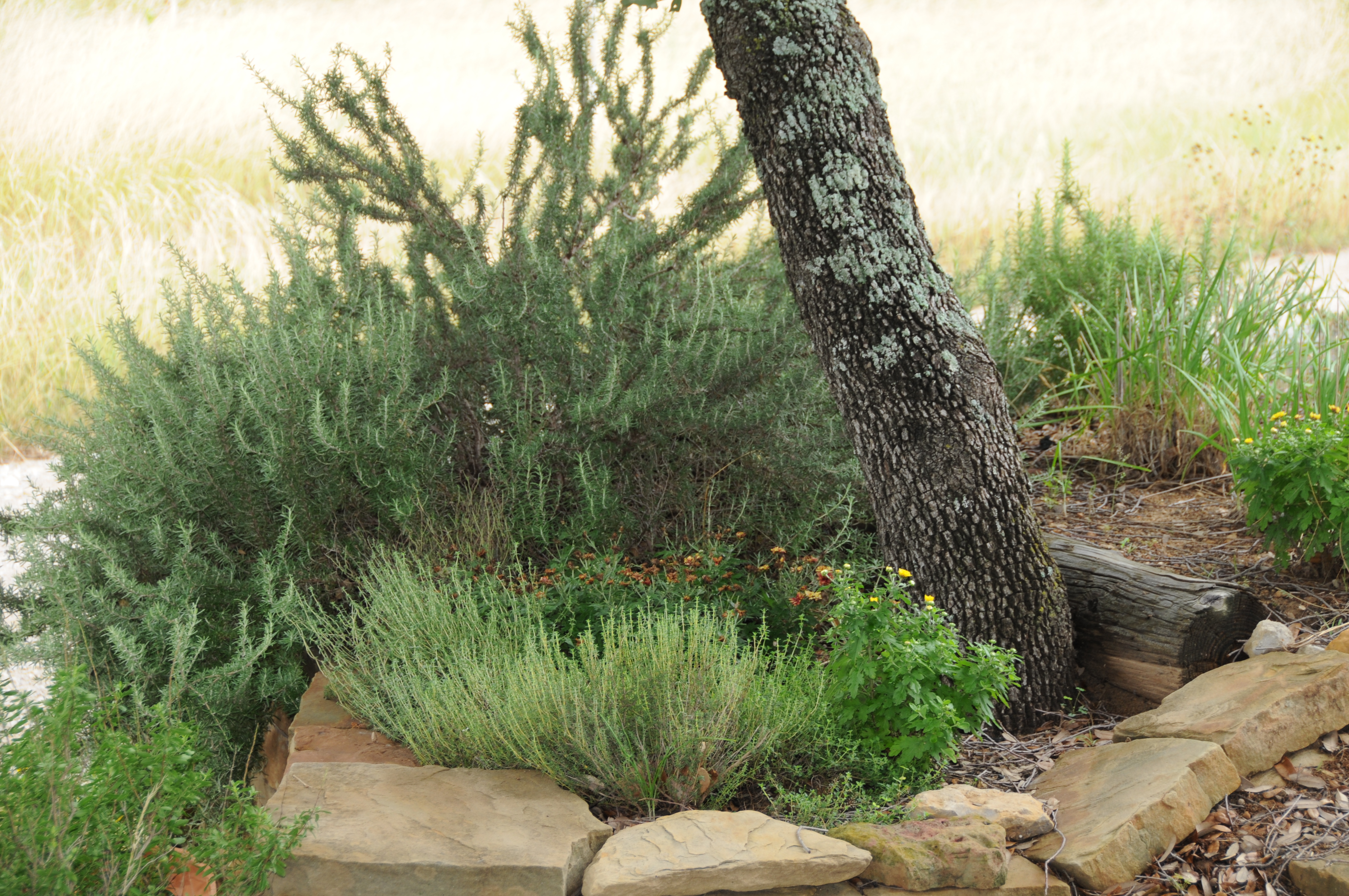
From left to right, our herbs include lavender, sage, basil, parsley and in the cluster under the live oak tree, several varieties of thyme and rosemary.

To walk onto your patio of potted herbs or amble in the backyard with a garden, you encounter the elements.  You are out of boxes called houses or apartments.  You develop a connection with plants.  As you ingest your meal, the sweetness of basil arises in your palate and nostrils and you realize treasures grow from the soil.  Not so remarkable, but then again it is:  it was with your tending that the true coin of earth becomes a part of you.

You go out of your box for a time and you learn about a little chain of being that links you to a plant that enhances your meal.  Enriches your life.

4 Comments

Filed under Flying Hat Ranch

Picnic at Flying Hat

Since last Monday, Brenda and I have been hosts to Wendy, my daughter and her two girls, Olivia and Anna Belle.

Yesterday, we drove to the Pecan Tree Pasture for a picnic at 11:00 a.m. to beat the heat of late-spring June.  We had ham sandwiches, potato chips, cookies, white wine and Crystal Lite.

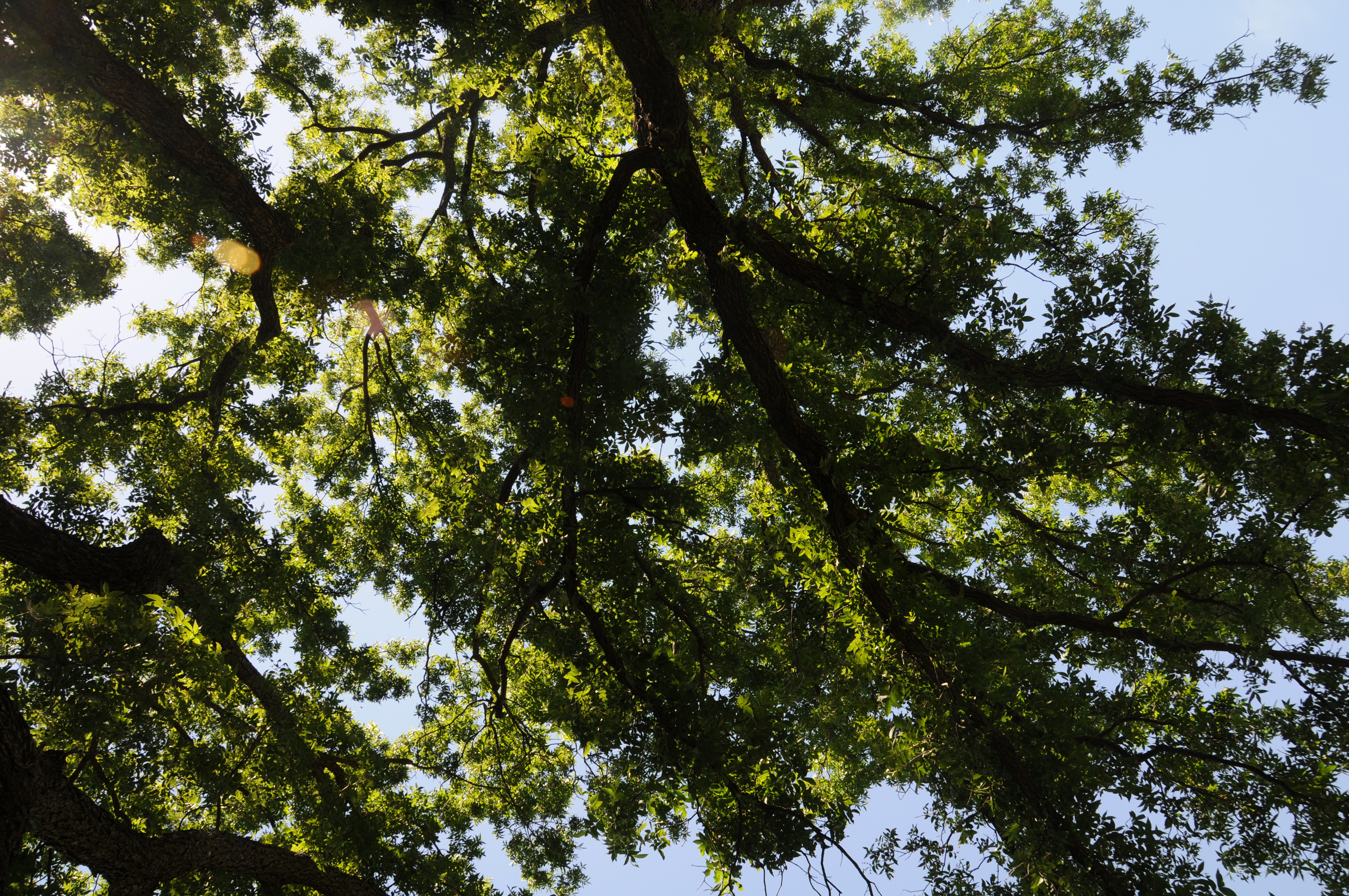
I had shredded the grass underneath the pecan tree with the Case DX-55 several days ago and we spread two tarps and several Mexican blankets on the tarps to provide a buffer from bugs and sticky grass.  We stayed in the shade for over an hour and even reclined and rested on the blankets, looking up into the tree. I dozed slightly.

Looking Up from the Picnic (June 2010, Photo by B. Matthews)

Making this picnic a bit more eventful (or painful, depending on your taste), I sang two songs, “O Bury Me Not on the Lone Prairie” and “Ghost Riders In the Sky,” songs I knew almost all the words.  I also quoted some poetry, improvised of course, in honor of the shade of the pecan tree and the slight breeze that cooled us.  Not a good piece of poetry, but my heart was in it.

Comments from the family:

Brenda: “It’s pretty hot here.  I forgot the Love Dip.”

Wendy: “Isn’t this so nice under the sacred pecan tree….We will always remember this.”

Brenda: “If it was Sunday, we wouldn’t hear as much traffic on the highway.”

Olivia: “There’s a bug!…Where are the pecans?”

Anna Belle: “Goo, goo, burble, burgle, chkk.”

Picnic Snooze (June 2010, Photo by W. Needham)

9 Comments

Filed under Flying Hat Ranch

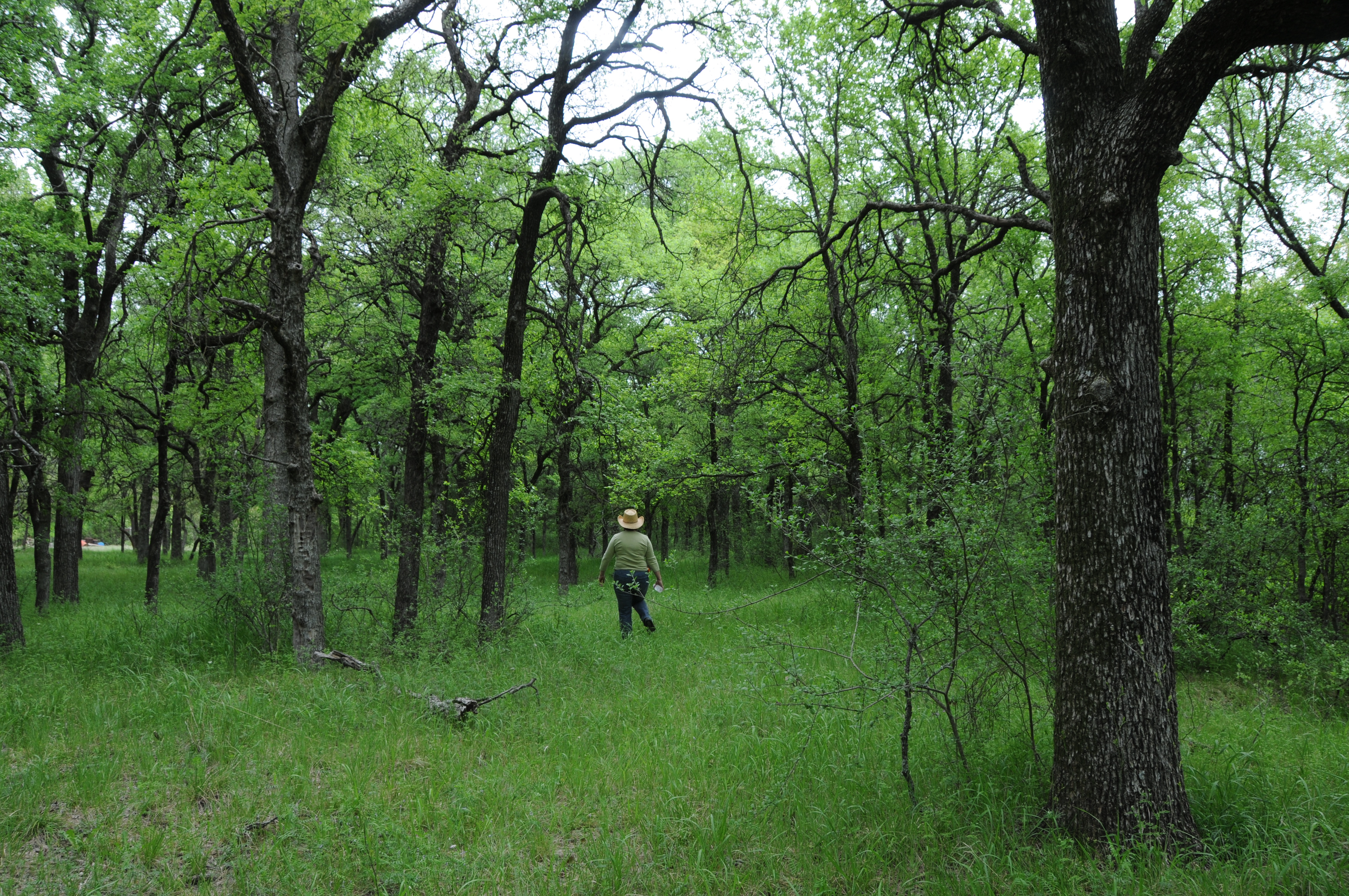
More Sunday in The Grove with Bridal Path

Salt Creek Above the Road

Sunday Saunter

I have shredded the high grass in The Grove over the past few years.  This year I intend to limit the shredding to a bridle path for us to ride horses and hike.

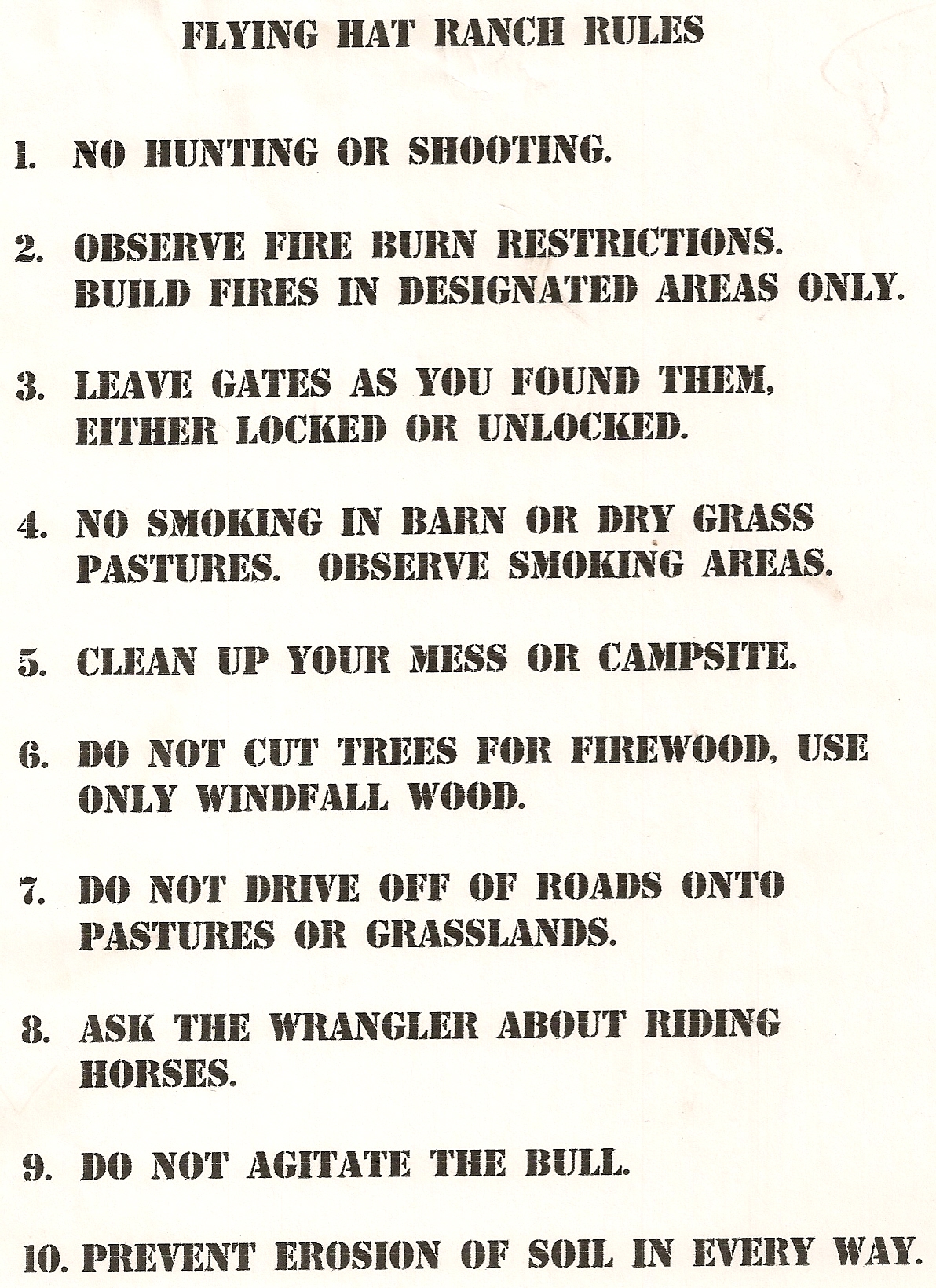
Drafted in 2003, the following is a list of rules for the ranch.  In most cases, rules are not necessary for visitors, including family.  From time to time, however, we have social gatherings of city slickers and tenderfoots that get agitated and liberated by the wide-open spaces in the West.  Not wanting to spoil fun or merriment, but also wanting to preserve the habitat and wildlife on our place, these rules are posted on the refrigerator door of the main kitchen where guests will surely notice since soda pop and beer are stored therein.  (Click to enlarge.)

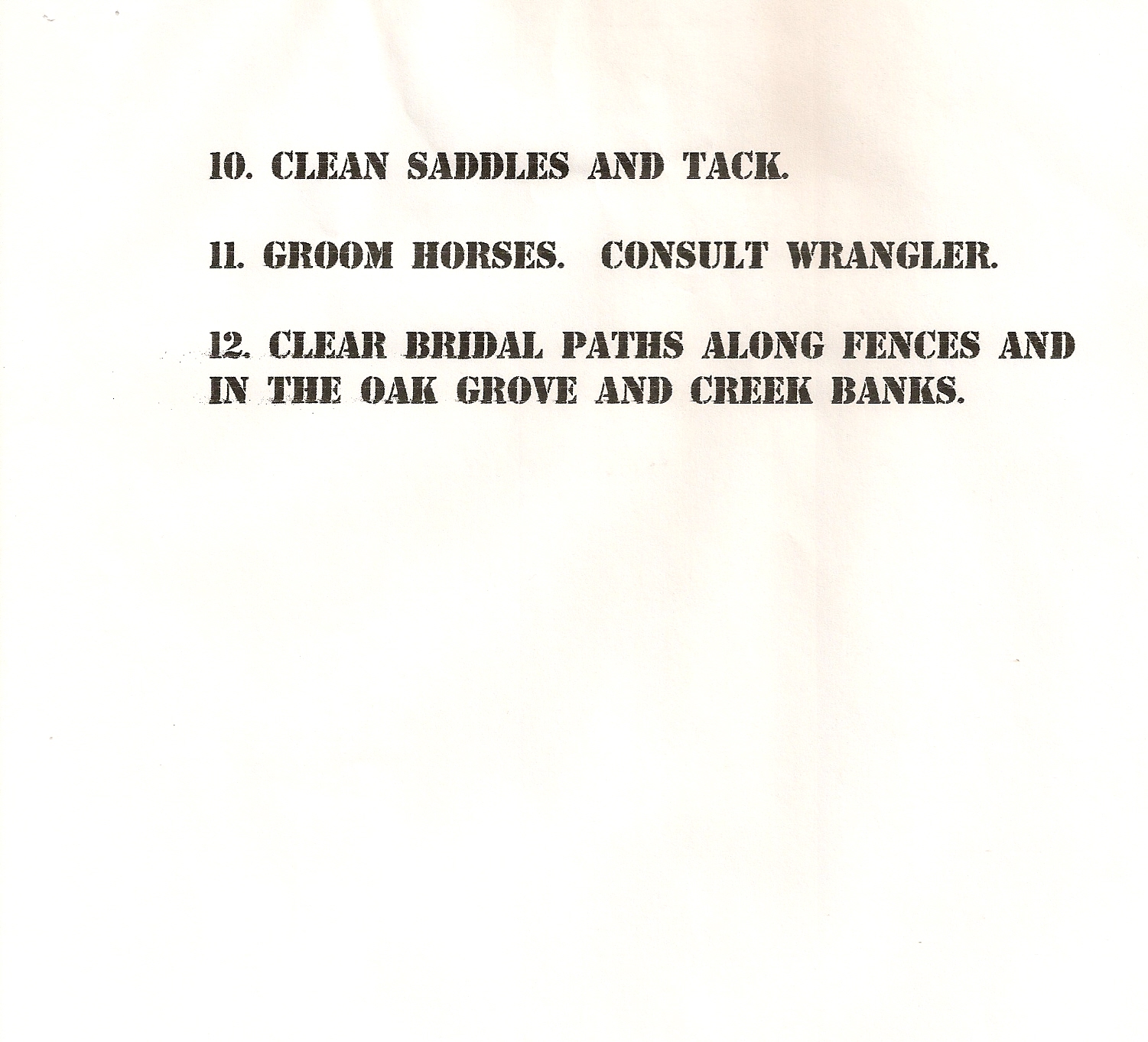
The following list consists of daily or regular general chores to keep the place in shape.   I apologize for the misspelling in Ranch Work Standing Order No. 12, although one could conceive of a wedding down in The Grove.  Rules and chores are printed on heavy-weight paper (25 percent cotton bond), left over from the old days when heavy paper was needed for manuscript submission, so I cannot go into the printing and correct the misspelling.  Folks, it’s an imperfect world.  (Click to enlarge.)

8 Comments

Filed under Flying Hat Ranch

The Horses of Flying Hat

I thought I would put in one post a photograph of each of the horses I work with on a daily basis here at our place, Flying Hat.  All of these photographs can be enlarged by clicking on the photograph. By enlarging the photograph, if you have a moment, will reveal a lot of detail, as these photographs are usually 2.0 plus in megabytes.  I like to take photographs using the most detailed mode (within reason, of course) I can.  You can always lessen the detail in a photograph, but never add detail to it.

Shiners Fannin Peppy

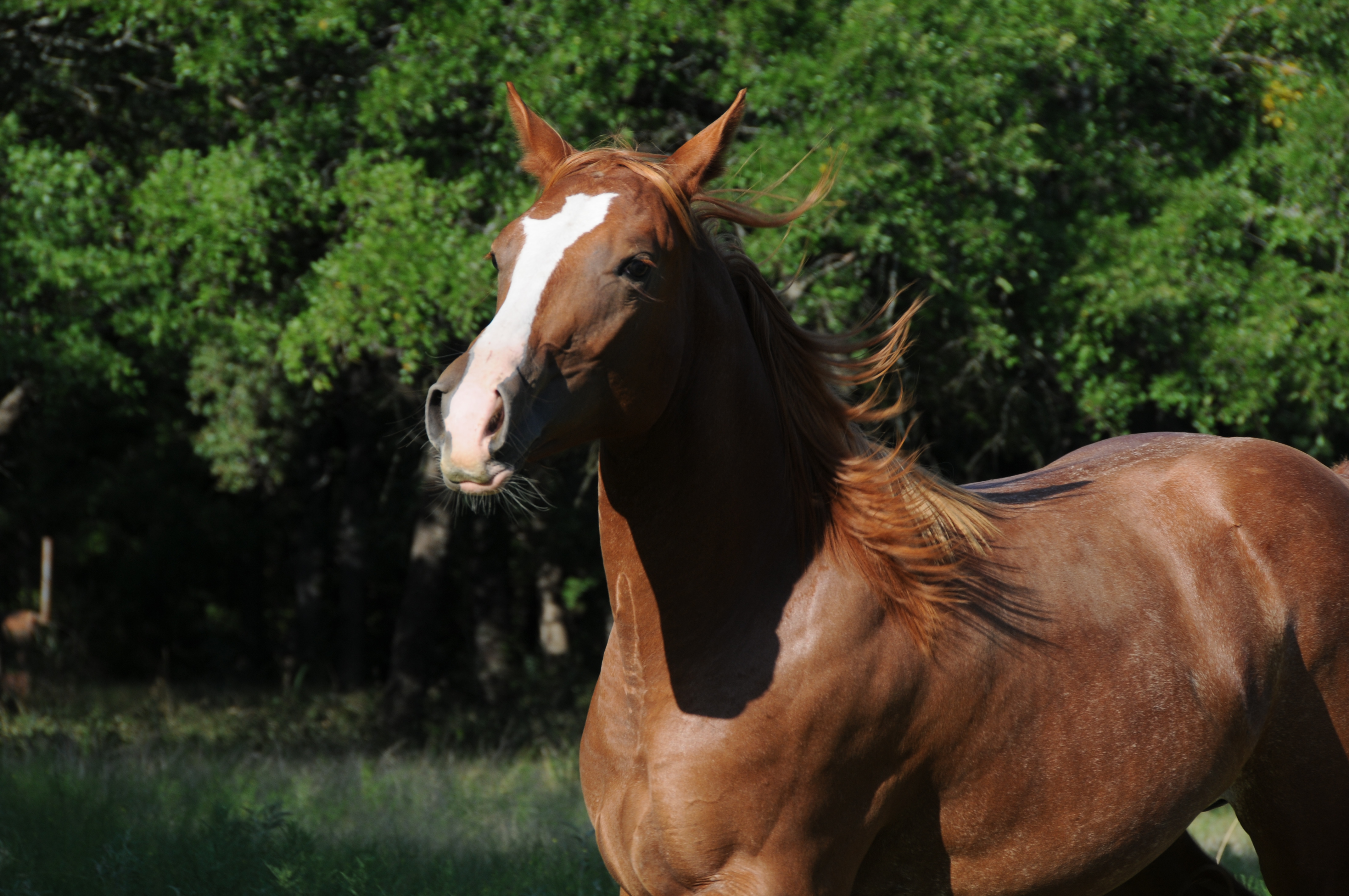
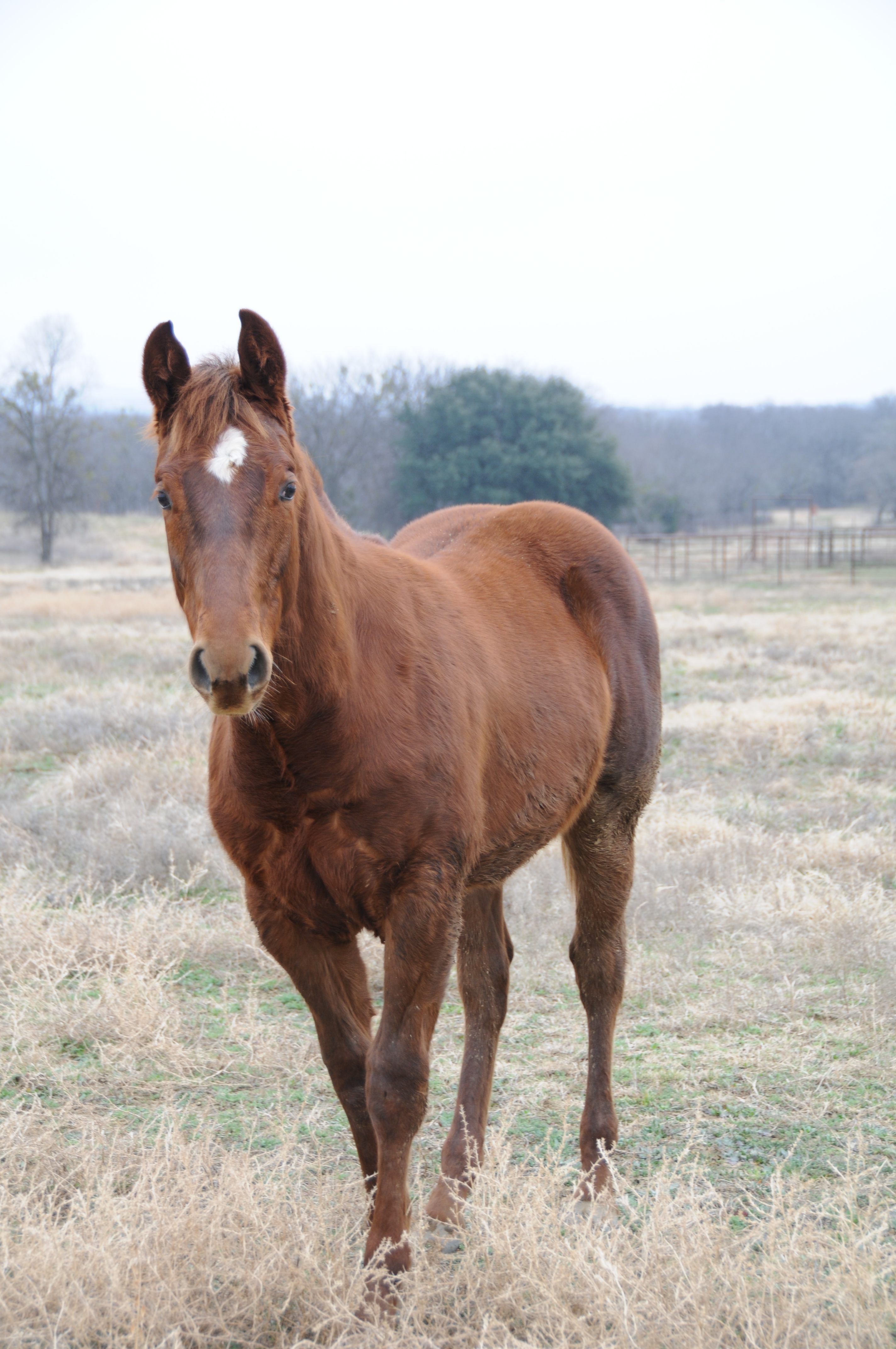
This is Shiners Fannin Peppy or “Fanny.”  Fanny has been in training — elementary school — for a hundred days with Duncan Steele-Park at the GCH Land & Cattle Company of Weatherford, Texas.  Fanny is a daughter of Sweet Hija below.  Fanny is quite vocal.  She will begin to nicker once she knows that I am going to feed.  It is a vocalization that is more of a chortle, kind of a gargle, deep-down in her throat.  Fanny will continue to nicker-chortle every fifteen seconds or so until I put feed in her bin.  Translation to English:  “Oh, boy, I can’t wait, can’t wait for my grain.  Oh, boy, oh boy.”

Sweet Hija

This is Sweet Hija or “Hija,” as we like to call her.  I purchased her in 2003, from King Ranch.  She starred in a King Ranch video for marketing before the auction at Kingsville.  She cut cattle with J. R. Ramirez, her trainer, in front of two-hundred prospective buyers.  I bought her at the King Ranch Legacy Auction in 2003, in front of  2,000 spectators — really stressful, but fun.  When I walked to the stables to view Hija after purchase, two stalls down from her was her grandfather, Peppy San Badger.  He was looking over the crowd and his granddaughter.  Peppy San Badger was nearing the end of his days, but he was still eager to see people and his progeny — be around the excitement.  I am sorry to say that I did not appreciate his background and heritage that day as I was just beginning to understand the quarter horse culture.  Peppy San Badger, Hija’s grandsire, was one of the greatest quarter horses ever to have lived: he rewrote performance records and records in the show pen.  He died in 2005, less than two years after he saw Hija load up into our horse trailer and come to Hannibal.  I have a photograph that shows Peppy in the background, Hija in the fore.  I’ll try and retrieve it for you some day.

When I saddle and ride Hija, I have to give her a run around the round pen before I mount (it’s been a while, however, since I’ve ridden) because she has that spirit of Peppy San Badger.  He would give a little buck when you first mounted him, but not a mean buck, just an energetic buck that he was happy to be alive — so also, his granddaughter.

Ima Lil Moore

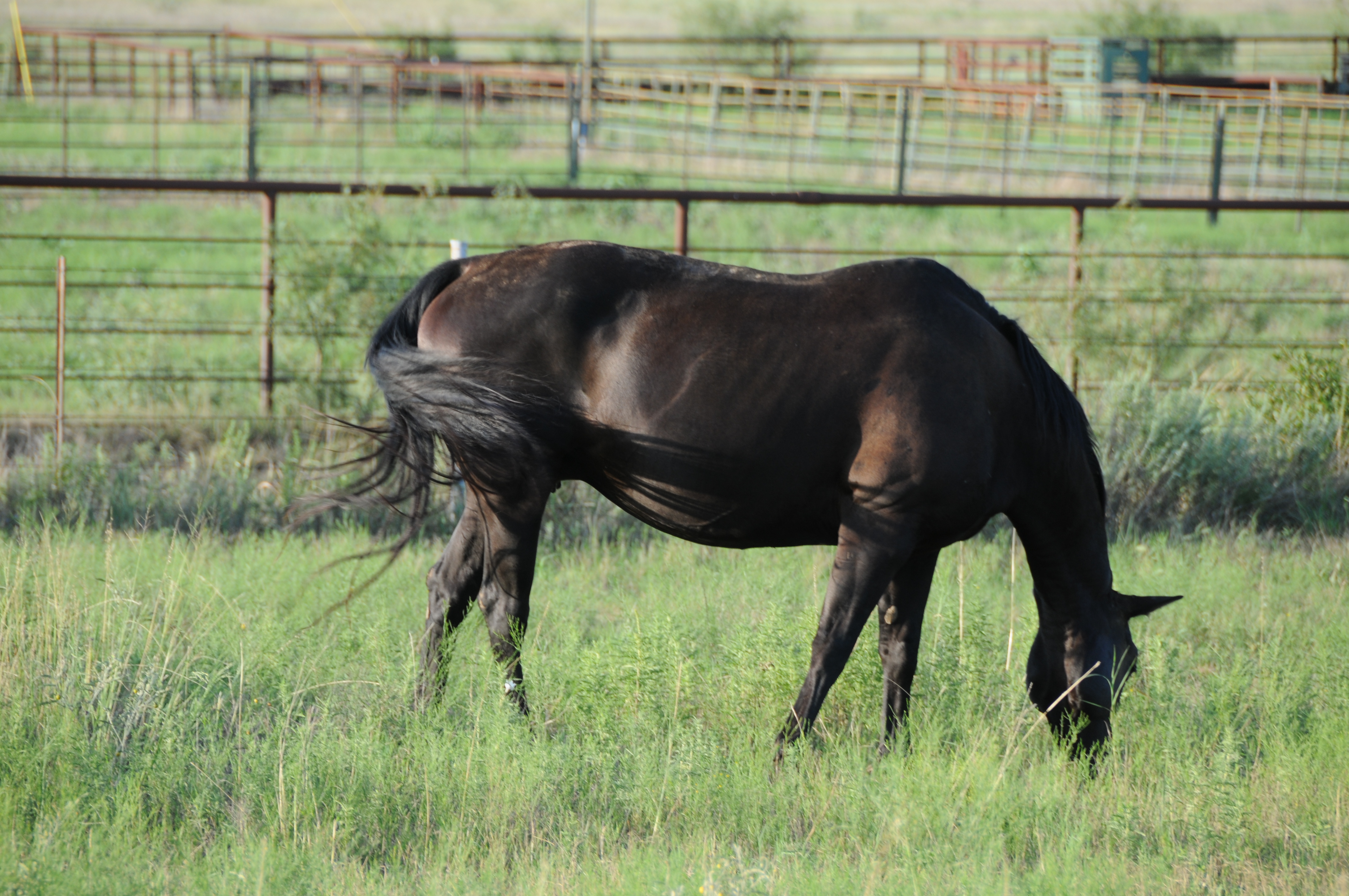
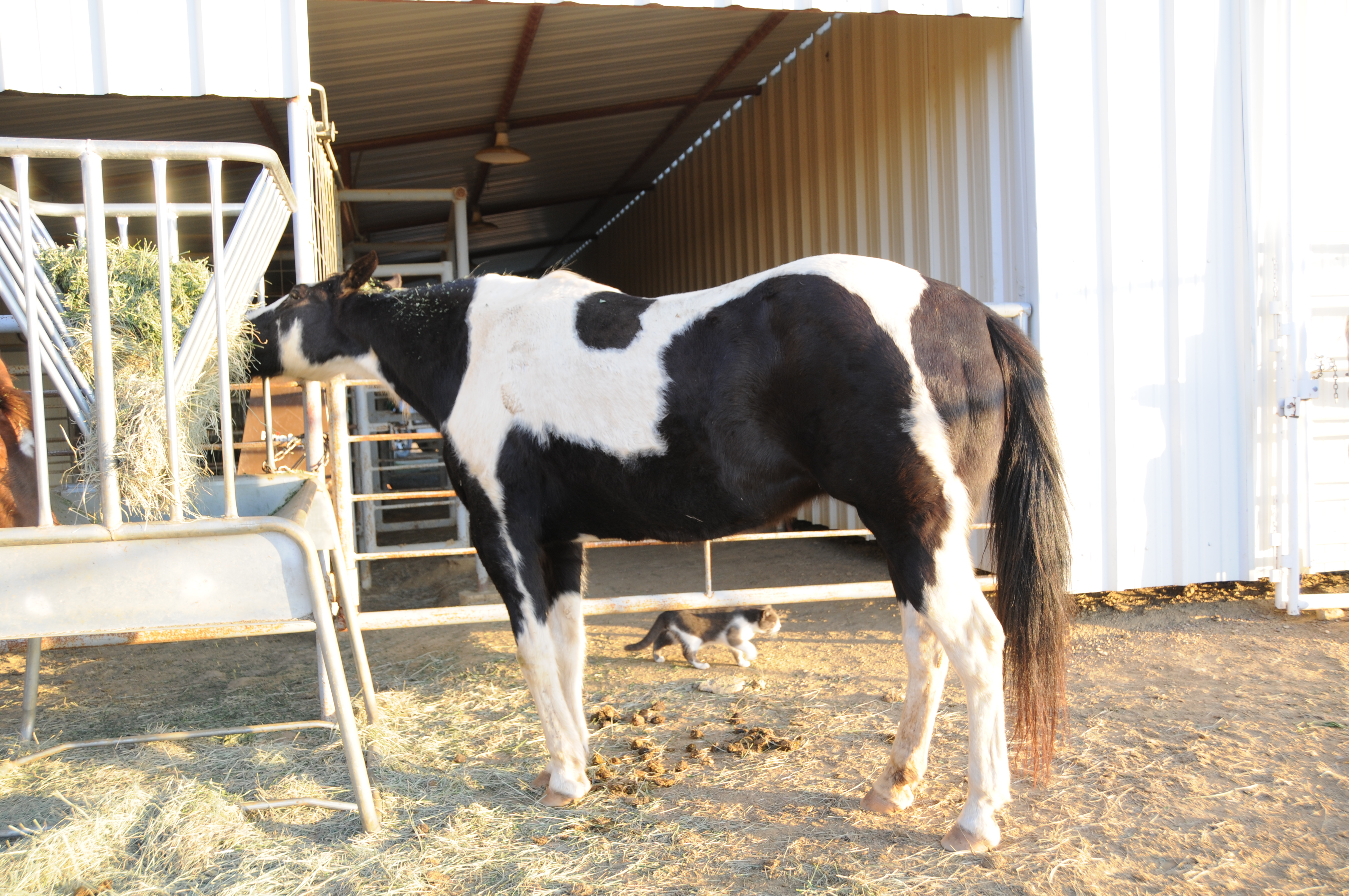
This is Lilly, the oldest mare in the remuda.  I inherited Lilly and her son, Star, upon the settlement of my parents’ estate in 2003.  Lilly is the alpha mare of the remuda.  She is challenged by Fanny for placement at the food trough.  Lilly likes to take her good time these days to come to the stall.  I favor her and let her use the alleyway to get into her stall (see the alleyway above) rather than have her walk a longer distance.  You can also see in the photograph above, the barn cat, Paint or Little Paint.  Odd, but he has the same markings of Lilly.

Shiners Fannin Pepto

Here is “Shiney.”  He is all-boy, a colt and a peppy one at that.  He is the son of Sweet Hija.  This is the guy I am having so much fun with these days.  He is an intact male and I have him for sale, but Brenda and I have talked about keeping him — me more than her — but it would require the construction of a stallion run.  Shiney is such a fine boy.  I really like working with him.

Stars Bars Moore

Star is a gelding and the baby-sitter for Shiney.  Star and Shiney inhabit the large outdoor arena and are given to playing many games of “Gotcha,” a variation of tag.  Star is a large horse.  I often refer to him with affection: The Beer Wagon Horse.  Star is the son of Lilly.  Star is known far and wide as the levitating horse of Flying Hat — check a previous post this winter on the blog.

A friend of mine at the college, Roland Stroebel, says to me almost daily, “I’m homesick, Jack.”  By that he means that he wants to go back to his farm south of Cisco, Texas, and work with the land and his cattle.  He misses his farm — homesick.  When Roland’s work is done at the college, he leaves and I can see him working with his fine Angus cattle into the evening darkness.

When I am away from all of the horses and land upon which they trod, I am homesick for their companionship, their warm breath and smell.  It is said:  “There is something about the outside of a horse that is good for the inside of a person.”  I believe that with all my heart.

19 Comments

Filed under Duncan Steele-Park, Flying Hat Ranch, Horses, Lilly, Shiners Fannin Peppy (Fanny), Shiney (Shiners Fannin Pepto), Star, Sweet Hija

Brush Fire High Salt Cove Creek

Two days ago, March 22, 2010, a brush fire raged out of control about four miles southwest of our place.  My estimation of the location from our place on Poprock Hill was near High Salt Cove Creek, 32.43 deg. N., 98.39 deg. W., Stephenville Quad map.

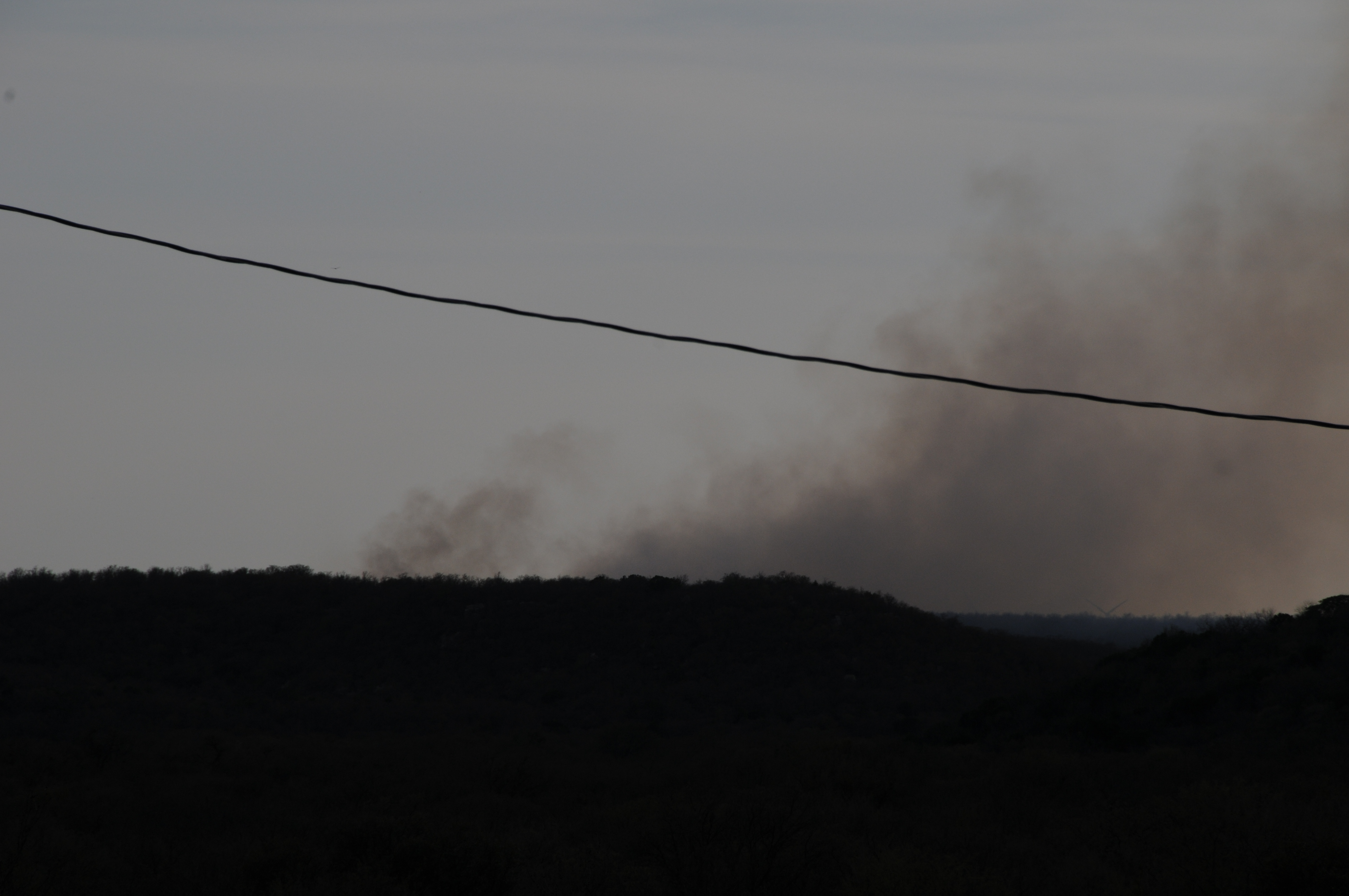
High Salt Cove Creek Fire, March 22, 2010 (click to enlarge)

Volunteer fire departments from Huckabay, Gordon and other small communities converged on the fire and extinguished the blaze late yesterday evening.  Despite recent snow and rain, last spring and summer’s growth of grass was dead and ignited.

The smoke colored the air a kind of amber about our home — not at all pleasant.

Cross Plains, Texas, Fire ca. 2007

Several years ago a huge fire broke out near Cross Plains, Texas, approximately seventy (70) miles southwest of Flying Hat.  Brenda and I were attending a funeral near Cisco, Texas, and the wind and smoke completely covered the western sky.  Several people were killed and the destruction obliterated sections of the community.  A firefighter at Cross Plains reported that the wind changed directions while the town burned and swept into neighborhoods that had been bypassed with the first sweep of fire.

It was also the same year that the huge prairie fire in the Texas Panhandle destroyed livestock and several hundred square miles of grassland.  Therefore, like any other community in the country, we are quite conscious of fire safety.

There are some good tips for making your country surroundings safe from the Texas Forest Service website below.

Texas Forest Service.

6 Comments

Filed under Flying Hat Ranch

Poprock Hill Pond Mist

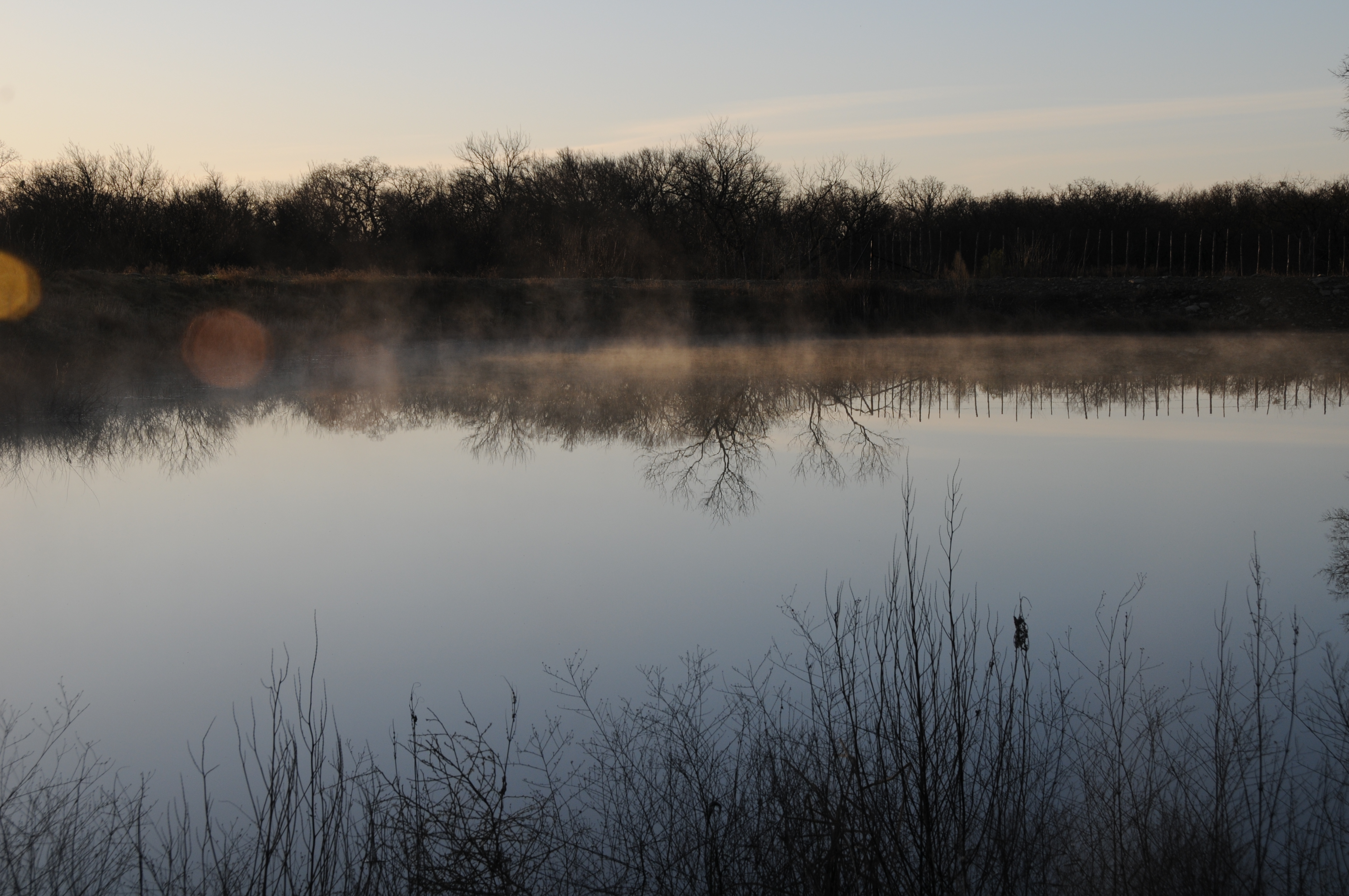
Poprock Hill Pond Mist, March 14, 2010 (click to enlarge)

This is Poprock Hill Pond, also known as a stock pond, stock tank, cow tank, watering hole, runoff reservoir or catch pond.  In this region of Texas — central, west — they are called, cow tanks or stock tanks.  “Cow tank,” of course, has familial, idiosyncratic, usage:  Uncle Floyd’s ranch, Tom Parks place and many others.  Cow or stock tank does not have the Walden cachet that reflexively appeals to non-Westerners, non-Texans.  To many of us, however, the cow tank was the first place where we learned to swim, fish and observe water in a region of semi-arid climate.  It was a separate, exciting area, cupped in the earth.

The rivers of Texas, such as Brazos, Colorado, Llano, Pecan Bayou (yes, a river), San Saba, Concho, Pecos and Rio Grande (always drop the word, “river,” before you say or write Rio Grande) may be public in water rights, but only a few families own the land around the river banks.  The Walton family of Walmart has a large ranch along the Brazos River near Millsap, Texas.  The few families that control river banks have no duty to the public to give them access.  To canoe or float down these rivers in Texas, you enter the river at a public road crossing, such as Interstate 20.

For most of us owning land in Texas, our first exposure to large bodies of water — other than bathtubs — were cow tanks, such as Poprock Hill Pond or stock tank, photographed above.  Swimming in cow tanks with cousins was often the first time people saw another body without clothes or scant apparel.  Perch and bass fish were stocked in the tanks and in the winter, ducks arrived to feed, carouse.  The cow tank was a retreat from family conflict, a quiet place to throw stones in the water and watch the ripples circle out to the edges.  It was another visual reference for for drought or abundance:  cow tank down, way down, dry.  Or, the other way:  stock tank up, way up, overflowing.   During the summer, we camped on the northern side of the stock tank, so as to catch the water evaporation from the southwest wind at night as we would sleep in a tent or on cots beneath live oaks, pecan trees.  By the morning, we wrapped ourselves in old quilts or sleeping bags to ward off  the cold breeze from the tank.

Stock tanks, however, are primarily for livestock.  Angus cattle walk the dam and water daily.  Our horses, Star, Lilly, Hija, Fanny and Shiney, wallow in the shallows to the right in the above photograph, bathing and cooling themselves in hot weather.  Hija is a water nymph.  She wallows more than others, she plays in it:  nuzzling the surface, plunging her head down into the water almost up to her eyes, stomping the edge of the bank to splash water on herself.  She’s a fine horse, she is.  If she could, she would bring her stallion to the water’s edge.

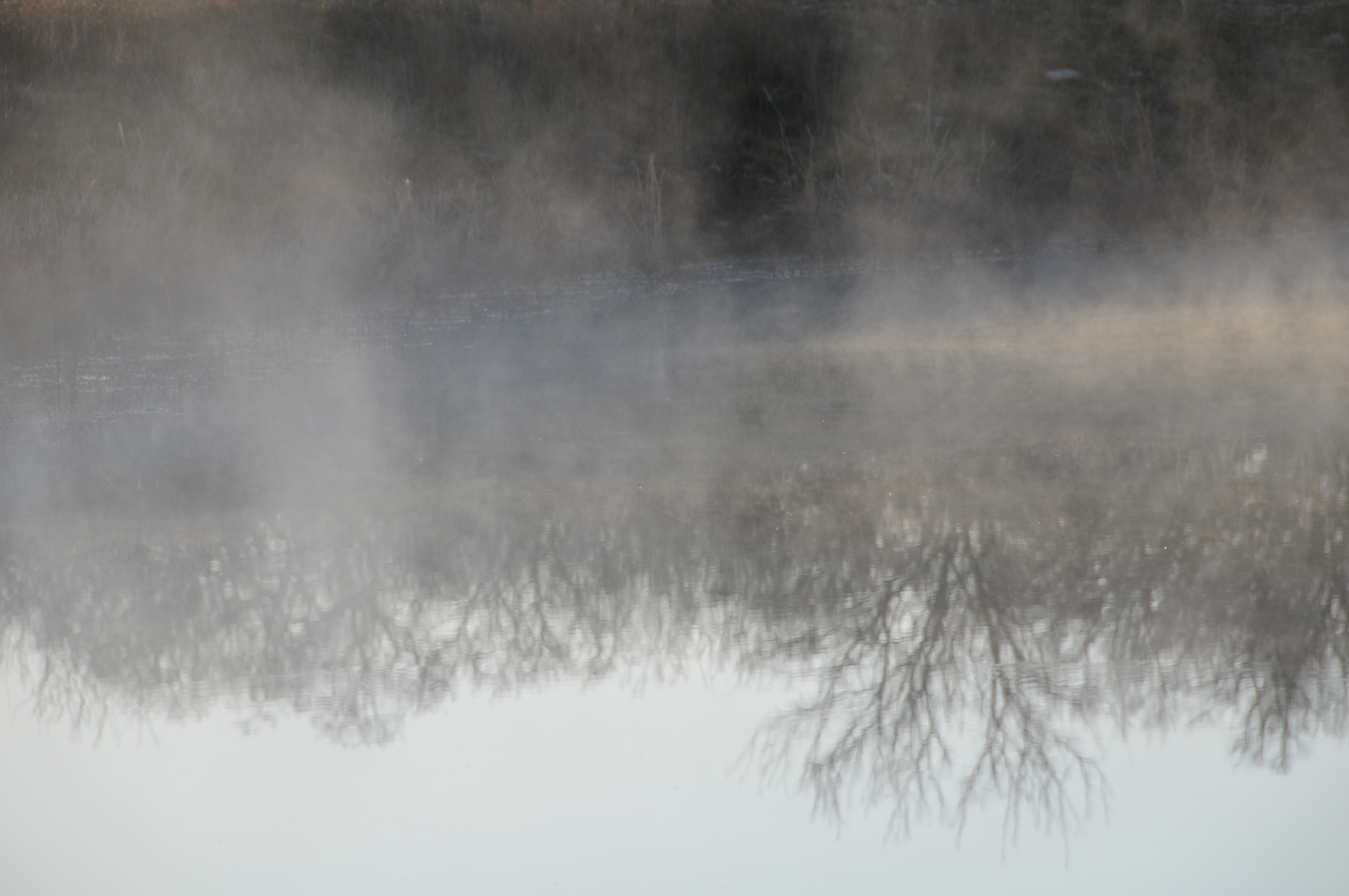
This morning, the temperature was 41 deg. F. and I saw the mist arise from Poprock Hill Pond.  Before I threw hay to Hija — she’s a fine horse, she is — I went down to the pond and took the photograph.  I don’t know the temperature of the water, but I’ll get a thermometer one of these days and plunge it into the pond water, if it is pertinent to my tasks that day.  Then, again, I may not.  I may stand on the edge of the cow tank and think of my cousins and Sweet Hija, bucolically at play and passing time.  The registering of the surface temperature may have to wait as I look at the wind moving the surface of the water, the light film of natural oils, the young willows emerging along the banks and the sunlight reflecting.  And, soon — it always happens — I’ll forget myself, looking at a misty cow tank in Texas.

Closeup Mist on Poprock Hill Pond, March 14, 2010 (click to enlarge)

8 Comments

Filed under Flying Hat Ranch, Recollections 1990-