Category Archives: Birds

Field Log 9/21/2010 (Quail)

North Erath County, Texas, Lat 32.43 N, Long -98.36 W, elev. 1,086 ft. Turkey Creek Quad.

One week ago, 9:00 a.m., I flushed a large covey of quail to the west of the ranch house.  They were feeding under the live oak tree.  A single quail sighted a week before the flushed covey.  Relinquishing pastures to native grass may have induced quail browsing.

Two mornings ago at 5:00 a.m. while walking the Yeller and Lottie, I heard a deer snort over the fence on the Dooley place.

Solitary white cow bird sighted two days ago.  Cow birds feed with horses in early spring.

The four inches of rain two weeks ago has caused greening of all pastures.  Pasture grasses, especially buffalo grass, are re-erupting.

Yesterday morning at 5:00 a.m., some type of birds quietly chattering in mesquite trees.  Quiet chatter.  Never heard such a thing before.

Harris hawks continue to prey in the pastures.  Their flight patterns are low to the ground.

Some slight turning of tree leaves in grove to yellow and brown.

Overturned soil in arena to soften ground for Lilly and Star.

Dove hunters are not so plentiful this year about the county.  Few shots heard.

Bull nettle growth about stock tank needs cutting.

Photograph featured is a cottonwood tree above Casa Sena in Santa Fe.

4 Comments

Filed under Birds, Deer, Dogs, Field Log

Soaring Heart

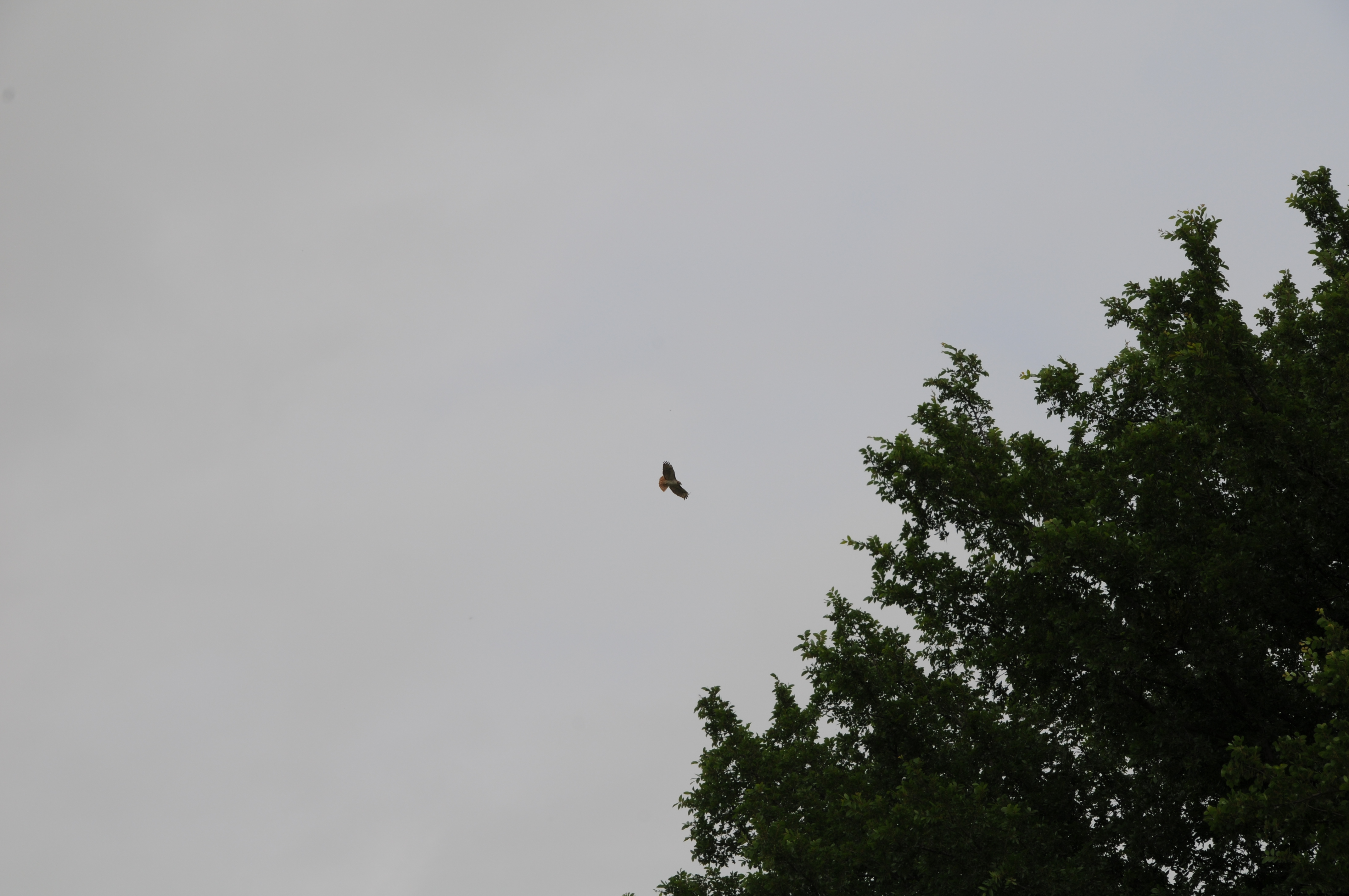
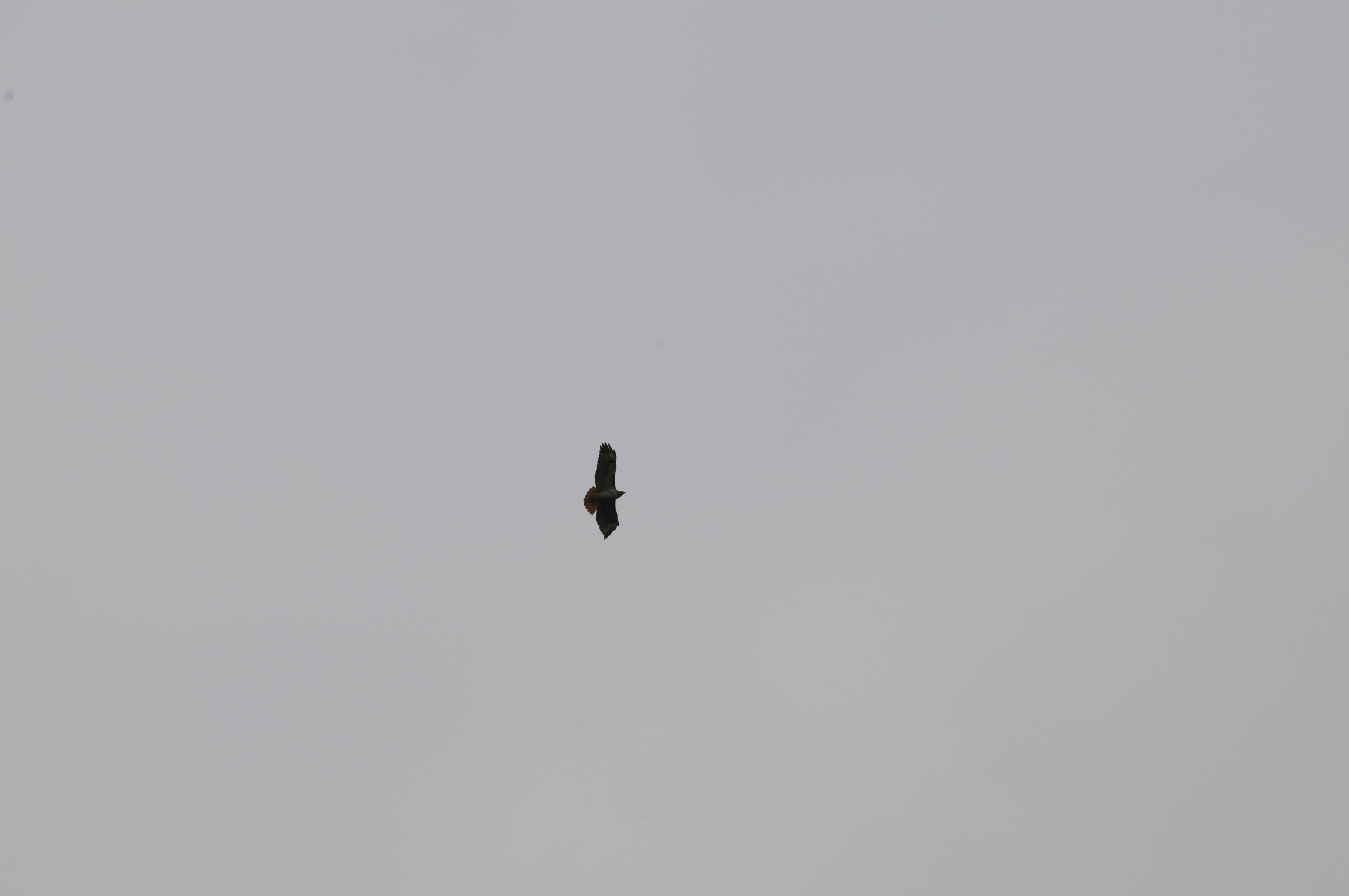
I suppose one of the great observations I make from day to day is the soaring hawk, a Red-tailed (Buteo jamaicensis).

The hawk is above the debris, the remains of daily chores.  Yes, I know that he or she must come down to earth, but as I watch the hawk, I think it plays and flies for the sheer fun of it, the pleasure of flight.  Who can say?  I personify the hawk more than I should, yet, it gives me pleasure to reach out and extrapolate the behavior in familiar terms, a kinship formed.

Two Red-tails inhabit the grove on our place, a riparian swatch that I am keen on developing.  Harris’ hawks also migrate through this area, soaring closer to the ground and smaller in physique.  I hear their voices: karr from the Harris and keeer-r-r from Red-tail.  Cris-crossing, floating, the swiftness with which they predate holds my attention.  It is said that the hawk will dance on its kill.  I have not seen that and do not look for that vintage behavior, but rather I am open to what the hawk displays.  And, in the fields and grove, soaring becomes the rule for display.

To the field we should go daily.  To the field and look and listen, especially to the sky when Red-tails fly.

It is no wonder that Lame Deer, the seeker of visions, would say, when happy: My heart soars like a hawk.

Thou art that: the hawk, the soaring heart.

______________________________

Notes:

For voice and bird identification, Roger Tory Peterson, A Field Guide to Western Birds, 2nd ed., Boston: Houghton Mifflin, 1969.  I have kept a life list of birds I have seen.  I’ve become interested lately in the voices and calls of birds.  The voice translation of the hawks come from Peterson.

One of the excellent sources of Native American life and biography is John (Fire) Lame Deer, Lame Deer Seeker of Visions: The Life of a Sioux Medicine Man, with Richard Erdoes, New York: Simon and Schuster, 1972.  My paperback copy of Lame Deer is old and full of markings.

“Thou art that,” is an ancient Asiatic perceptual insight in meditation.  What you see (and other senses), you are.  Basically, it is an insight that breaks down boundaries among objects and creates a unity.  It is a Vedic formula for enlightenment.  One source is the Chandogya Upanishad.  I teach world civilization and some of the most interesting classes among undergraduates is trying to understand the Orient.

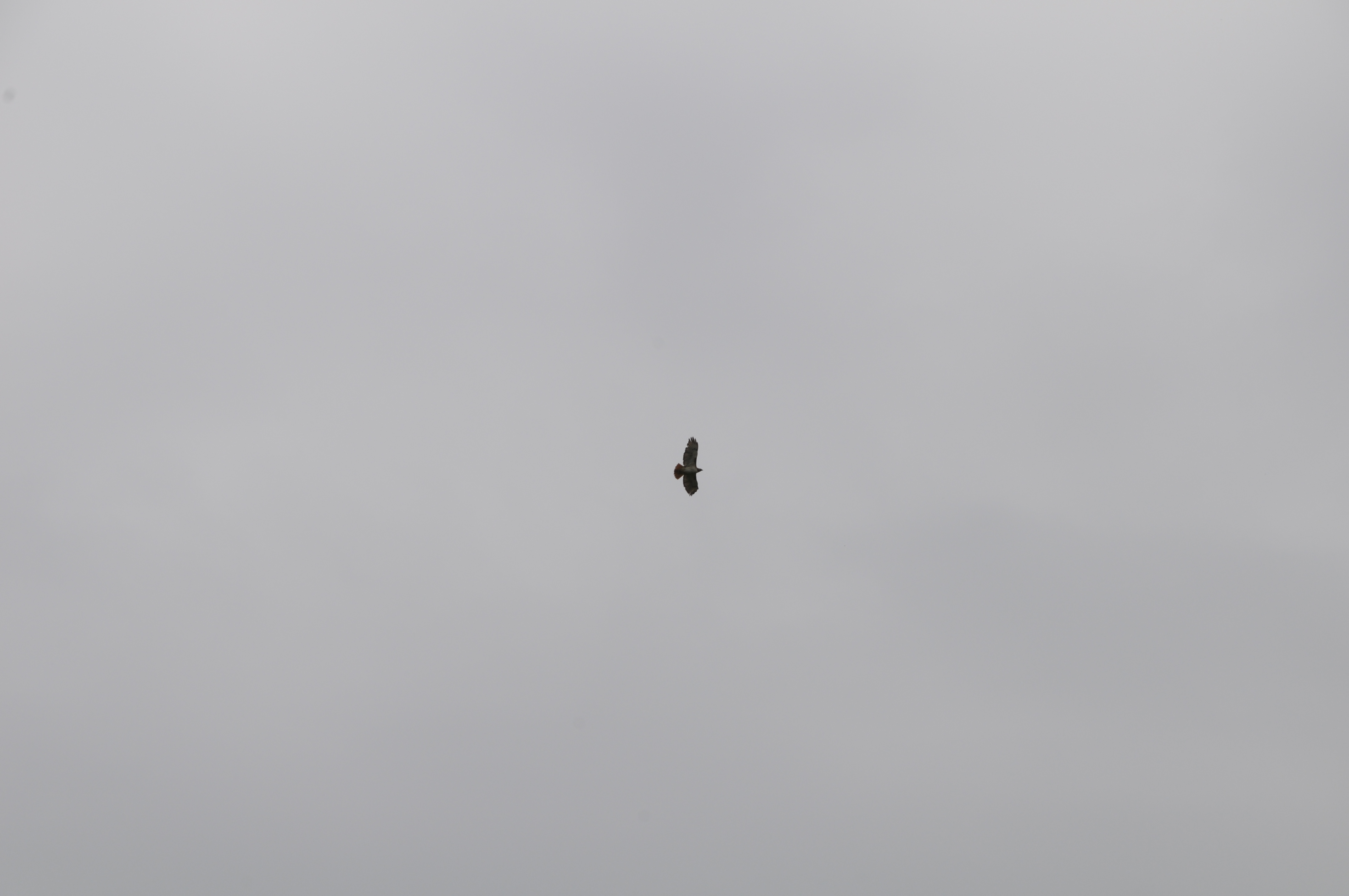
Banner photograph taken by J. Matthews.  It is an enlargement of the Red-tail hawk in the first thumbnail.  Nikon D300 with telescopic lens is the camera.

9 Comments

Filed under Birds, Life in Balance

Field Log 4/21/2010 (Scissor-Tails, Gyp Indian Blanket)

North Erath County, Texas, 32.43 lat., -98.36 long. Elev. 1,086 ft.  Turkey Creek Quad.

Sweet Hija has been inseminated at Equine Sports Medicine and Surgery (ESMS) on the Brazos.  She’ll be held for a couple of days, says Dr. Semira Mancill, to check on an edema problem.  Then Sweet Hija can be released to come back for two weeks before her next checkup.  Hija has a paddock and is comfortable at ESMS.  But, she prefers to be back here to gallop full-speed from one end of the pasture to the other.  Last year, I was at the east gate in the pasture and for no apparent reason, she reared up and stood for six seconds on her hind legs, cocked her eye towards me–I was about five feet away–and held my gaze.  Powerful girl!  Then, abruptly, with a snort and a turn, galloped to the other end of the pasture, a quarter-mile away.  Did not slow down until she reached the end of the lane.  Gasp.

Shiney (Shiners Fannin Pepto) is doing well at Jimmie Hardin’s in Aubrey.  He’s slightly off his feed.  The farrier came to trim him yesterday.  Jimmie said that they had worked him out, groomed him and tied him for training purposes and he did just fine.  I worry about the little guy since he is so exuberant and eager to please, it seems.  Am still undecided about whether I will lead him at the sales ring in Shawnee or have someone else lead him.

I put out more corn today near the deer salt lick.  I saw hoof prints of at least one deer.  Track put down after the last rain of 2.0 inches.  I’ve still not sighted deer.

I’ve seen hummingbirds.  (Taosmesa tweets that she has “heard” hummingbirds at her home, but not seen any.)  Scissor-Tailed Flycatchers  (Muscivora forficata) abound about the fields.  From Peterson, they breed here in w. and s. Texas, e. New Mexico, se. Colorado and s. Nebraska.  He writes that their call is a repeated ka-leep with some stuttering.  I concur (course, who be me?) with the ka-leep, although I might add that the refrain-call is like this: keck, keck, …ka-leep. (Peterson mentions the keck.)  I have a rich and full life, and trying to replicate bird calls is good for me.

When I grew up in Brownwood, Texas, in the 1940s and 1950s, I remember the Scissor-Tailed Flycatchers sitting on power lines in front of our home, down towards Fourth Street and Brady Avenue.  The Scissor-Tails had the same refrain-call back then as they do now.  They would fly upwards in an arc when they called and then settle back down on the power line: keck, keck, …ka-leep, arcing, settling.  I can see it now in my mind and hear it, too.

Here on Flying Hat, over in the Pecan Tree Pasture, several Red-Winged Blackbirds (Agelaius phoeniceus) will take up temporary residence sometime in the spring and summer.  I do not shred the tall Johnson grass so that they can perch on the high stems and be spring-tossed by the wind.  That touch of red on their wings is so bright, so colorful.  I’ve not seen them yet, but I will, I know.
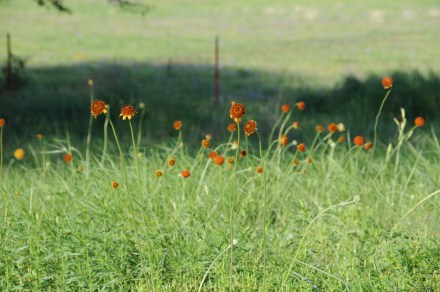
Dense Stand of Gyp Indian Blanket, April 21, 2010

There are several stands of this plant, Gyp Indian Blanket (Gaillardia multiceps).  It may also be (I am unsure) a Pincushion Daisy (Gaillardia suavis).  It loses its petals quickly, but the brownish-red center remains.  The bare flower stems stand 18 inches taller or more.  Looks like those science fiction movies with the scout coming into the basement where Grade B movie actors are hiding.

Gyp Indian Blanket Flower Bases, April 21, 2010

This spring I’ve seen more variety of wild flowers than any spring since we moved here in 2003.  A variety of primrose has emerged today down by the barn.

*   *   *
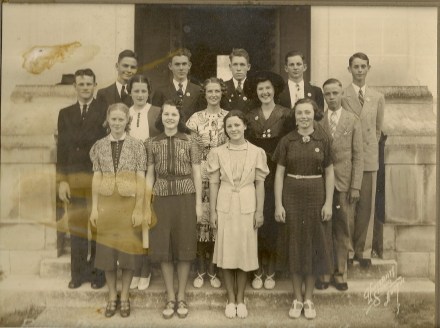
Rural Declamation Interscholastic League State Meet 1938, Gywn Parks, Front Row, First Person, Left to Right

My mother, Gywn, always had plants and birds.  Her backyard looked like a wonderland in the summer and her bird room held finches she had purchased as far away as Australia as well as canaries and types I can’t remember.  She even had a red hen that scratched through the debris on the floor.

In the photograph to the left, she is the first woman on the first row, left to right.  She was representing Bend, Texas, in the state Declamation contest in 1938.  She placed first and received The University Interscholastic League Award.  Gywn wrote letters and sent cards to her friends as a habit pattern throughout her years (1920-2003).  I have many of the letters from her friends.  Careful in her speech and prose, she was my first teacher at home.  She was small, but she was fierce, I have said about her.  The Irish in her would bring her to a quickening: I’ll get me a shallelagh if you don’t settle down, Jackson!

She died seven-years-ago today, April 21, 2003.  Her last words of advice were for me to have good friends and talk to them everyday.  R.I.P., Mom.  I’m taking good care of the land and plants and birds and wildlife:  a steward, like you taught me.  And, I have friends.

6 Comments

Filed under Bend Texas, Birds, Field Log, Horses, Plants and Shrubs

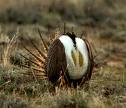
Gunnison Sage-grouse: Newly Designated Species

Gunnison Sage-grouse (Centrocercus minimus), Western State College of Colorado Website

Click on the link below for breed characteristics, description of habitat and directions to the Waunita Lek Watchable Wildlife Site near Gunnison, Colorado.  The viewing is only April 2-May 10.

Gunnison Sage-grouse — Western State College of Colorado — for breed characteristics and habitat.

Waunita Lek Viewing site for Gunnison Sage-grouse courting rituals — you must arrive before sundown and have a Colorado Wildlife Habitat Stamp.

I never knew what a lek was until I read up on the grouse.  A lek is a breeding area, a place that males display their feathers, wing beats and air sac thumping — quite similar to teenage rituals at a high school dance.

5 Comments

Filed under Birds

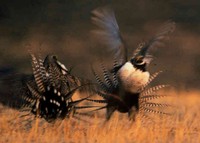
Mono Basin area greater sage grouse

Greater Sage Grouse

The Mono Basin area greater sage grouse is an endangered species that has not been added to the protected list because of a lack of funding resources.  Surely, funds can be appropriated for protecting a beautiful bird such as this in eastern California and western Nevada.

Mono Basin area greater sage grouse.

Leave a comment

Filed under Birds

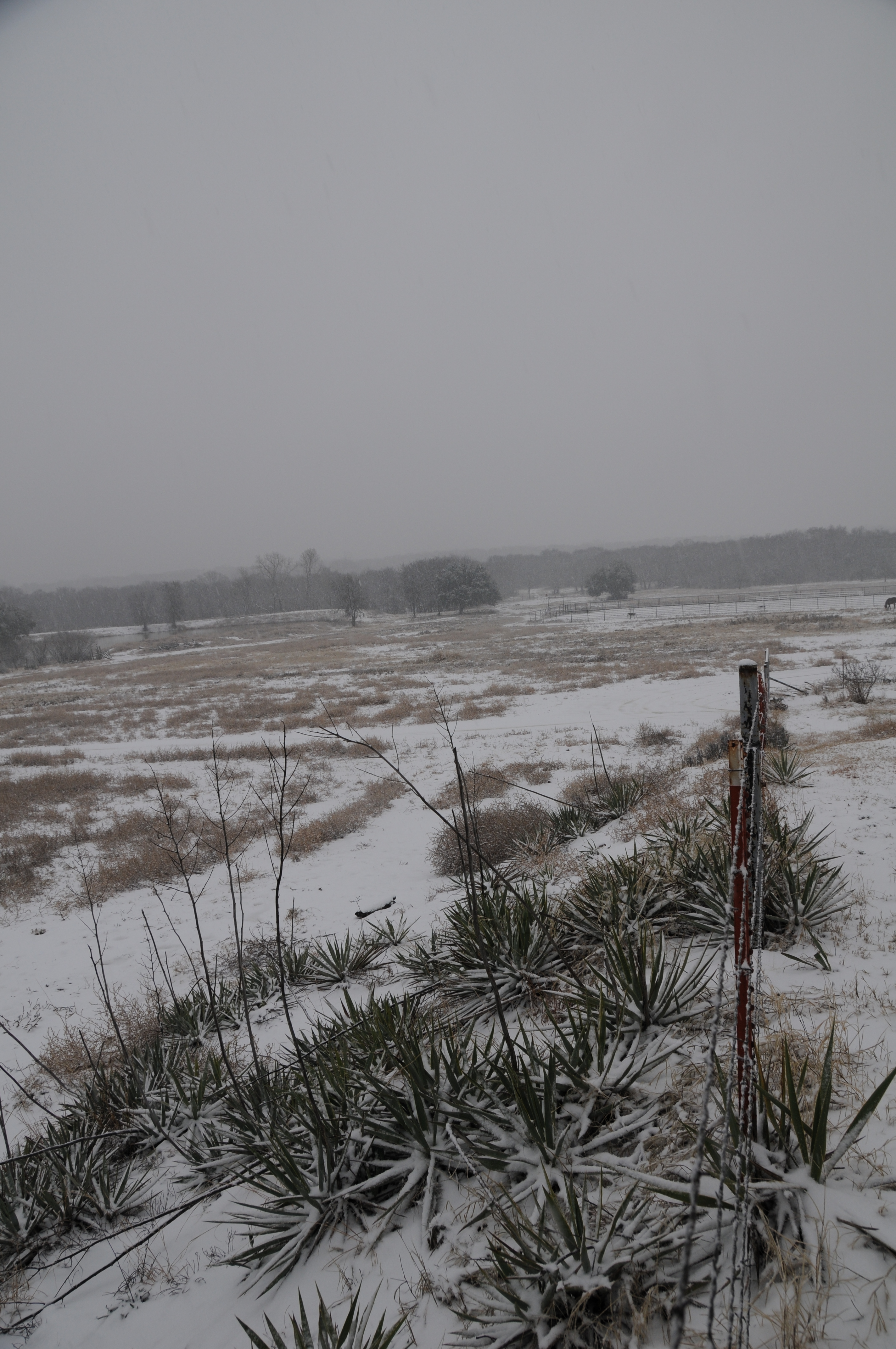
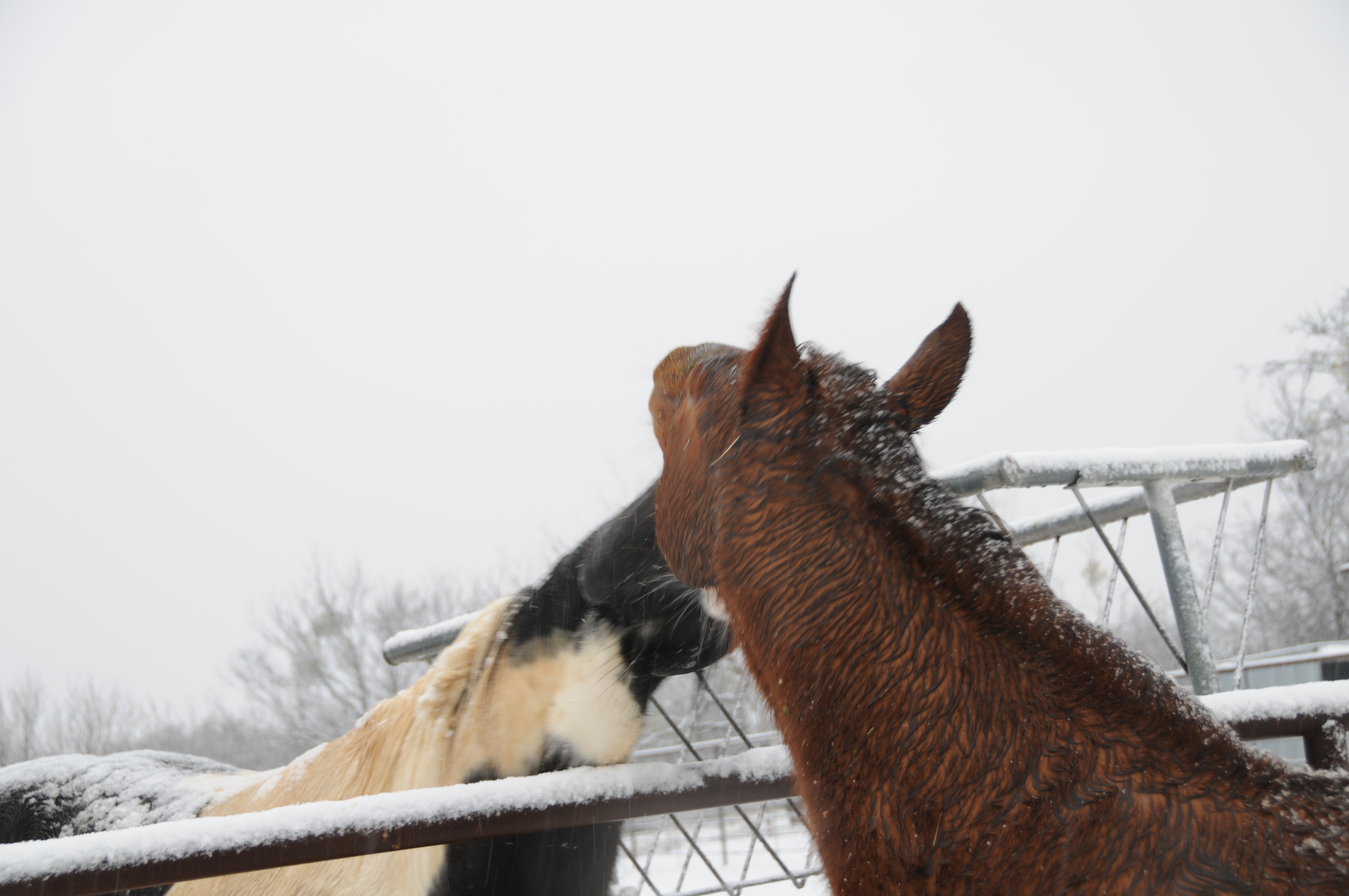
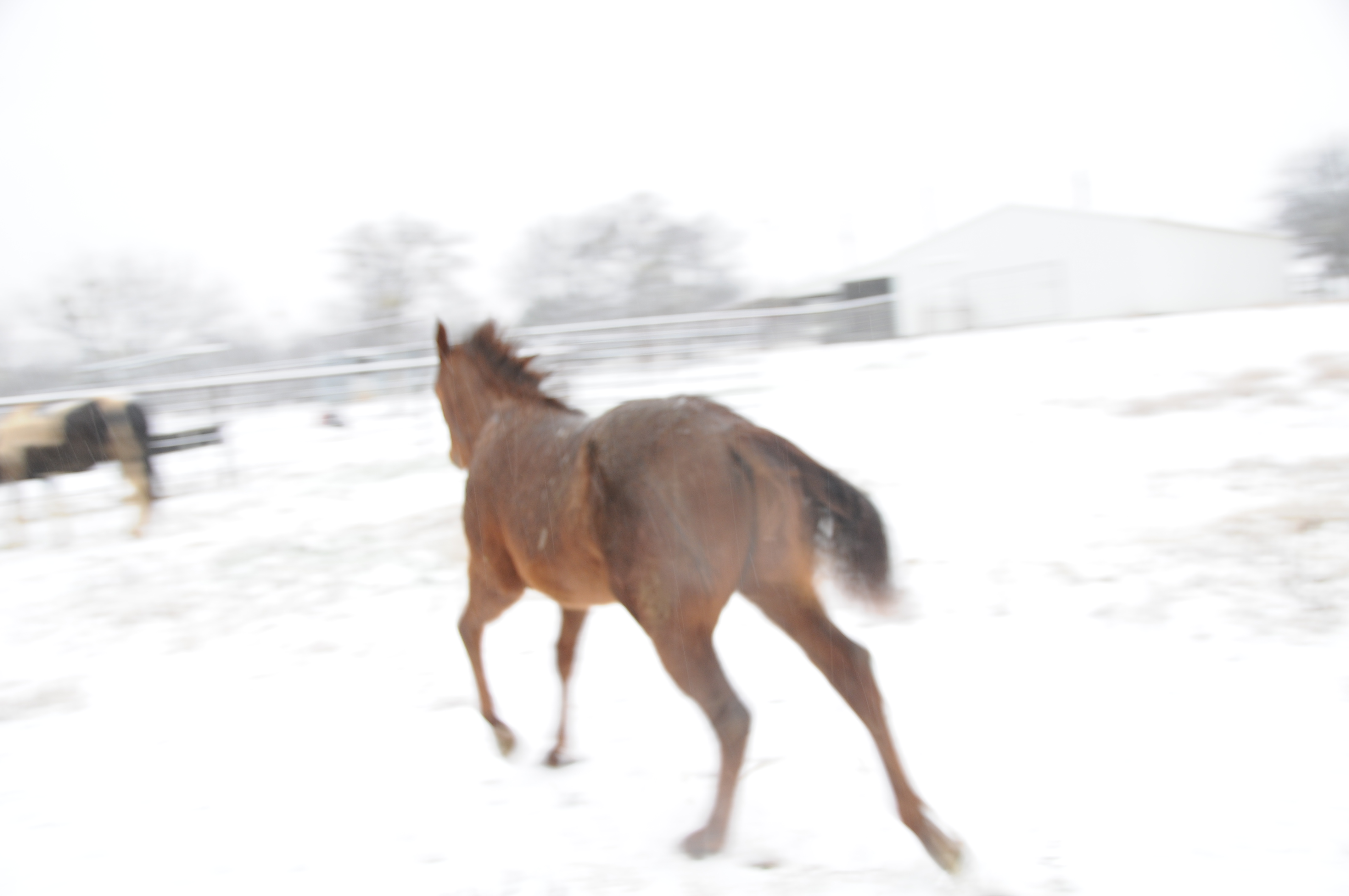
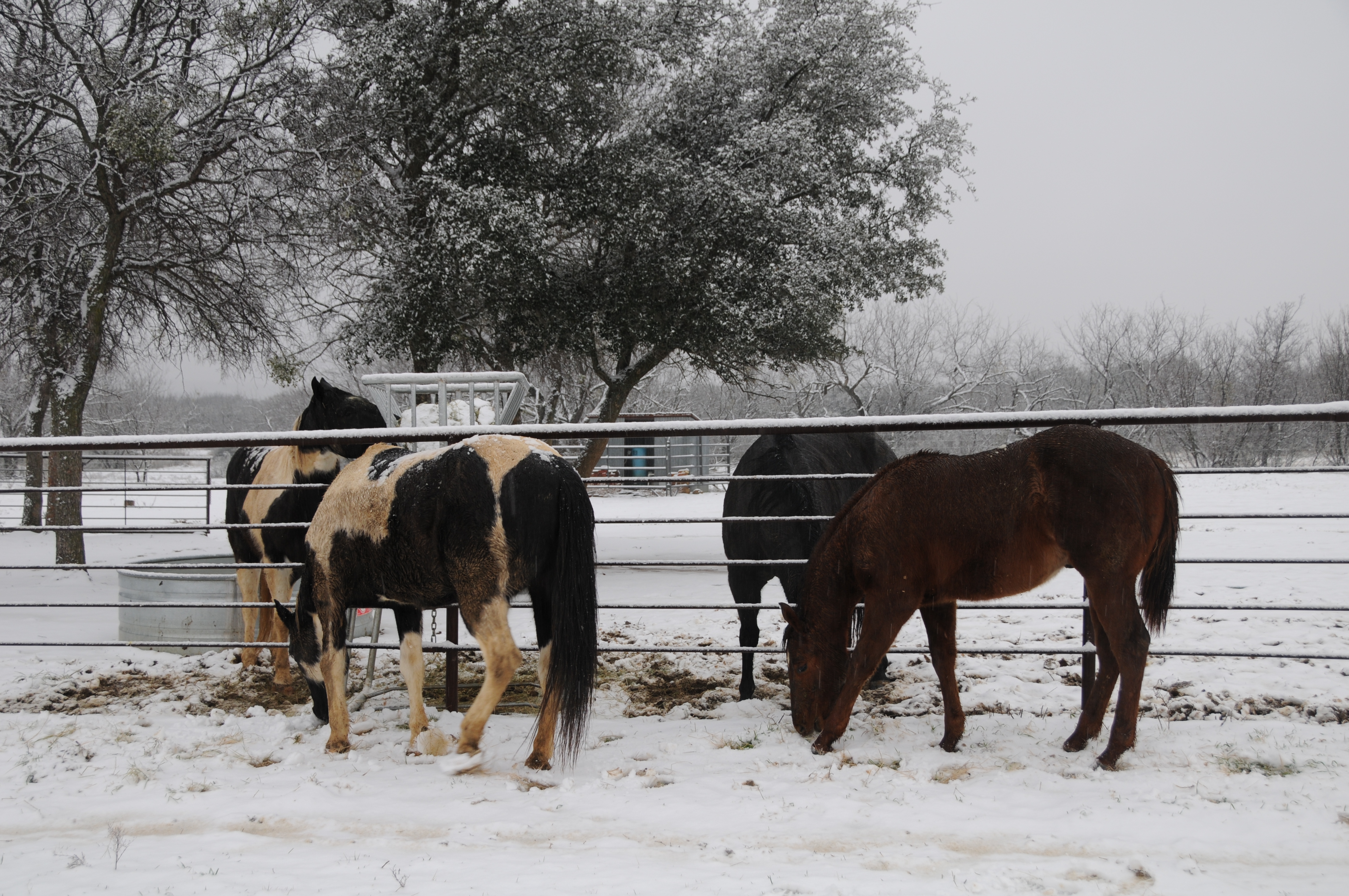
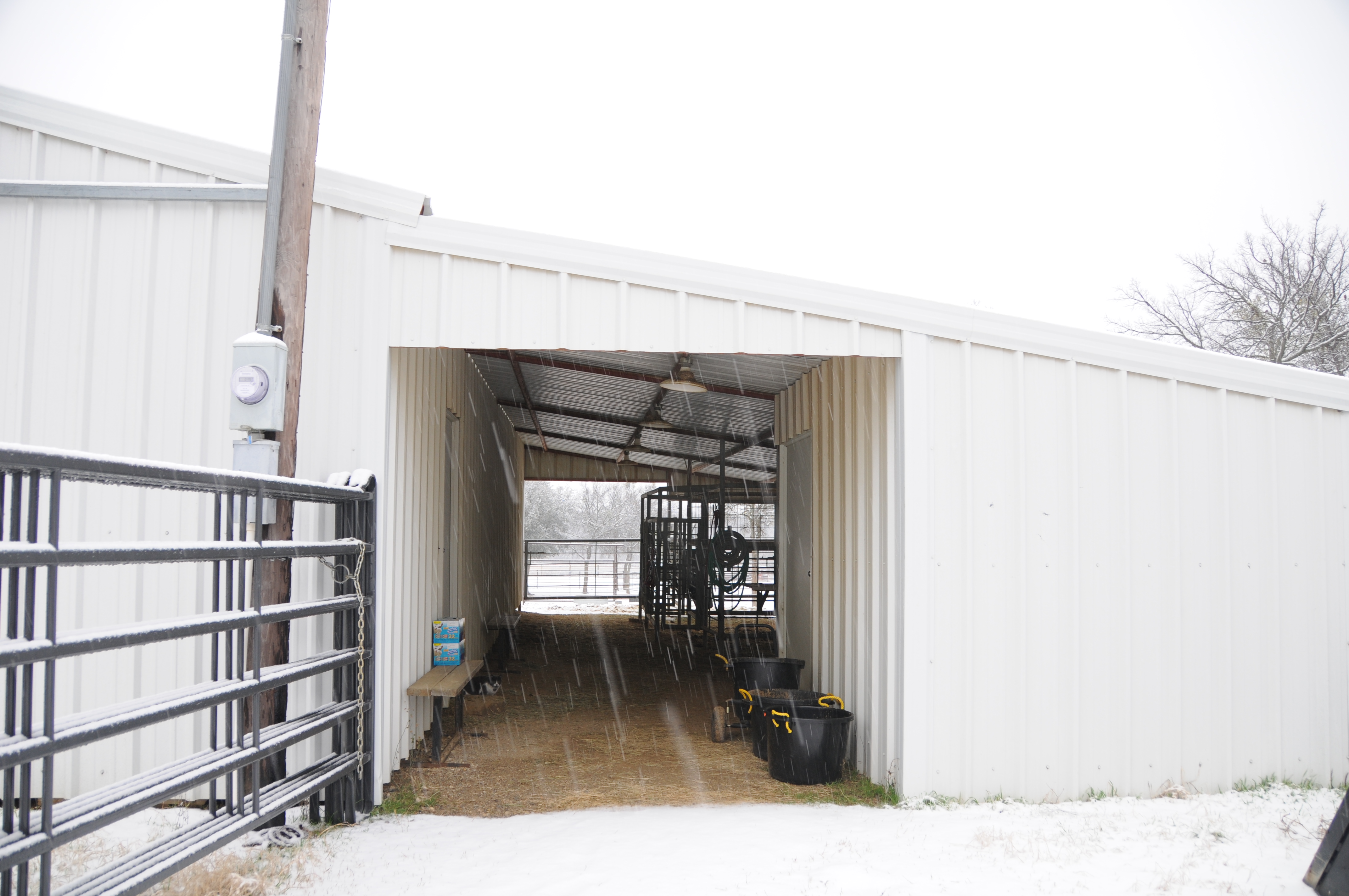
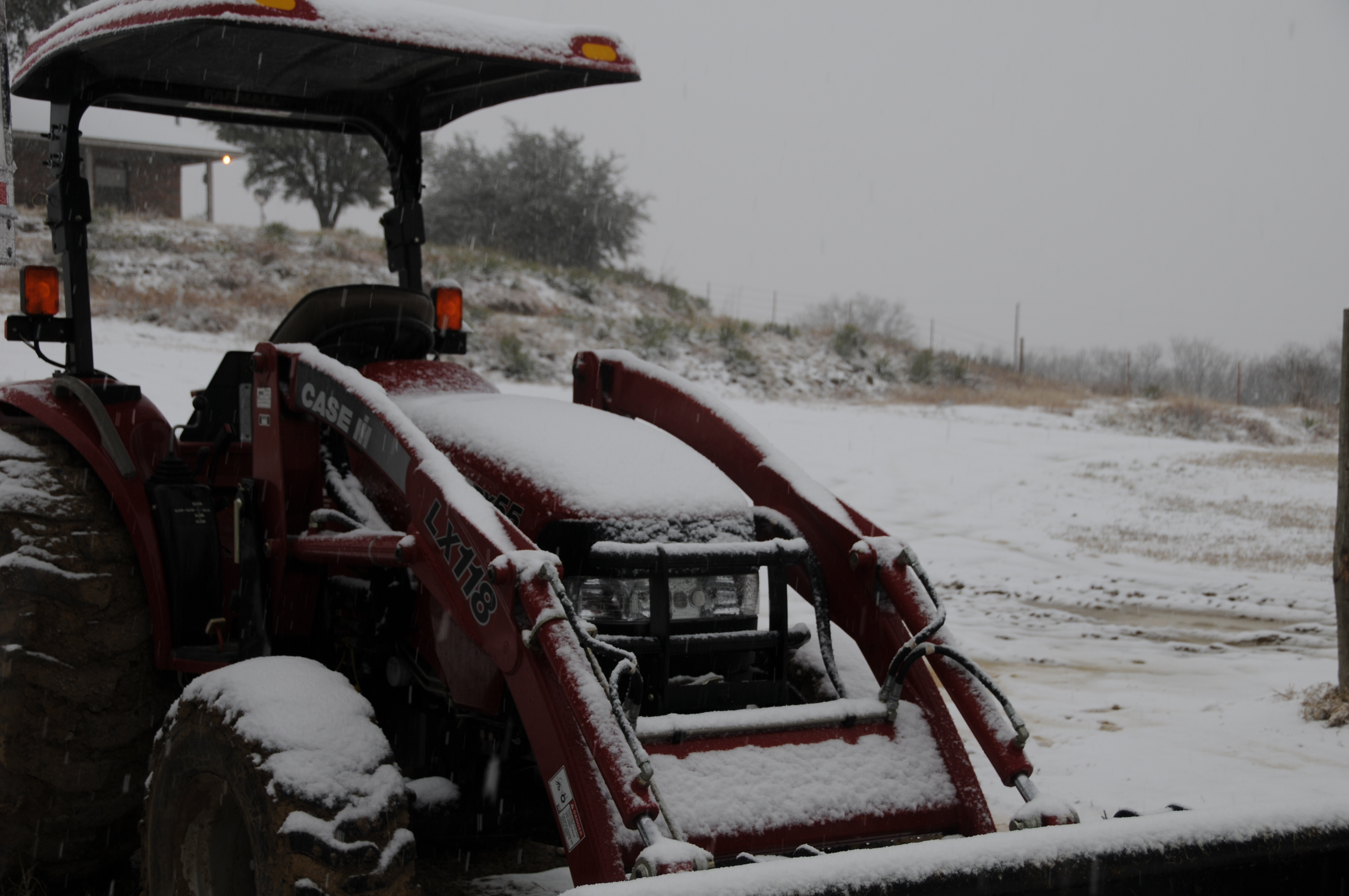
Winter Photographs at Flying Hat

Winter 2.11.2010, Poprock Pasture

Poprock Pasture and Arena In Winter

Yucca and Fence

Shiney and Star Playing Gotcha

Shiney Galloping to Corral

Remuda at Well House Corral

Mountain White-crown Sparrows Above Stables (Zonotrichia leucophrys oriantha)

Stable Alleyway with Panels

55 Horses by Case Farmall

Flying Hat Ranch House

Schools in Abilene and Fort Worth, Texas, were canceled this morning.  I went out to take some photographs of Flying Hat.  If you click the photographs, you get a full-size picture with detail.

9 Comments

Filed under Birds, Flying Hat Ranch, Horses, Lilly, Shiners Fannin Peppy (Fanny), Shiney (Shiners Fannin Pepto), Star, Sweet Hija

Quail in the Texas Panhandle

Bobwhitequail

Bobwhite Colinus virginianus, Photograph birdsofoklahoma.net

In the late 1970s, I began to train Brittany spaniels to point, hold, flush, and retrieve quail.  My Uncle Adolph Kampen of Amarillo kept a Brittany as a house dog and hunting companion, and I sought to have Brittanies, train them to the hunt, and find good homes for them.   My intention was to keep a brace of Brittanies as house companions.

I first obtained pigeons for the Brittanies to flush under blocks of hay that I scattered on the neighborhood school ground.  The pigeons would fly back to their cages when flushed.  It was only three blocks away.

I purchased  fifty quail chicks to use in the training of Brittanies.  I lived in the city and would eventually move out to the country.  Bobwhite quail were available by mail order, like chickens.   A quail chick is about the size of a large human thumb, quite small and yet, not fragile.  Roger Tory Peterson writes that the Bobwhite is  “a small, brown, chicken-like bird, near size of Meadowlark.  The male shows a conspicuous white throat and eye-stripe (in female, buffy).  Tail short, dark.”

[Peterson, Roger Tory.  A Field Guide to Western Birds. Boston:  Houghton Mifflin, 1969.  See pp. 86-91.]

The quail chicks arrived in boxes delivered by the postal service.  I divided the quail into three coveys and I placed chicks in large cardboard boxes  in a spare bedroom on _____ Street in Amarillo, Texas.   At night, the coveys would settle in and sleep, but during the daylight hours, they would feed, water, and utter quiet “peeps.”

Within a month, the chicks had outgrown their cardboard boxes in the bedroom and I placed them in quail pens in the backyard that I had constructed.   Quail pens have compartments that allow all quail to be released, but one or two quail are retained in the pen so that they will call the covey back together.  It is a remarkable display of covey unity that the quail will scatter, but when their penned-up covey mates call, the group will come back to the pen and enter the pen through a funnel trap.

One day as I parked the car into the garage, I heard the loud call of quail in my backyard and in the neighbor’s yard. There were quail calls all over the neighborhood.  The latch on the pen door had come undone and a covey of quail had scattered about the neighborhood, flying over fences, going into garages, scratching in backyards, and checking out new and wondrous things up and down the block.  Within the hour, my neighbors called and told me that they had quail in their garages or screen porches and would I come and retrieve them?

I rounded up every escapee quail, placed them in portable cages and reset the latch on the main pen more securely.  Without a doubt, the time had come to buy land outside of town and start training the Brittanies on the quail.  The quail needed the space.

South of Amarillo, on the highway to Palo Duro Canyon, I purchased ten acres of land, moved the quail, pigeons, and Brittanies to the pastures with kennels and pens, and borrowed my parents’ recreational trailer.

My life in the country began.

Leave a comment

Filed under Birds, Dogs, Recollections 1966-1990