Monthly Archives: May 2010

First Anniversary Prairie Sagebrush Awards, June 27, 2010

First Anniversary of Sage to Meadow Blog, June 27, 2010

On June 27, 2009, I began blogging.  My first blog was The 27th Heart.  Over a period of time, I changed the name of my blog to Sage to Meadow.  In order to celebrate and pay attention to a year of learning and relating to other bloggers, I am going to give a Prairie Sagebrush Award to each of my blogging friends for their best post.   Read the details below.

Prairie Sagebrush Award

The First Anniversary Prairie Sagebrush Awards, June 27, 2010, will be given to the finest post written by my blog friends, during the year, 2009-2010.  One post will be chosen from each blog and I will edit and publish them as a collection on June 27, 2010, on Sage to Meadow.   For each reader comment, Sage to Meadow Blog and Flying Hat Ranch will donate one dollar to a Wildlife Corridor in west Texas and New Mexico–see details below.  I will not designate a first, second or third place, but rather select the one finest post from each blogger.  How can I?  Each blogger has great posts and I’ll post the one I like the best–personal taste.

Why Choose the Prairie Sagebrush as Logo?

The Prairie Sagebrush is a native plant that is an important winter feed for Elk, Pronghorn and deer throughout the American West.  It is an edible herb and aromatic.  So many aspects of nature are associated with the American West and Southwest, but among the more prominent are sagebrush, antelope, deer, elk, buffalo, pines and the Rockies.  The sagebrush is imperiled–see my page on Sagebrush.

The Sensual Sagebrush

The Prairie Sagebrush and other varieties of sage provide one of the most sensual and pleasurable plants known to man: perfume, cooking and wildlife habitat.   The burning of sage in Native American ceremonies implores sanctification and purification as well as perfumed smoke about the room.  I used to burn sage in my fireplace and briefly close the flue to smoke-up the room.  I use sage in cooking, both chopped or whole leaves. Lewis and Clark reported that antelope would rub their foreheads on sagebrush for its perfumed scent.

I look forward to re-reading posts of 2009-2010, and putting together a collection for the Prairie Sagebrush Awards, June 27, 2010.  I’ve already started collecting and the blog posts are most outstanding!

Photographs of Prairie Sagebrush
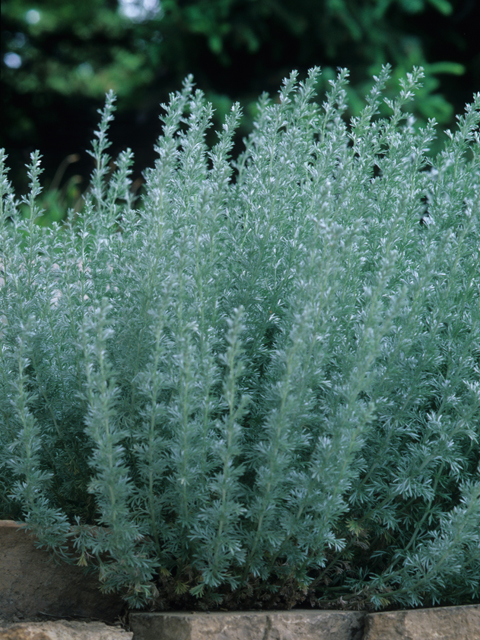
Prairie Sagebrush No. 1 (Artemisia frigida) by Sally and Andy Wasowski
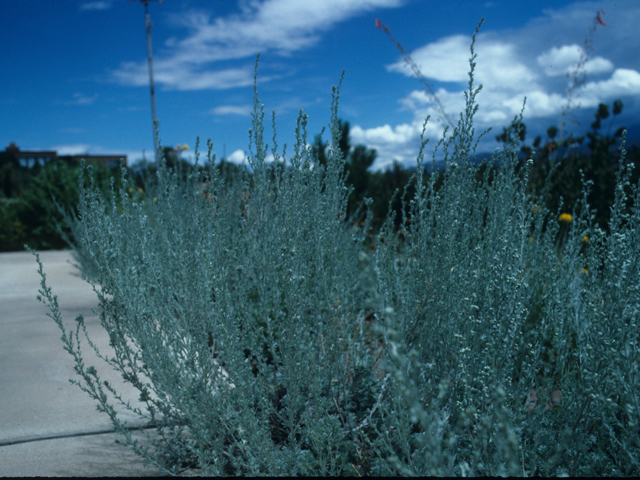
Prairie Sagebrush No. 2 by Sally and Andy Wasowski

Prairie Sagebrush No. 3 by Texas Agriculture Experiment Station

Wildlife Corridors

For every reader comment, Sage to Meadow Blog and Flying Hat Ranch will donate one dollar to Wildlife Corridor organizations in west Texas and New Mexico. (Limit is $500.00 and only one comment per reader counts.)  We need Wildlife Corridors so that migrations of beautiful animals may be seen by our grandchildren.

Leave a comment

Filed under Prairie Sagebrush Awards 2010

Backlog Unclogged: A List of Worthy Links About Nature

Here are some links to articles about various topics that I have in my backlog.  Some of these I want to write a post about, but since I think they are of value, I wanted to get the links out to you before I wrote.

40 bloggers who really count – Times Online.  The London Times selects forty bloggers worthy of note.  Divided into categories, i.e., green, nature, feminism, politics, etc.

Costa Rica Learn Jaguars Need a Smooth Commute – NYTimes.com.  Costa Rica habitat preservationists are working to provide migrating corridors for the jaguars.

Worldchanging: Bright Green: Koyaanisqatsi Revisited A reflection on the film and its lasting affect.

I have come across the Borror Laboratory of Bioacoustics, Ohio State University.

Here are the sounds of a Sandhill Crane and two chicks about the nest in Michigan.

Sandhill Crane on nest.

Enjoy the sound.  I will be getting authorization to use the sound database more fully in my blog.

From The Atlas of Global Conservation – The Washington Post.  This is a tremendous map resource for reference.

The Daily Scrapbook.  All things related to scrapbooking.  Illustrates old scrapbooks from early twentieth-century forward.  Lots of photos.

Getting Used to It – Cooks Illustrated.  Christopher Kimball writes an essay with each publication.  This is one of his best.

Is There an Ecological Unconscious? – NYTimes.com.

New Finding Puts Origins of Dogs in Middle East – NYTimes.com.

Divide and Diminish – Opinionator Blog – NYTimes.com.

2010 Report: Climate Change — Grasslands.

Climate Change Threatens Migratory Birds, Report Says – NYTimes.com.

The Sleeping Giant.  A Montana blogger.

Bioregional Animism.

MSU News Service – Management of cheatgrass on Conservation Reserve Program lands.

Condor Lays Egg in National Park – NYTimes.com.

A Deal to Save the Everglades Could Rescue U.S. Sugar Instead – NYTimes.com.

3 Comments

Filed under Life in Balance

Old Glory Dancing

San Angelo, Texas, Concho Valley Farmers Market (San Angelo Standard-Times, May 8, 2010)

“From truck tailgates, more than a half-dozen vendors will display an array of freshly picked vegetables, fruits, plants and flowers at the traditional farmers market at El Paseo de Santa Angela on South Oakes Street, across from Fort Concho National Historic Landmark in downtown San Angelo….The initial inventory will consist of greens, radishes, carrots, beets, pecans, honey, houseplants, asparagus, spinach, potatoes, onions and garlic. Homegrown tomatoes should be harvested around the first of June, squash should be ready in the coming weeks, and watermelons will be available for sale in time for the Fourth of July.   ‘All our farmers pick their gardens the day before, wash and ready the produce for next-day sale,’ she said. ‘It’s fresh, fresh, fresh because we pick it and we sell it.’   The market association’s bylaws prohibit outside vendors when locally grown vegetables are available. Most of the vendors are from Wall, Mereta, Fairview, Grape Creek, Knickerbocker and Christoval.”

By the count of the U.S. Department of Agriculture, there about 4,500 farmers markets in the U.S.   Eat fresher food, support your local farmers market.  Dallas, Texas, has a huge farmers market.  Fort Worth used to have a farmers market on Belknap Street, but I not so sure it is still there.

And, once you have prepared fresh vegetables with your grass-fed beef or buffalo, go to a dance.  The Old Glory civic hall is not open, but if it was, you might find your way to that fair place and say in the morning, “A good time was had by all!”

Old Glory, Texas, Senior Dance (Abilene Reporter-News, April 2, 2010)

“Seniors dance: A Senior Citizens Dance will be held from 7 to 10 p.m. Thursday at the Old Glory Community Center. Live music will be performed. Snacks will be served.”

Old Glory was settled in 1904, by German families, originally dubbed Brandenburg or Old Brandenburg, but with the outbreak of World War I, the name was changed to a more patriotic line: Old Glory.  The schoolhouse came to be the civic center when the population of Old Glory dropped to 125 in the 1990s (Handbook of Texas, “Old Glory, Texas”).

Dancing in the old schoolhouse, small community in west Texas, music live, not canned.  The blood flows with dancing and one can be young again.

Old Glory High School Civic Center (Photograph by Jack Williams)

Those that danced that weekend in Old Glory till soil and manage cattle, working in rural settings, close to nature and its infinite cycles of seasons.  This very same month (April), the Sage-grouse in Colorado stomps ground, and in Old Glory, men wheel their pardners, round and round in an old high school that they learned about Europe’s wars, their wars in the Twentieth Century that brought about the name change under which they danced that early spring evening.

Old Glory dancing.  Cupid drumming.

2 Comments

Filed under Life in Balance

Over the Hill

Over the Hill, February 2009

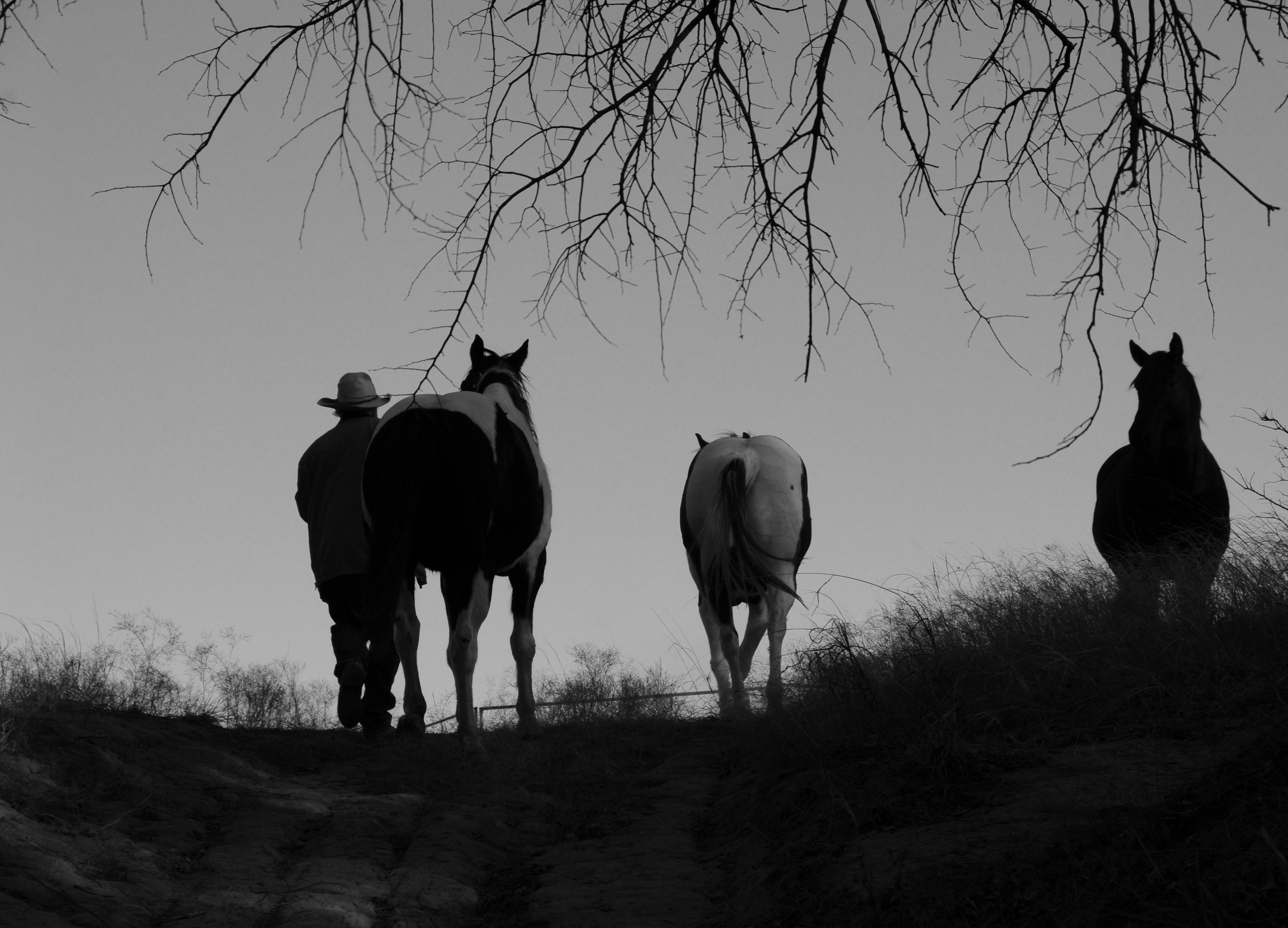
I am leading Star, Lilly and Sweet Hija over to the Pecan Tree Pasture.  They don’t really need my assistance to go over to the field, but on that day, the horses had not been there in several months and I wanted to walk with them.  The photograph was snapped in February 2009.  Hija was pregnant with Shiney and Fanny was behind Brenda who took the shot.  She stands in the creek bed and is looking up the road to the pasture.

The gate to the Pecan Tree Pasture was closed and I had to open it for them.

Their habit pattern is to go over to the far field and browse on grass most of the day, then near sundown that will come running at a gallop to get their grain in the stables.  Since this photograph was taken, I have kept Lilly close to the stable because of her age.  With Lilly back at the stables, they will not linger in the Pecan Tree Pasture all day long, but come back early to be with Lilly.

Brenda entitled this photograph, “Over the Hill.”

12 Comments

Filed under Horses

Field Log 5/10/2010 (Kiowa Good Luck, The Mariposa) [Corrected]

North Erath County, Texas, 32.43 lat., -98.36 long. Elev. 1,086 ft.  Turkey Creek Quad.

All photographs below may be enlarged with a click of the mouse for maximum detail.

Yesterday, I hiked into the grove.  Cool temperatures in the 60s F.  Light rain.  Saw several blooms of plants I have yet to identify.

This morning, drove to Pecan Tree Pasture to photograph blossoming plants for identification and cut mesquite.  Wind is high at 25 m.p.h. plus, sustained.  Red Flag warnings are posted on the MSN Weather link for counties west of us (Upper Concho River area) until 8:00 p.m.

Green-flowered Milkweed (Asclepias asperula), May 2010

Plant Identification

This is the Green-flowered Milkweed (Asclepias asperula).  I saw only two clumps in the pasture.  Several butterflies and bees are on the flower.  The Monarch caterpillar feasts on blossoms.  It is toxic to animals and probably humans.  The pollen may also cause a rash or itch.  The Butterfly-weed (not this type pictured) is also known as the Pleurisy-root, known for medicinal value.

I was not aware of its toxicity.

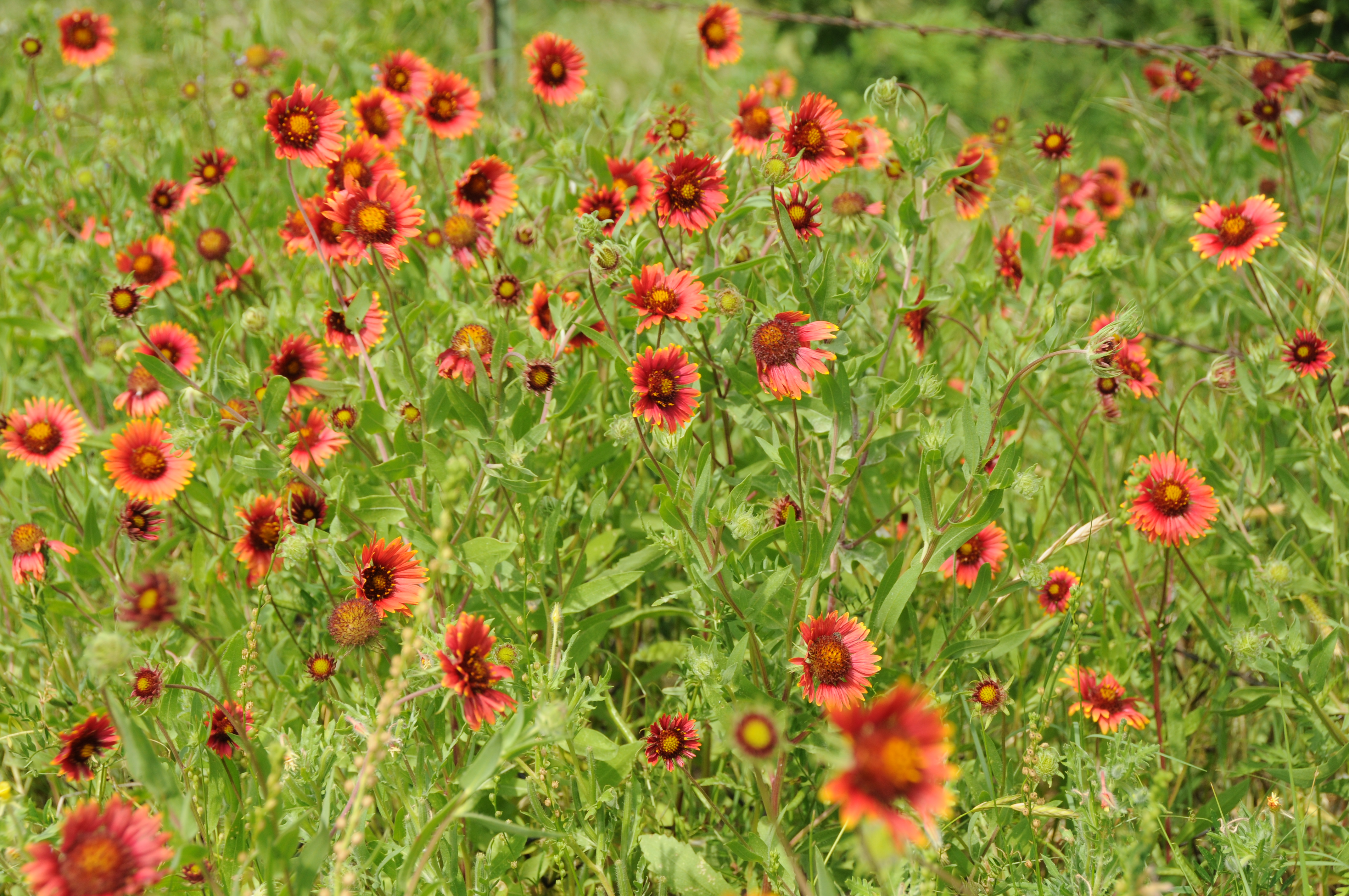
Indian Blanket (Gaillardia pulchella), May 2010

This is a stand of Indian Blanket (Gaillardia pulchella) next to the fence in the far pasture, the biggest stand of this species on the ranch.  Alongside State Highway 108, however, extensive Indian Blankets occur.  C. and L. Loughmiller, Texas Wildflowers, report that they have seen a forty-acre pasture completed covered in this one species.  Many years ago, I saw pastures in San Saba and Lampasas Counties covered in Indian Blanket.

Another name for Indian Blanket is Fire-Wheel.

It has medicinal qualities and the Kiowa considered its emergence good luck.  [See Lady Bird Johnson Wildflower Center notation, Indian Blanket.]

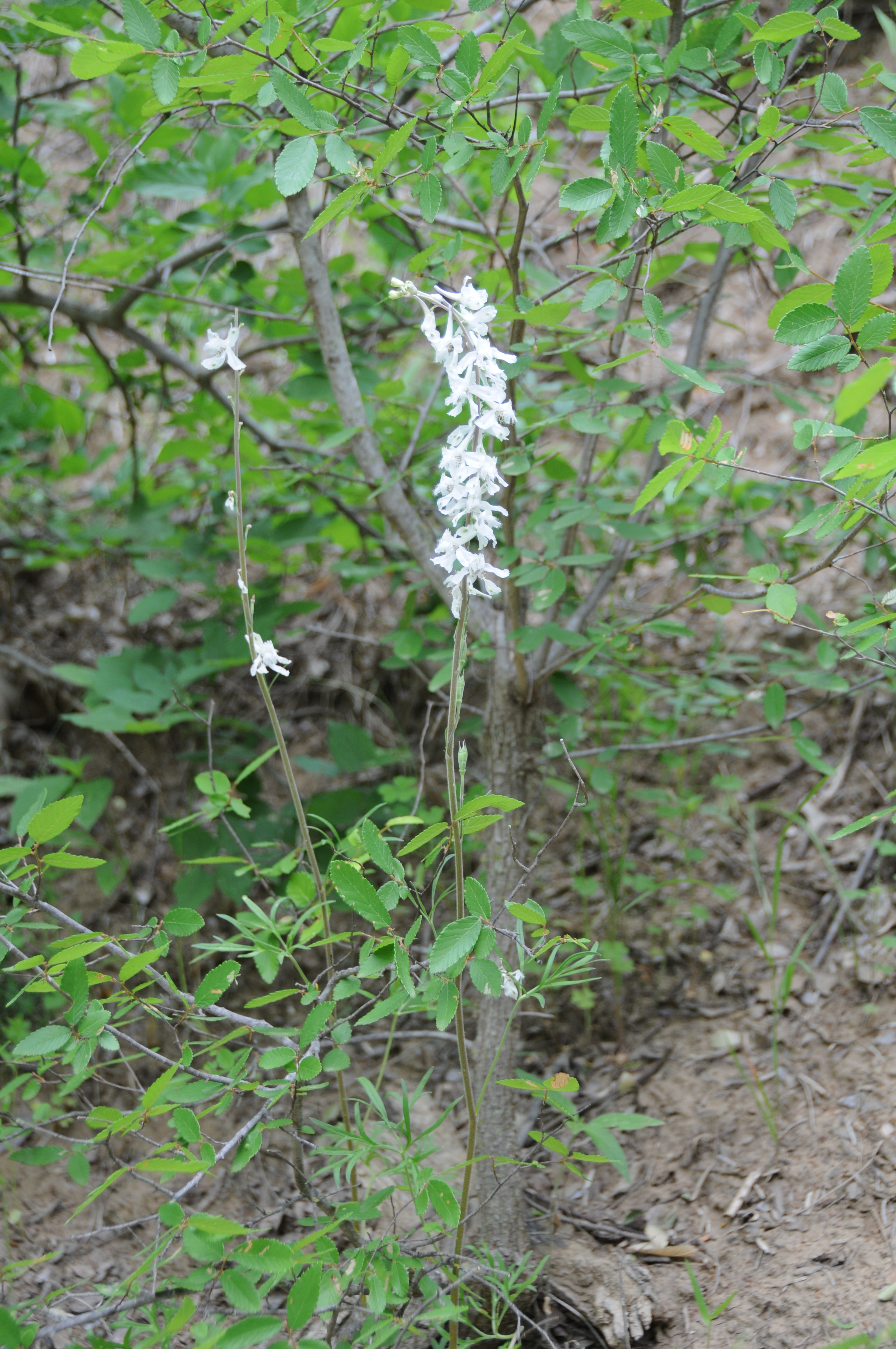
Prairie Larkspur (Delphinium virescens) Nutt., May 2010

This is the Prairie Larkspur (Delphinium virescens).  I found this along the banks of Salt Creek.  Again, this is a poisonous plant to animals and humans, although its seeds have medicinal properties.

In typing these plants and blossoms, I am finding more poisonous species than I imagined.  The horses leave the Larkspur and Milkweed alone, but I will be cautious during the fall when green grass is gone, as they might sample the plants.

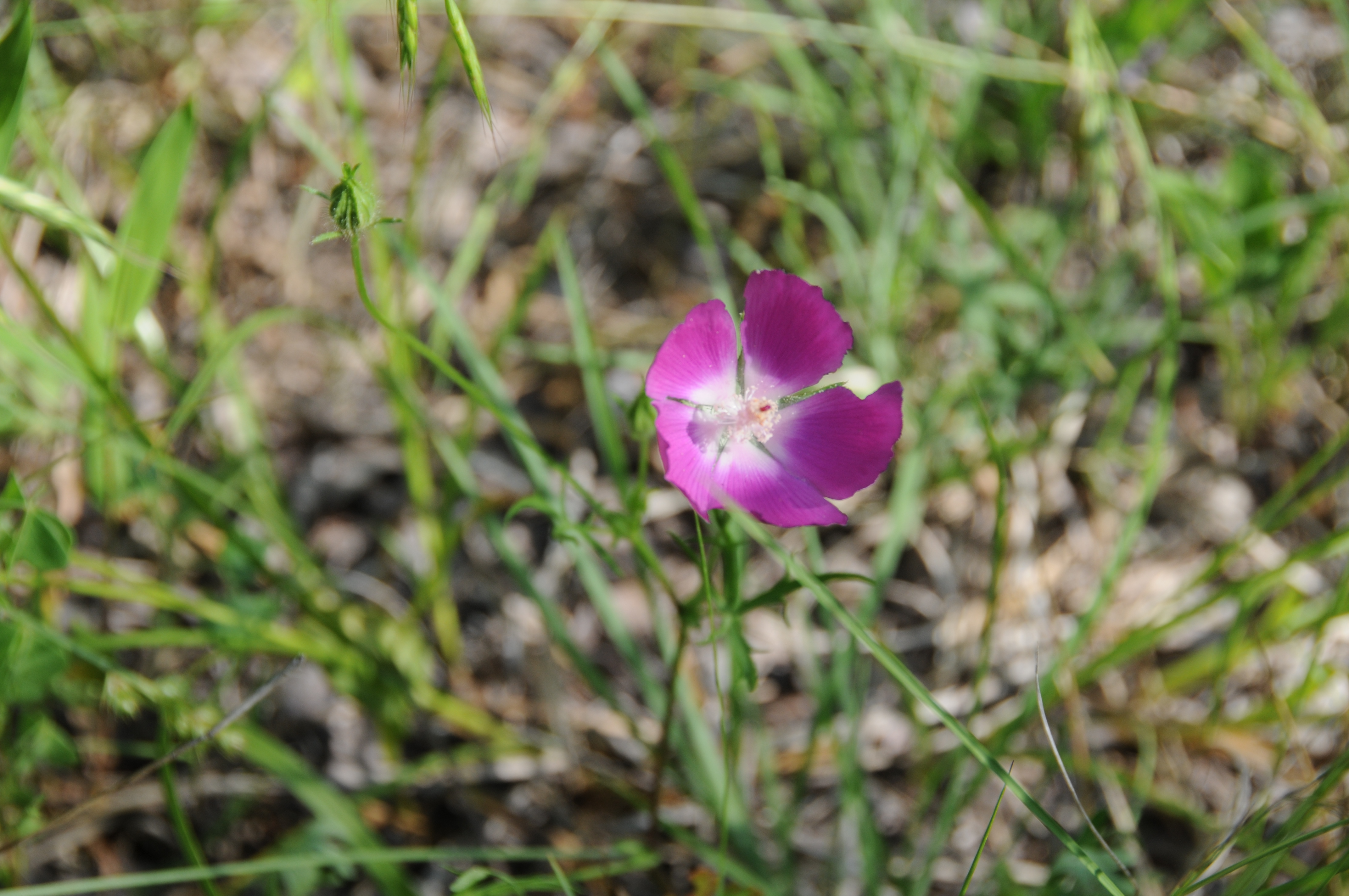
Wine Cup (Callirhoe digitata), May 2010, Photo 1

I am excited about this plant and blossom.  It is a delicate flower and there are only two stands of it on Flying Hat.  It is called Mariposa Lily or Sego Lily (Calochortus nuttallii).  One stand is along side the Pecan Tree Pasture road and the other is on the north side of The Grove.  I’m anxious to put out this photograph to show you, and I think I have it typed correctly, but later this evening when the wind calms down, I will go and verify.

The Mariposa Lily is considered among the most beautiful wildflowers in southwestern United States (Loughmiller, Texas Wildflowers). This Mariposa Lily on Flying Hat is probably the more common Mariposa, but a Desert Mariposa is quite rare in Texas.  Nonetheless, this flower is most delicate and I am excited we have two bunches of Mariposas.

Although I would be disappointed, if anyone can type this otherwise, please enter your rationale in the comment section.

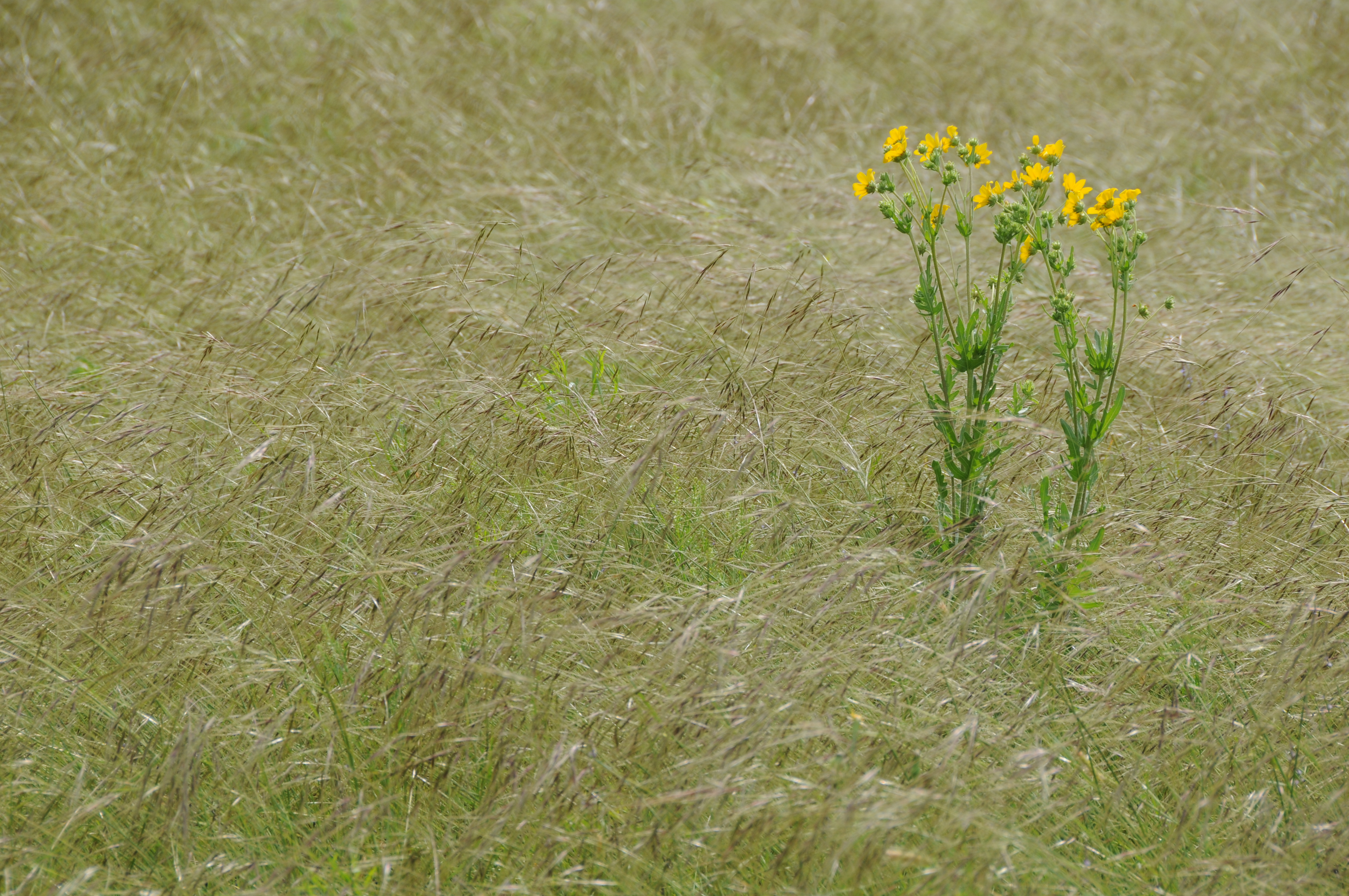
Texas Groundsel (Ragwort), May 2010

We have beaucoup amount of Texas Groundsel (Ragwort, Senecio ampullaceus) along our pasture roads.  The yellow blossoms are striking and until I changed the range strategy, I would shred these plants rather early in the spring.  This year, however, I have let them thrive.

Horses

Sweet Hija is still at Equine Sports Medicine & Surgery, waiting for the right time to be inseminated.

Shiney is still in Aubrey, learning manners from Jimmie Hardin.

Cut fifteen (15) mesquite bushes from pasture and fence row.

Note: Please check back later today for a verification of the Mariposa.

Correction to Identification

Correction to post, 5/10/2010, 5:38 p.m.  The winds died down some and I went back to The Grove to verify the plant and blossom.  It is not a Mariposa Lily.  It is a Wine Cup (Callirhoe digitata). When I investigated the Wine Cup in the field, I did not separate its petals to count them, but rather relied on the photograph exclusively when I got back to the house.  Brenda looked at it and had a question about the stamens and pistil form, but did concur with my first conclusion.

When I went back down to the grove a few minutes ago, I separated the petals to determine if there were three or five or however many.  Three petals would be the Mariposa.

Wine Cup (Poppy Mallow), May 2010, Photo 2

As you can clearly see in the Photo 2 of Wine Cup (Poppy Mallow), there are five petals.  I also carefully delineated the stem structure and it seems to be C. involucrata (Nutt.) [Wills and Irwin, Roadside Flowers of Texas, p. 153-154].

This plant also goes by Finger poppy-mallow, Poppy mallow, Standing winecup, Wine cup or Winecup.

15 Comments

Filed under Field Log, Plants and Shrubs

La Bajada Hill, New Mexico, Vintage Postcard

Karen Rivera’s blog, New Mexico Photography, has a keen post on the La Bajada Hill road between Albuquerque and Santa Fe.  She has a vintage postcard illustrating the switchbacks on La Bajada in the 1920s.  My father-in-law, Loy Taylor, was a United States Marshall and always kept beaucoup road maps in his car.  Postcards like Karen collects have a wealth of information about old roads, bridges and ways of passage that are now erased or a byway to modern roads.  I always like to see the old highways and the cafes and stores along the wayside.  The interstate highway system has given us speed from one point to another, but it has taken away a lot of local color.

See the link below for Karen’s postcard:

La Bajada Hill, New Mexico, Vintage Postcard.

3 Comments

Filed under Santa Fe

Fanny with Verbena

Fanny with Verbena, Spring 2010

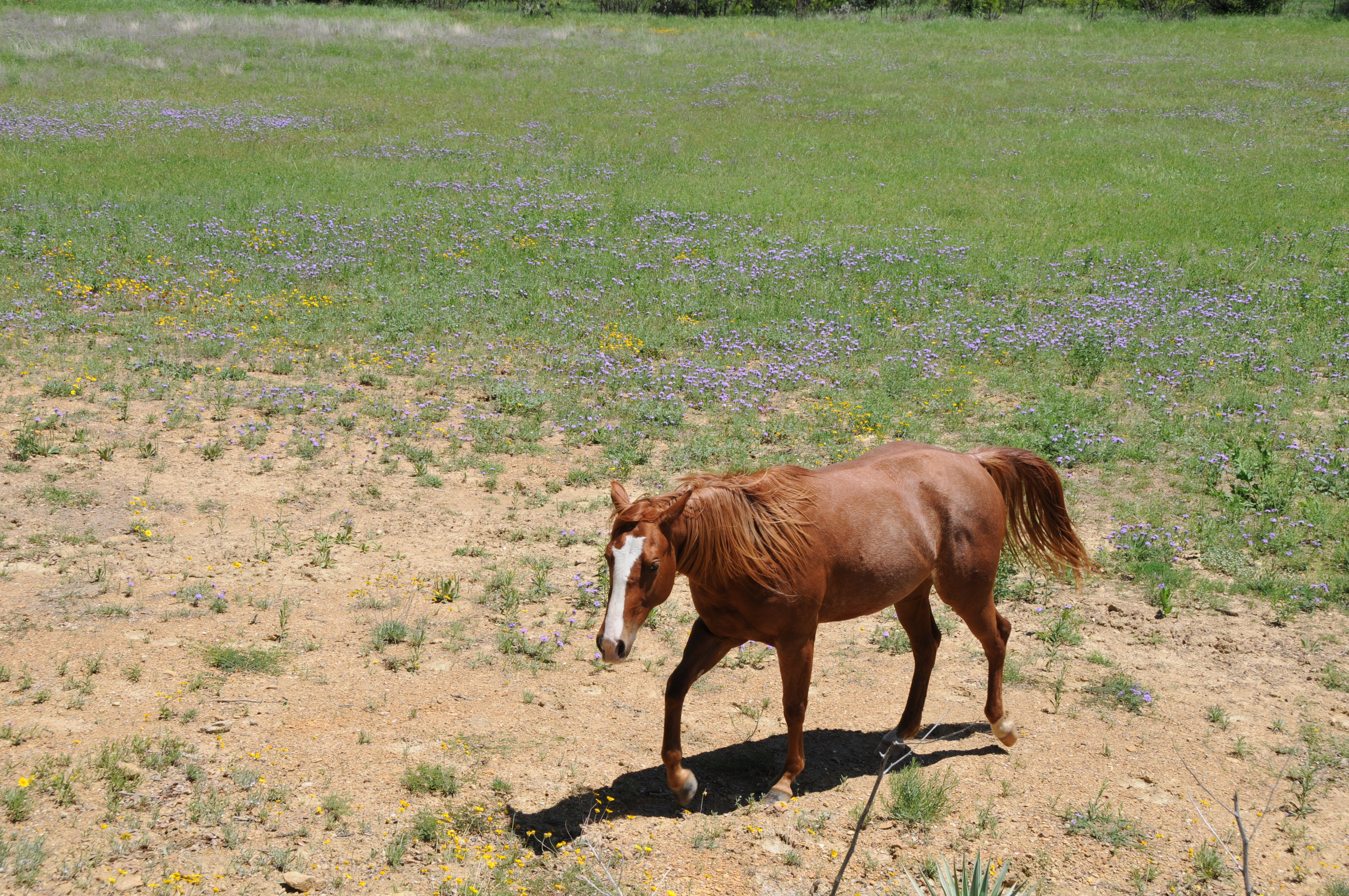
I thought you might like this photograph.  I do.  It doesn’t have all the right composition angles, but it’s a good snapshot.  But, ’tis not a Kodak moment any more, folks, is it?  Digital.

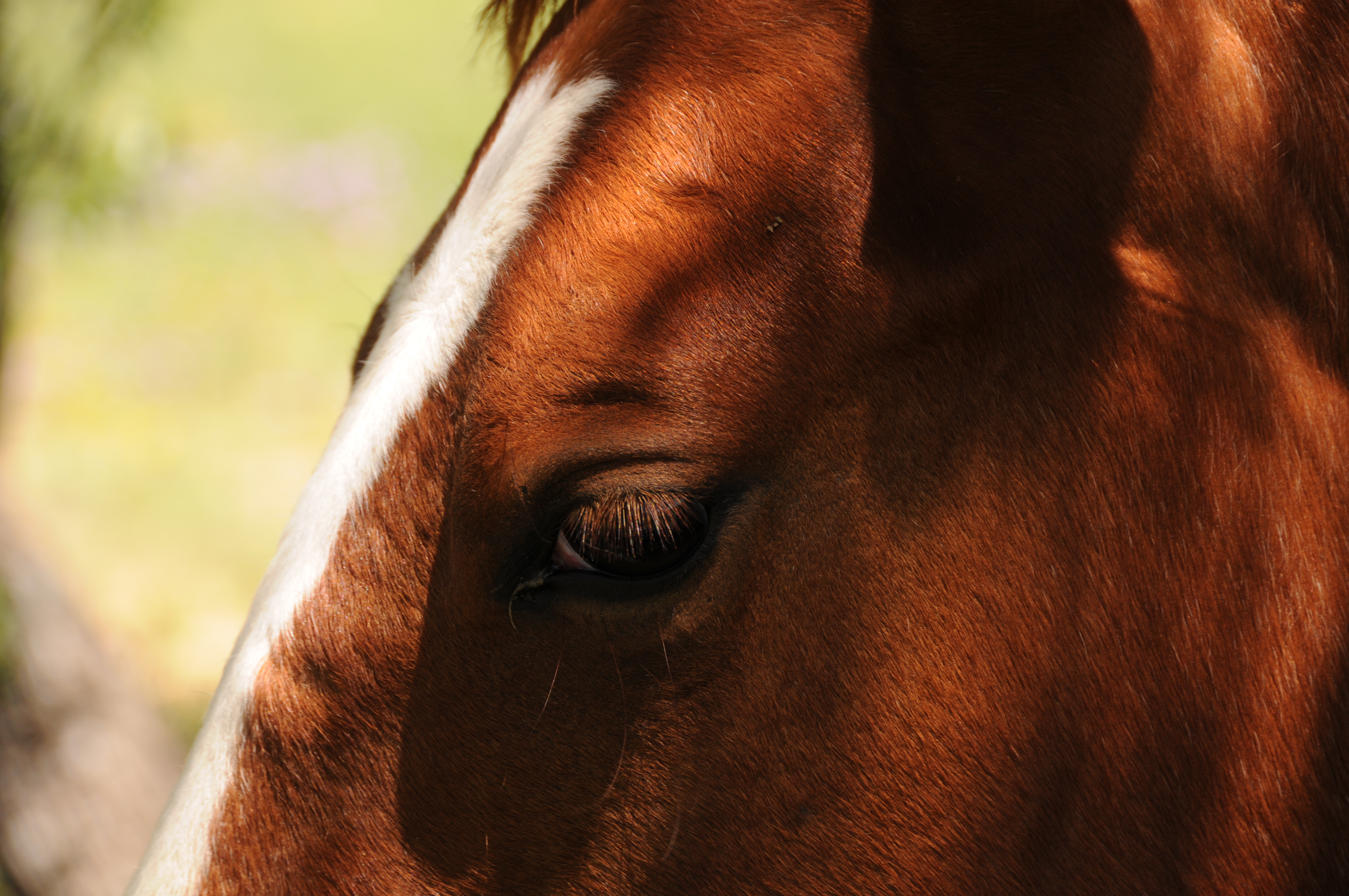
Anyway, it’s a picture of Shiners Fannin Peppy on a warm spring day a few weeks ago.  Fanny is coming up the pasture to where I am standing on Poprock Hill.  The sun is shining brightly, it’s probably near high noon as I recollect.  You can see that her coat is sleek and she is a good two-year old that has been trained well and tended–Duncan Steele-Park’s regime of education.

In the background, emerging and standing brilliantly, is a nice stand of purple verbena.  Verbena has been all over the place this spring–in pastures, corrals, stables, front yard, back yard.  There’s some yellow flowers also in the mix and some yucca blossom stalks about ready to burst.  It’s just a fine, sunny picture on a good day here on Flying Hat.

And, here she is up on the edge of Poprock Hill, being cute and pretty and all-horse.

Fanny with Live Oak, Spring 2010

Equus Fanny, Spring 2010

Equus. Long ago and faraway I read the play, Equus, and saw the movie with Sir Richard Burton as the psychiatrist.  Peter Shaffer wrote the play in 1973, based on a true story.  It’s not a pleasant story at all, and I won’t summarize it here, but the play and Burton’s acting inspired me to delve more into depth psychology and formative events in human development.  As a result, I became immersed in anthropology.  I was already in anthropology as a sub-field of my discipline, history, but I went way, way down into the discipline and eventually began to teach cultural and physical anthropology at a college in the Texas Panhandle.

There are many starting points for learning a field of knowledge.  Wherever you find that interest, follow it and exhaust your curiosity by reading late into the night, visiting museums and researching in libraries–wherever it takes you, go, go, go!  One of my starting points was Equus.

Did I say I liked horses?

Yes, I did say that, especially Fanny in verbena, on a sunny spring day.

16 Comments

Filed under Duncan Steele-Park, Horses, Shiners Fannin Peppy (Fanny)

Bat Disease Crosses Mississippi: Species Extinction in Hyperdrive

A mysterious disease ravaging bat populations in northeast United States may be spreading westward.  It’s a fungus called white-nose syndrome.  The Center for Biological Diversity has sent letters to state officials, urging them to close state-owned bat caves to prevent the spread.  Bats help control populations of insects.

Bat-to-bat and bat-to-cave transmission appear to be the more common means by which white-nose syndrome is spread, but scientists believe that the newly discovered fungus for which the disease is named can also be spread by people on contaminated caving gear, clothing, and other equipment [Press release, Center for Biological Diversity].

Bat houses are often placed near gardens and homes to give bats a place to hang out–seriously.  My good friends, Caralee Woods and Jimmy Henley, had a bat house near Eagle Mountain Lake in Fort Worth, Texas.

A rancher near Kerrville, Texas, had a bat cave constructed on his ranch and after several years, bats began to populate the cave.

New Mexico and the American Southwest have been alerted, writes the New York Times.

National Briefing – Southwest – New Mexico – Bat Disease Spreads – NYTimes.com.

Center for Biological Diversity Press Release on Bat Disease

4 Comments

Filed under Life Out of Balance

Field Log 5/7/2010 (Shiney’s Little Stud Moments)

North Erath County, Texas, 32.43 lat., -98.36 long. Elev. 1,086 ft.  Turkey Creek Quad.

Shiners Fannin Pepto (Shiney) Winter 2009-2010

Shiney at Jimmie Hardin’s

Talked with Jimmie Hardin in Aubrey about Shiners Fannin Pepto’s (Shiney) training for manners on the ground and around mares and people.  She said that “Shiney is doing really great, settling down, but he does have his little stud moments.”  What a world I thought, “Little stud moments.”  I asked Brenda, my wife, the female equivalent of “little stud moment,” and she said, maybe for women, “It’s a meltdown.”

The first time at Jimmie Hardin’s, when we put Shiney in a corral, he was between two mares and they teased him over the fence.  He was really an excited colt with two mares on either side of him.  The mares pranced in front of him and he ran around in a prancing gait, light on his feet, even though he probably didn’t know what was going on.  He became lathered up and I fretted he was over-doing his excitement, but Jimmie said he would settle down once we left with his travel buddy, Star, the paint from our place that we put in the trailer to help ease Shiney’s trip to Aubrey, north of Denton.  Star munched on his alfalfa while watching his little friend, Shiney.

In conclusion, he is doing just fine despite his little stud moments.

Called up to Triangle Sales in Shawnee, Oklahoma.  They will have handlers to help me show him through the ring.  And, knowing he is a stud, they will not put him between two mares in the stall area.

Pecan Tree Pasture Mesquite Trimming

Indian Blanket flowers are blooming over in Pecan Tree Pasture.

Went over to Pecan Tree Pasture to lob off mesquites that were growing in the field.  The grass is up to my chest in places and I can detect large animals–deer or wild boar–that have lain in the grass.

Yahoo Runs Amuck

While cutting mesquite, some yahoo drove through my gate, wanting to inquire about the trailer my neighbors have for sale.  The yahoo immediately drove off the pasture road and started coming toward me in his grey, F-250 pickup, trampling grass I wanted to let seed and grow higher.  I was a hundred-yards away and frantically waved him to stop.  What the dickens was this yahoo doing coming into a native grass field in his pickup?

I walked briskly over to where he had stopped after coming some fifty yards into the native grass field, scattering birds.  I had my pruning shears in my hand, but my pistol (.45 cal.) was in the pickup some seventy-yards away.  I did not know what to say, but this is what happened.

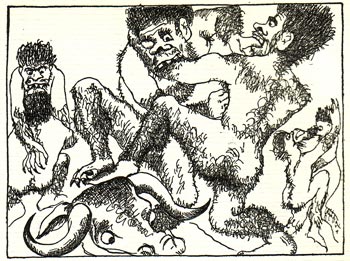
Yahoos Fighting by Dudley Fitts (Illustrator)

“Yew goin’ git chiggers,” he squawked, referring to the high grass I had come through to stop his onslaught into the field.  An entirely inappropriate opening of discourse after entering posted property (Texas and Southwestern Cattle Raisers Association blue sign).  Was there some chigger alert I had missed on the morning news from Stooperville’s Fox News?

Holding my anger, I said, “You don’t need to be rolling into my field crushing the grasses.  It’ll take two months for the grass to come back up.  The trailer belongs to those people,” I nodded in the direction of the Hall Place.

He looked at me, put the truck in reverse, made an abrupt turn around and sped off, then hit high speed next to my water tank and out the gate and on down the highway towards Stephenville.  I paced off how many feet he had knocked down by coming into grassland that was two to four feet high, native species I had planted six-years ago: a total of one-hundred and twenty-five feet of off-road grass crushing.  It’ll rise up again in a few months with the rains.

I’ll close the gate next time to avoid a confrontation.  I was born and reared in Texas, but I am seeing more arrogant and ill-mannered  people than ever before.  I know yahoos are all around us, but jeez!, wouldn’t you think they could all hang out at another cracker barrel in a county over?

The field log is rather caustic today.  Sorry.

8 Comments

Filed under Field Log, Shiney (Shiners Fannin Pepto)

Sage Dancing in New Mexico

A Break on Plaza of Santa Fe, Summer 2009

A break.  This young lady has been pedaling touristas about the plaza in Santa Fe.  Her sign campaigns the La Plazuela in the La Fonda Hotel.  She is resting in front of the Ore House and Ortega’s.

The spring has been front of us for the last few weeks over here in Texas, and now we are turning our attention to the Land of Enchantment, New Mexico, for the summer.  I know that snow has fallen in northern New Mexico this last week from the posts and tweets of Coffeeonthemesa, Taos Sunflower and Stark Raving Zen.  Hold fast!  Change is coming!  There exists in the near future a glorious, desert spring for you.  It’s very hard to replicate anywhere else in the world that ability to go out on the land and gently crush the leaves of sage, inhaling the pungent air it perfumes, spurring memories of ancient things, deep-thinking wellsprings of wisdom and rhythm beats of feet upon the ground–sage dancing.  Only in New Mexico.

The young lady in the photograph rests, barefoot on the Santa Fe plaza, content in her respite from toil.  Sage dancing, me thinks, be in her future.

6 Comments

Filed under Santa Fe